
Ranthambore National Park, one of the most renowned wildlife reserves in India, is a paradise for photographers. The park’s rich biodiversity, stunning landscapes, and the opportunity to capture majestic Bengal tigers in their natural habitat make it a top destination for wildlife photography. Staying at the Ranthambore Tiger Resort, widely considered the best resort in Ranthambore, provides the perfect base for your photography adventures. Whether you're a novice or an experienced photographer, these tips will help you make the most of your Ranthambhore tour package and come away with stunning wildlife shots.
Preparing for Your Photography Adventure
Before you head out on your wildlife photography adventure, it’s crucial to prepare adequately. Here are some essential tips:
Equipment Essentials
Camera and Lenses: Bring a DSLR or mirrorless camera with a range of lenses. A telephoto lens (200mm or longer) is essential for capturing distant wildlife.Tripod/Monopod: A tripod can be useful for stable shots, especially in low light. However, a monopod is often more practical for safaris.Extra Batteries and Memory Cards: Wildlife photography can be unpredictable, so ensure you have enough batteries and memory cards to capture every moment.Understanding Your Camera Settings
Manual Mode: Get comfortable using manual mode to have full control over your camera settings.ISO Settings: Adjust the ISO based on lighting conditions. A higher ISO is useful in low light but can introduce noise.Shutter Speed: Use a fast shutter speed to freeze the action, especially when photographing moving animals.Aperture: A wide aperture (low f-number) helps achieve a shallow depth of field, making your subject stand out.Best Times for Photography
The time of day can significantly affect your wildlife photography. Early mornings and late afternoons are the best times for capturing wildlife in Ranthambore.
Golden Hours: The soft, golden light during sunrise and sunset adds a magical quality to your photos.Animal Activity: Wildlife is more active during the cooler parts of the day, increasing your chances of capturing dynamic shots.Tips for Safari Photography
Jeep Safari in Ranthambore
Positioning: Sit in the front or middle seats of the jeep for the best views and stability.Stay Ready: Keep your camera ready with the appropriate settings, as wildlife can appear unexpectedly.Canter Safari in Ranthambore
Higher Viewpoint: Canter safaris offer a higher viewpoint, which can be advantageous for certain shots.Steady Hands: Use a monopod to help stabilize your camera on the canter.Composition and Framing
Effective composition and framing can transform a good photo into a great one.
Rule of Thirds: Use the rule of thirds to create balanced and interesting compositions. Place your subject off-center to create a more dynamic image.Leading Lines: Use natural lines like paths, rivers, or tree branches to lead the viewer’s eye to the main subject.Focus on Eyes: The eyes are the most expressive part of an animal. Ensure they are sharp and in focus to add life to your photos.Ethical Wildlife Photography
Respect for wildlife and the environment should always come first.
Keep Your Distance: Do not disturb or provoke animals for a shot. Use a telephoto lens to maintain a safe distance.Stay Quiet: Minimize noise to avoid startling the animals.Follow Guidelines: Adhere to the park’s guidelines and listen to your safari guide’s instructions.Unique Photography Opportunities
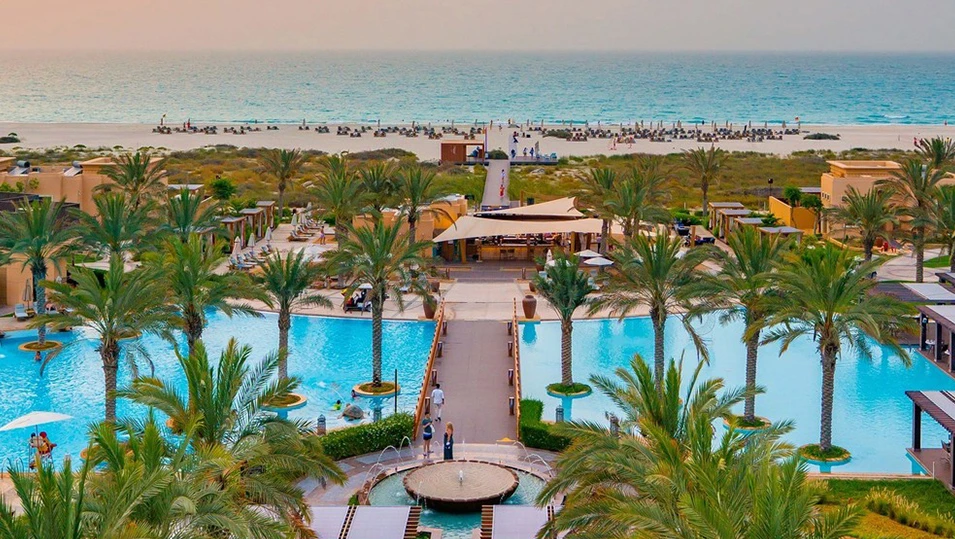
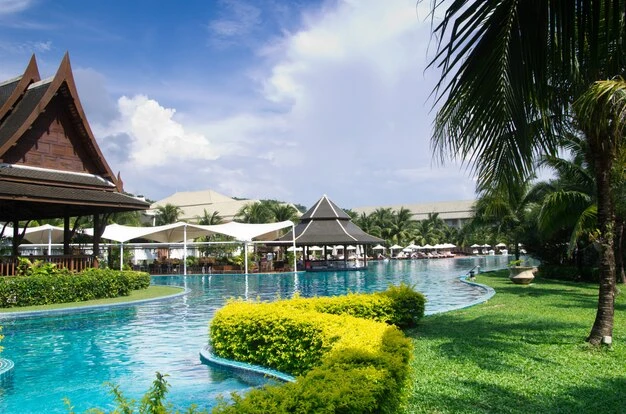
Tent Resort in Ranthambore
Nature Around the Resort: Staying at a tent resort in Ranthambore, like the Ranthambore Tiger Resort, offers unique opportunities to capture the natural beauty right from your doorstep. Early mornings and evenings around the resort can be perfect for photographing birds and smaller wildlife.Seasonal Changes
Monsoon Season: The park is lush and vibrant during the monsoon season, offering different photographic opportunities.Dry Season: Wildlife congregates around water bodies, making it easier to spot and photograph animals.Post-Processing Tips
Editing your photos can enhance their quality and bring out the best in your shots.
Basic Adjustments: Adjust exposure, contrast, and sharpness to improve your images.Color Correction: Correct white balance and enhance colors to make your photos more vibrant.Cropping: Crop your images to improve composition and focus on the main subject.Conclusion
Ranthambore National Park offers endless opportunities for capturing breathtaking wildlife photographs. With the right preparation, equipment, and techniques, you can make the most of your photography adventure. Staying at the Ranthambore Tiger Resort ensures you are well-positioned to explore and photograph the park’s stunning flora and fauna. Whether you're on a Jeep Safari in Ranthambore or a Canter Safari in Ranthambore, these tips will help you capture the beauty and excitement of this incredible destination.























Sign in to leave a comment.