

What Is Ehlers-Danlos Syndrome?
Ehlers-Danlos syndrome (EDS) refers to a group of 13 different connective-tissue disorders that involve a genetic mutation in collagen and connective-tissue production and structure. Connective tissues are those that comprise and support the skin, blood vessels, bones, and other organs.
What Are Complications of Ehlers-Danlos Syndrome?
Complications of Ehlers-Danlos syndrome include the following:
Increased risk for developing depression, attention-deficit/hyperactivity disorder (ADHD), autism spectrum disorders, and obsessive-compulsive disorder (OCD)Risk of bleeding during surgeryGetting cuts and bruises easilyPregnancy may be dangerous for some patients.
What Is the Life Expectancy of Someone With Ehlers-Danlos Syndrome?
Ehlers-Danlos syndrome typically progress slowly, and the prognosis depends upon the type of EDS and the severity of the condition.
Patients with the classical and hypermobility forms of Ehlers-Danlos syndrome have a normal life expectancy.
About 80% of patients with vascular Ehlers-Danlos syndrome will experience a major health event by age 40 and the life expectancy is shortened, with an average age of death of 48 years.
The lifespan of patients with the kyphoscoliosis type of EDS is decreased, due to the condition's effects on the vascular system and the potential for restrictive lung disease.
Understanding Ehlers-Danlos Syndrome
To get a good understanding of the symptoms of Ehlers-Danlos Syndrome, it is essential first to understand what causes it. EDS is a genetic condition, so if you have it, it’s not your fault or the result of anything you did! Your genetics affects everything in your body, including the production of collagen, a protein that offers structure and support to the body’s connective tissues. Depending on the specific type of EDS (there are multiple subtypes like hEDS), your body will exhibit different symptoms. For example, it can cause connective tissues to be weak, stretchy, or breakable.
The symptoms of Ehlers-Danlos Syndrome can affect several body parts. That’s the reason you can talk to a group of people with EDS, and one person will have stomach issues while someone else will have really bad joint pain.
Here are some of the most typical signs:
Joint Hypermobility: One of the most common symptoms of EDS is joint hypermobility, which means that your joints can move beyond what a “normal” range of motion would be in most people. This can trigger joint pain, instability, and dislocating parts of your body if you move in a certain way.
Skin Fragility: People with EDS might have weak or stretchy skin that can tear and scar easily.
Non-Stop Pain: Many individuals with EDS experience persistent pain, which can be triggered by joint instability and hypermobility that was mentioned above, muscle weakness, or nerve damage.
Fatigue: EDS can cause interruptions with sleep and make you feel tired all the time. This is one of those symptoms that many people experience for many other reasons. So just because you feel tired, it doesn’t mean you have EDS. It can just be a contributing factor.
Gastrointestinal Symptoms: Some individuals with EDS experience gastrointestinal symptoms that can cause upset stomach, bloating, constipation, or diarrhea. This is another very common symptom that many people without EDS have. You’re probably tired of hearing it, but diet and exercise play a big role in this one.
Cardiovascular Issues: EDS can impact the heart and capillaries, which can lead to symptoms such as palpitations, chest pain, or shortness of breath. Whether or not you have EDS, or if you’re having any symptoms that have to do with your heart, you should see your doctor or cardiologist immediately!
Vision Issues: Some types of EDS can affect the eyes, resulting in vision issues. This is a pretty rare symptom, even when it comes to people diagnosed with EDS.
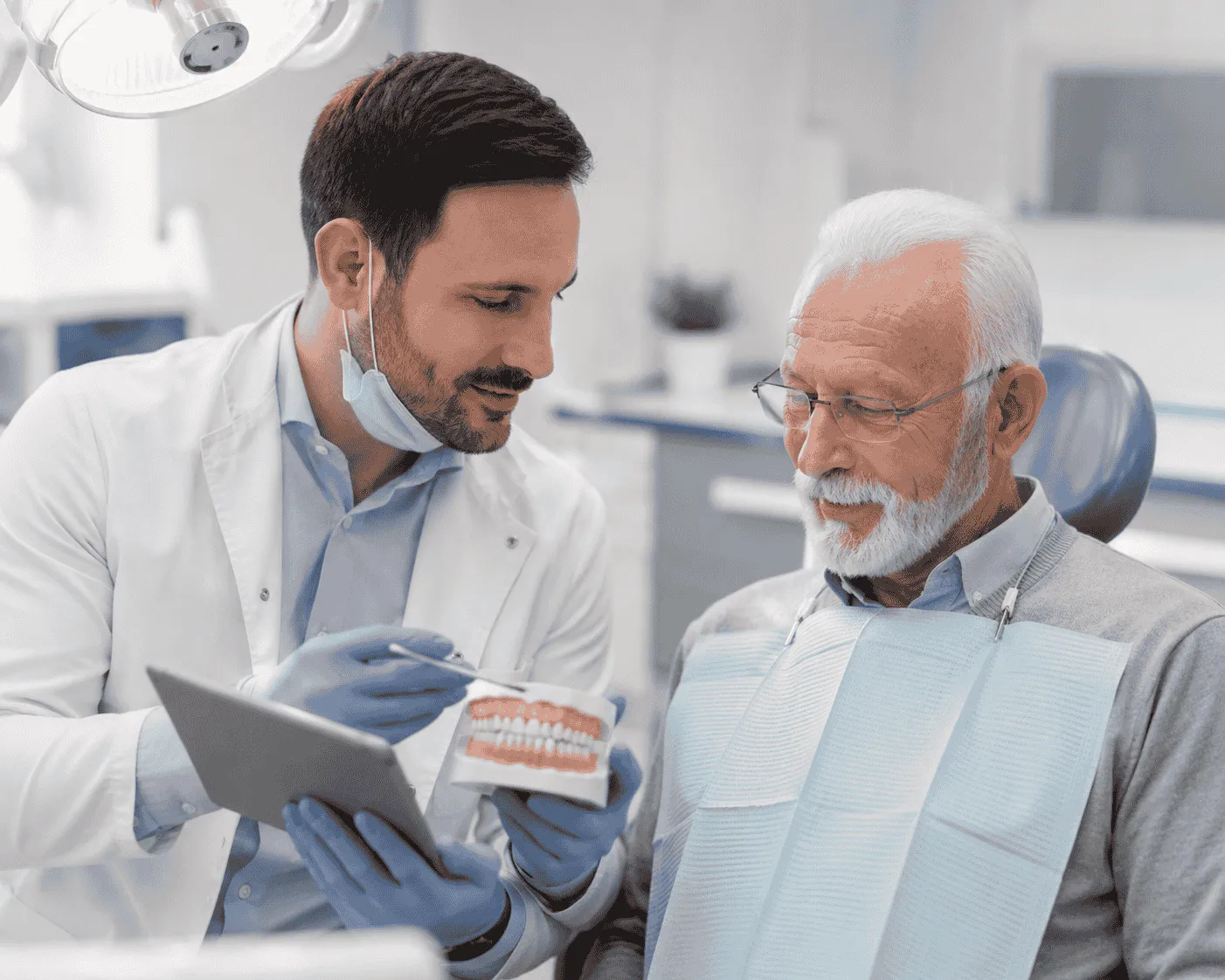
Oral Issues: EDS can affect the teeth and gums, causing things like puffy gums that bleed. It can also cause teeth to be smaller or have a funny shape.
These are some of the more common symptoms of EDS. But it bears repeating that symptoms can vary widely from person to person, and while you might have one or two symptoms from the list above, someone else may have something completely different.
As I said from the start, reading about the symptoms of a particular disease can take you down a dark rabbit hole. The best thing to do is to talk to your doctor about what you’re experiencing and confirm if you might have EDS. There are multiple tests that can be done to see how likely it is, and you can confirm a diagnosis by consulting a geneticist.
We see many patients that have some of the symptoms of EDS, like joint hypermobility and persistent pain, but haven’t received an “official EDS diagnosis.” We were able to get rid of the pain and work through many of the issues so that they could significantly reduce the pain and get back to living everyday lives again. If you’re from the New York area, click here for a free consultation!
Handling the Symptoms of Ehlers-Danlos Syndrome
OK – so you have some of the symptoms of EDS, and maybe even an indication that you have EDS from your doctor. What can you do about it? Although there is no cure for Ehlers-Danlos Syndrome, there are numerous treatments and things you can do to live an amazing life!



























Sign in to leave a comment.