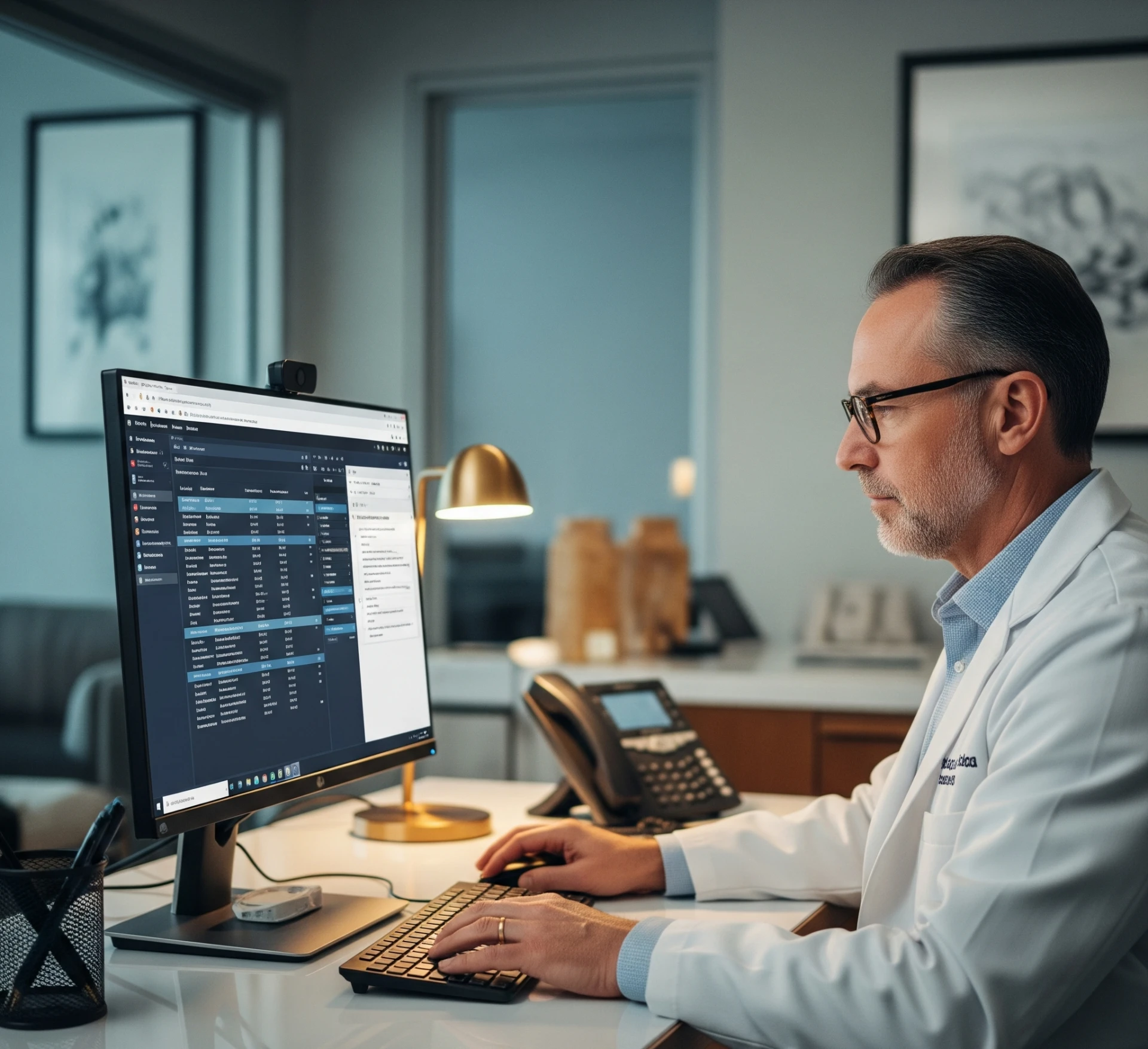
Running a clinical trial is a big job and one of the most important pieces of the puzzle is the Principal Investigator, or PI. When the PI is fully engaged in the study it can make all the difference in how well the trial goes. From start to finish their involvement affects everything from how quickly participants are recruited to how accurate the data turns out to be. Anyone who’s taken a clinical research course knows this right from the start a study is only as strong as its leadership.
You might think the PIs role is mostly paperwork or signing off on things, but it is much more hands-on than that. A PI who stays close to what is happening checks in with the team, joins patient visits answers questions usually helps the study run smoother. They spot small issues before they become big problems and make sure everyone stays focused on what matters.
One area where PI involvement really shows is in patient recruitment. This can be one of the toughest parts of a clinical trial. When the PI helps out maybe by talking to patients directly or giving input on how to spread the word the numbers usually improve. Patients also tend to feel more at ease when they know the lead doctor is involved and paying attention.
It’s not just about patients though. A good PI helps the whole team stay on track. They check in during meetings, make sure tasks are assigned clearly and offer help when things get off balance. During clinical research training people learn how vital these habits are. Without them things fall through the cracks. A team that does not hear from their PI regularly can end up feeling unsupported and confused which can lead to mistakes.
Another big part of the PIs job is making sure the study sticks to the rules that means following the protocol, keeping accurate records and handling the study drug the right way. If the PI is checked out or too busy with other work it is easy for mistakes to happen. On the other hand, when the PI stays involved, issues get flagged early and the whole site runs better.
Let’s not forget communication. A PI who picks up the phone, answers emails quickly and keeps sponsors in the loop helps keep the study moving. Delays are often caused by slow responses or missed updates. Sponsors remember when they work with an engaged PI and they are more likely to bring future studies to that site.
PI engagement also boosts the teams morale. It is a simple thing: when your leader shows up cares about the work and checks in now and then you feel more motivated. Staff are more likely to go the extra mile when they know someones noticing their efforts. It creates a healthier more productive work environment.
Good PIs also stay up to date. That does not mean attending every conference but they do take time to read about new research, ask questions at meetings and understand changes in regulations. This helps them make better decisions and guide the team with confidence. Plus if something unexpected comes up like a protocol change or a serious adverse event they are better prepared to handle it.
Patients too notice when a PI is involved. When the PI makes time to talk to them explain the study or even just say hello it makes the experience feel more personal. That small connection can mean a lot especially for someone who is going through a tough medical situation. It builds trust and helps the patient feel like more than just a subject in a study.
Planning ahead is another sign of a strong PI. They make sure each part of the trial is covered that the right people are trained tasks are assigned properly and documents are reviewed. When problems come up they are ready to step in and help. They do not wait until an audit is announced to get things in order they stay prepared all the time.
Documentation is one of those behind-the-scenes parts of the job but it is so important. A good PI does not just skim over the paperwork. They look it over carefully, ask questions and make sure everything lines up. They understand that every signature, every form and every report tells part of the story and that story has to be clear and honest.
Even when a study ends a thoughtful PI takes time to reflect. They sit down with the team, talk through what worked, what did not and how things could be done better next time. This kind of reflection is not just good for the next study it helps the whole site grow and improve over time.
If someone wants to work with great PIs or even become one someday choosing the right clinical research institute makes a big difference. A solid institute does not just teach the basics. It shows what real-world success looks like and that includes how a strong PI leads a team and keeps a study on course.
To wrap it up the PI plays a bigger role than people sometimes realize. Their energy their attitude and their attention to detail set the tone for the whole trial. A PI who is truly involved from recruitment to reporting makes the entire process smoother and more successful. It is not about being perfect or doing everything alone. It is about showing up, asking questions, supporting the team and staying committed from start to finish.


























Sign in to leave a comment.