
A hairdressing course should do more than teach cuts, colour, and styling. It should prepare you to work safely, communicate clearly, and make sound decisions when a real client sits in your chair.
People exploring professional courses for hairdressing in Ottawa should therefore look beyond the qualification itself. The real goal is to finish training with the skills, professional habits, and confidence needed in a working salon.
A Diploma Matters, but Capability Builds a Career
A diploma confirms that a student has completed a course. Salon readiness shows whether that knowledge can be applied during a real appointment.
A stylist must understand the client’s request, assess the hair, plan the service, select suitable products, manage time, maintain hygiene, and communicate throughout the visit.
Strong hairstyling diploma in Ottawa connect these responsibilities. Cutting, colouring, consultation, sanitation, and client care should work together rather than feel like unrelated subjects.
What Does Salon-Ready Training Develop?
Technical Skill With Professional Judgement
Clients do not arrive with the same hair type, condition, history, or desired result used in a demonstration.
Students need to assess texture, density, growth patterns, scalp condition, previous chemical services, and realistic outcomes. They should also learn when a requested service is suitable and when the plan needs to change.
Knowing the steps is useful. Knowing when to adjust them is what makes the skill professional.
Confidence With Real Clients
Mannequins help students practise hand position, sectioning, control, and repetition. They cannot ask questions, feel uncertain, change their mind, or explain what they want.
Real-client practice teaches students to:
- Ask useful consultation questions
- Confirm the intended result
- Explain realistic limitations
- Check client comfort
- Manage service time
- Recommend practical aftercare
This is where separate techniques begin to form a complete salon service.
Professional Habits That Protect the Client
Clean Tools and an Organised Workstation
Students should learn how to disinfect tools, prepare the work area, organise products, and use equipment correctly. A clean workstation supports client safety and smoother service delivery.
Proper Client Protection
Training should cover draping, skin protection, product handling, and safe application. Students must know how to protect the client’s clothing, skin, scalp, and comfort.
Knowing When to Adjust a Service
A stylist should recognise when a service needs to be changed, delayed, or stopped. Hair condition, scalp sensitivity, previous treatments, and unexpected reactions can all affect the original plan.
Why the Training Environment Matters
Learning the Flow of a Real Salon
A salon-style setting introduces client preparation, product organisation, service timing, cleaning routines, and professional communication.
These details help students understand how a full salon service operates, not just how one technique is performed.
Receiving Corrections While Practising
Instructor feedback helps students improve sectioning, tension, posture, timing, product application, and finishing. Small errors are easier to correct during training than after they become habits.
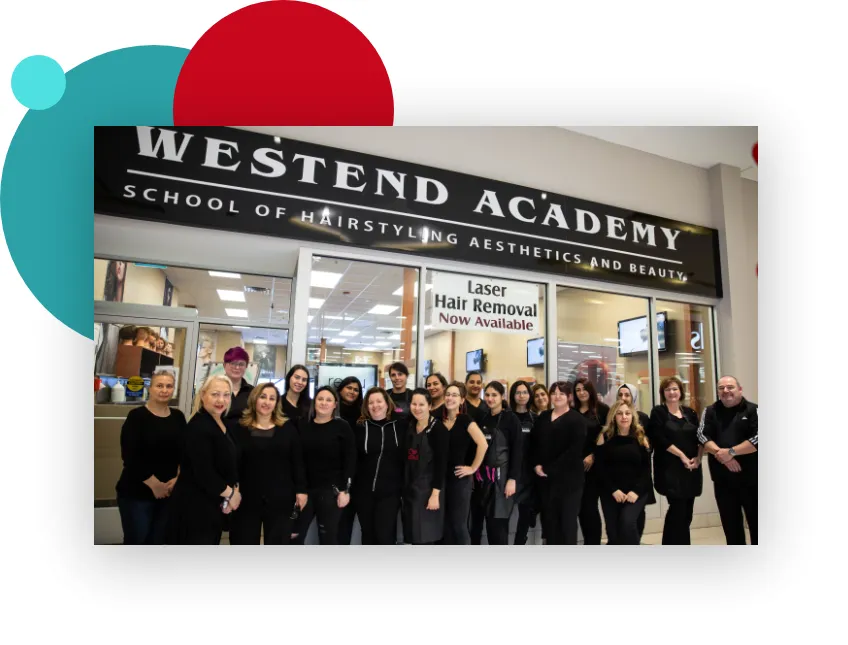
Westend Academy Ottawa and Beauty Academy in London uses salon and spa facilities to support practical instruction and real-client experience.
Real Practice Connects Every Part of the Service
From Consultation to Final Result
The best hairdressing diploma in Ottawa allows students to combine consultation, technical work, sanitation, client care, and finishing within one appointment.
Students should learn to greet the client, understand the request, assess the hair, plan the service, complete the work, and review the result.
Different Clients Require Different Decisions
Every client brings a different texture, hair history, routine, and expectation. Real practice teaches students to adapt instead of relying on one familiar method.
Repetition Builds Consistency
Completing full services repeatedly improves timing, control, communication, and attention to detail. Over time, separate skills begin to work together as one professional service.
Salon Readiness Is Built Through Practice
Useful hairdressing diploma course in Ottawa should move students from demonstrations to guided practice and supervised client work.
Confidence develops through performing services, receiving feedback, correcting mistakes, and repeating the process until the work becomes consistent.
A hairdressing career starts with technical education, but professional readiness grows through judgement, responsibility, communication, and real experience behind the chair.
FAQs
What does salon-ready mean?
It means combining technical ability with consultation, hygiene, service planning, time management, and professional client care.
Are mannequins enough for hairdressing training?
No. They help with technique, but real-client work develops communication, adaptability, and confidence.
What should beginner training cover?
It should include hair assessment, cutting, styling, colouring, sanitation, consultation, tools, products, and professional conduct.
Why is instructor feedback important?
It helps students correct technical and professional mistakes before they become lasting habits.
Is a diploma broader than a short certificate?
Usually, yes. A diploma covers wider career preparation, while a short certificate often focuses on one service or technique. A diploma course accelerates the path to being a licensed hairstylist.






























Sign in to leave a comment.