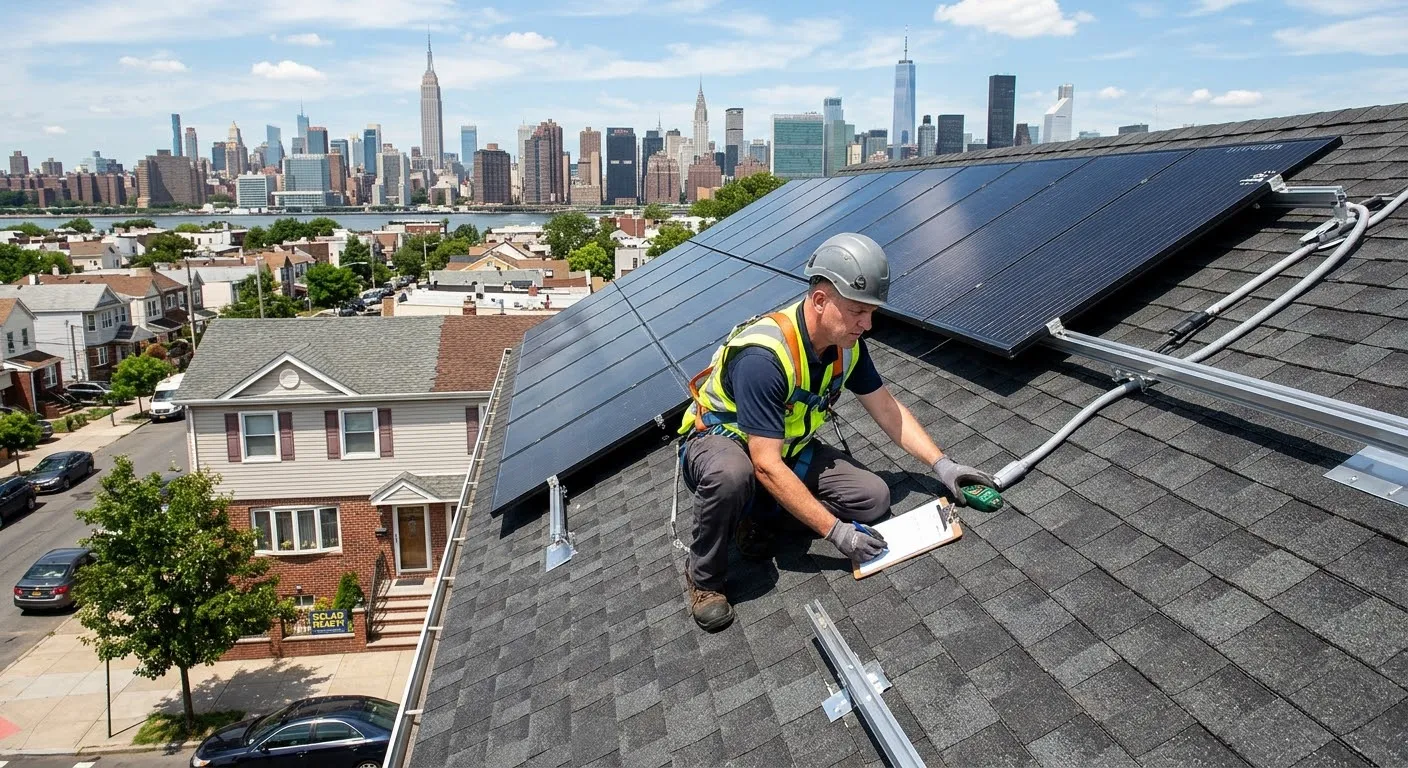

Solar panels have become an increasingly popular upgrade for homeowners looking to reduce electricity costs and improve energy efficiency. While most people spend time comparing solar equipment, financing options, and energy savings, one important factor is often overlooked—the condition of the roof.
A solar energy system is designed to last for decades, and the roof beneath it should be able to provide the same level of reliability. Installing panels on an aging or damaged roof can lead to unnecessary expenses if repairs or replacement become necessary after the system is in place. Careful planning before installation helps homeowners protect both their roof and their investment.
A Strong Roof Is the Foundation of Every Solar System
Solar panels are mounted directly onto the roof, making the roofing system an essential part of the installation. If the roof has deteriorating materials, hidden leaks, or structural concerns, those problems should be addressed before any solar equipment is installed.
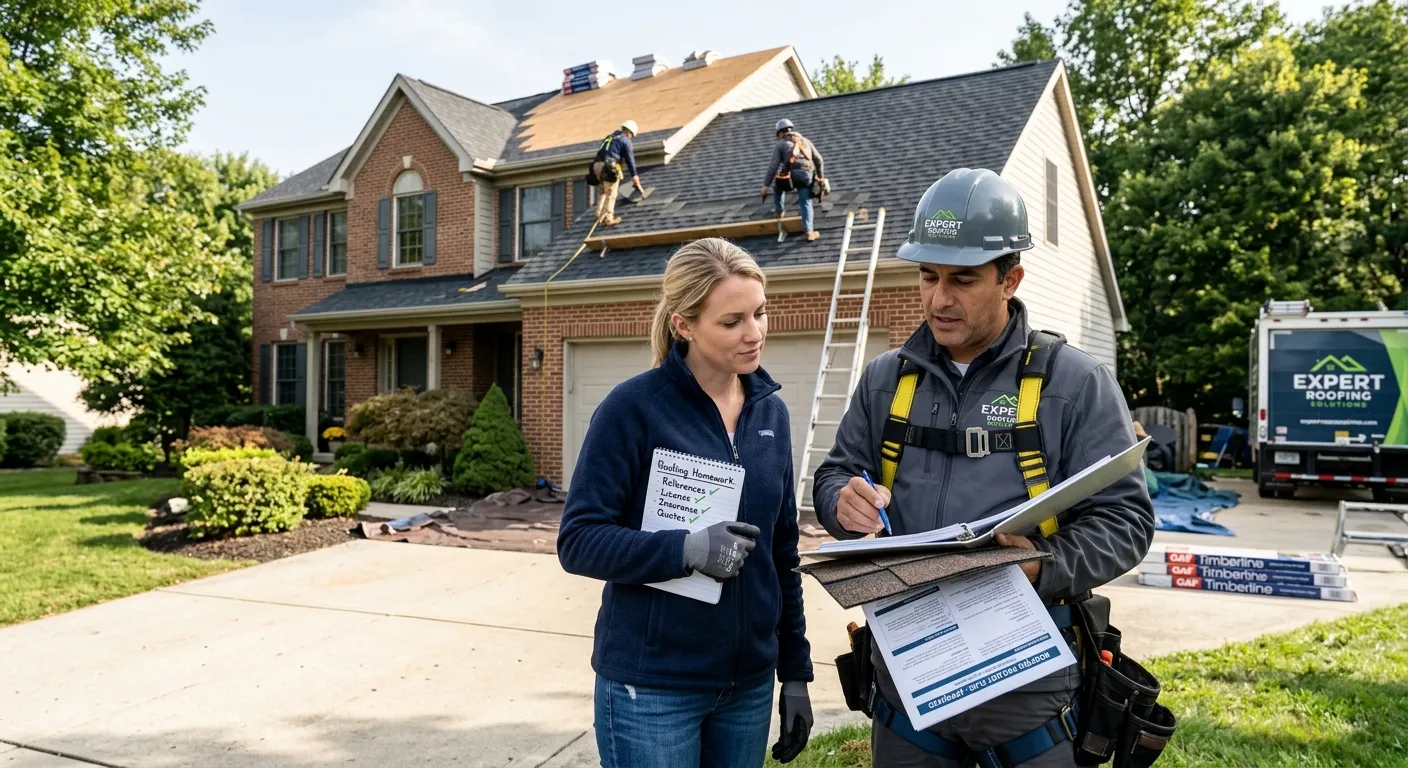
A professional roof inspection can identify issues such as damaged flashing, worn shingles, weakened decking, or drainage problems that might not be visible from the ground. Fixing these concerns first helps avoid the cost of removing and reinstalling solar panels later.
Roof Age Plays a Major Role
One of the first things roofing professionals evaluate is the remaining lifespan of the roof.
Since solar panels commonly remain in service for 25 to 30 years, installing them on a roof that may need replacement in the next few years often creates unnecessary costs. Coordinating roof replacement and solar installation as one project can save both time and money while reducing future disruption.
Different Roofing Systems Need Different Approaches
Every roof requires a customized installation strategy based on its design and materials.
Flat Roofs
Flat roofs are common throughout New York City and are often well suited for solar panels because mounting systems can be adjusted to achieve the ideal angle for sunlight.
However, drainage remains extremely important. Roofing membranes should be in good condition before installation, and panel placement should never interfere with water flow or future maintenance access.
Asphalt Shingle Roofs
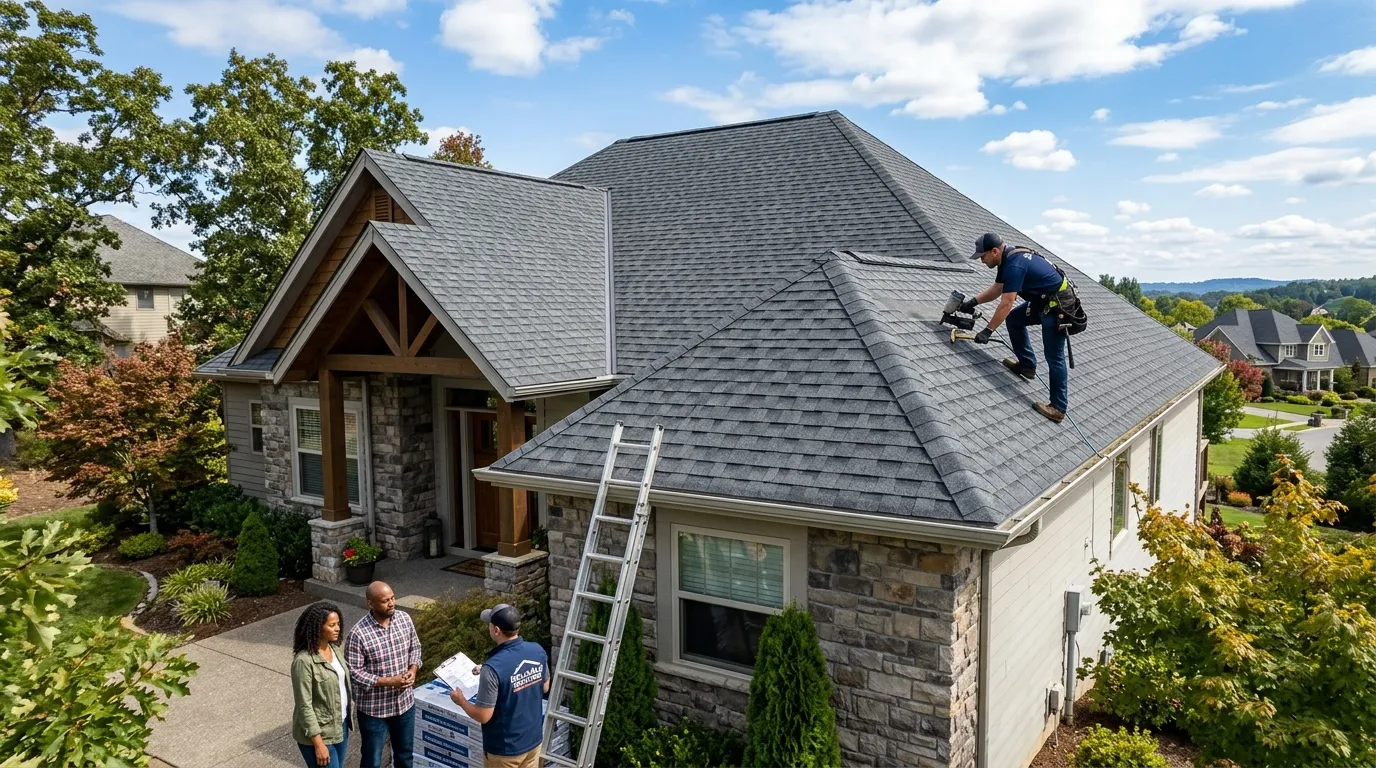
Asphalt shingles continue to be one of the most common residential roofing materials.
If the shingles remain in good condition with many years of expected service life, they can provide a suitable foundation for solar panels. If significant wear is already present, replacing the roof before installation is often the better long-term investment.
Metal Roofing
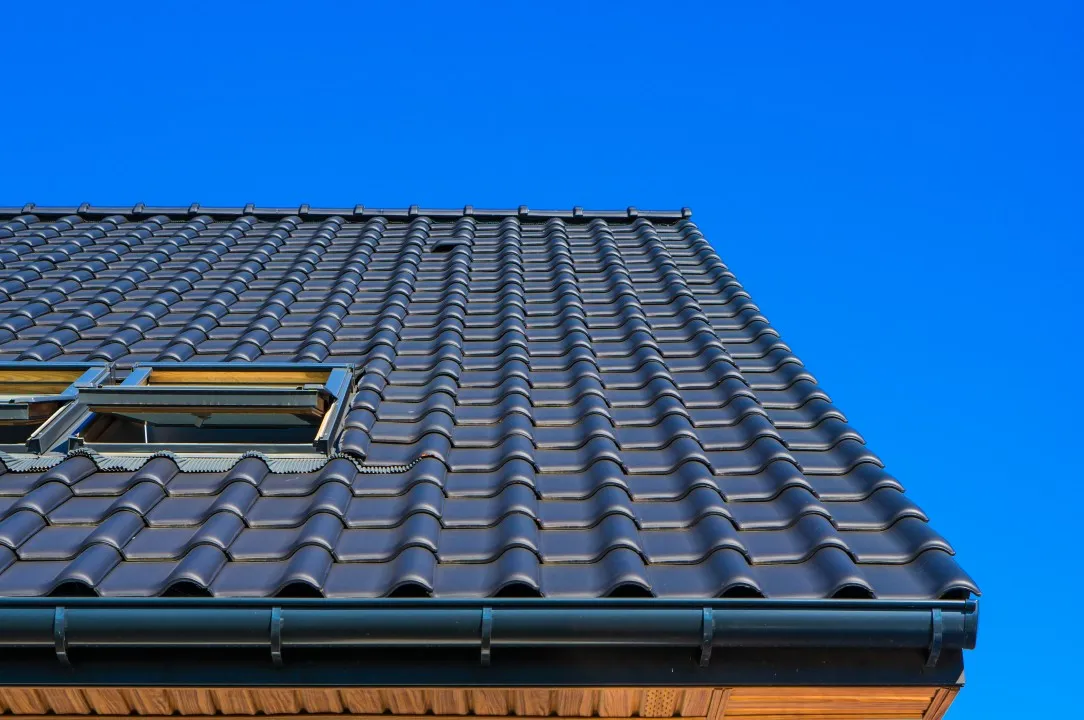
Metal roofing systems are also highly compatible with solar installations. Many standing-seam metal roofs allow mounting systems to be attached with minimal roof penetrations, helping reduce the risk of future leaks when installed correctly.
Roof Inspections Help Prevent Unexpected Problems
Many roofing issues remain hidden until work begins.
Moisture damage beneath roofing materials, deteriorated flashing, or structural weaknesses may not become obvious until installers access the roof. Identifying these concerns before solar installation allows homeowners to complete repairs without disrupting the new solar system.
If you're planning to invest in rooftop solar, this comprehensive solar panels and roof guide for NYC explains roof preparation, compatible roofing materials, ventilation, common installation challenges, and practical tips that help homeowners make informed decisions before installing solar panels.
Ventilation and Waterproofing Should Never Be Ignored
Proper ventilation allows heat and moisture to move through the roofing system as intended. During solar installation, contractors should ensure vents remain unobstructed and that panel placement does not reduce airflow beneath the roof.
Waterproofing is equally important. Mounting brackets and roof penetrations must be properly flashed and sealed to prevent water intrusion. Quality installation protects both the roofing system and the solar equipment for years to come.
Think Beyond Installation Day
Installing solar panels is only the beginning. Regular roof inspections remain important throughout the life of the system.
Periodic maintenance allows roofing professionals to evaluate flashing, drainage, sealants, and the condition of roofing materials surrounding the mounting hardware. Detecting small issues early can help prevent expensive repairs while extending the lifespan of both the roof and the solar system.
Homeowners should also ensure that the solar layout allows reasonable access for future roof maintenance whenever possible.
A Well-Planned Project Delivers Better Long-Term Value
Solar panels represent a significant long-term investment, but their performance depends on the condition of the roof supporting them. Evaluating roof age, structural integrity, drainage, ventilation, and waterproofing before installation helps reduce future costs while protecting the property.
Whether your home has a flat roof, asphalt shingles, or another roofing system, preparing the roof before installing solar panels creates a stronger foundation for long-term energy savings and dependable performance. Careful planning today helps ensure both the roofing system and the solar panels continue delivering value for many years to come.























Sign in to leave a comment.