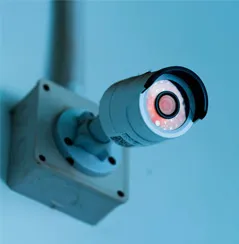

Planning a CCTV project involves more than choosing cameras and comparing quotations. Property owners need to consider recording equipment, cabling, installation work, storage, and ongoing maintenance. Understanding the factors behind CCTV Installation Cost in Dubai helps businesses and homeowners choose a suitable system that meets their security needs and budget.
The total cost depends on the number of cameras, equipment quality, building layout, recording requirements, and installation complexity. A site assessment and itemised quotation can help you understand the actual project requirements before making a decision.
What Determines the Cost of a CCTV System?
There is no single price for every CCTV installation. A small shop with a few cameras has different requirements from a warehouse, office tower, or residential community.
Here are the main factors that influence the budget.
1. Number and Type of Cameras
The number of cameras is one of the main cost factors. More cameras generally mean additional equipment, cabling, mounting work, and recording capacity.
Camera type also affects the budget. Basic indoor cameras may suit simple monitoring needs, while high-resolution, low-light, thermal, or pan-tilt-zoom cameras may cost more because of their specialised features.
Before selecting equipment, identify the areas that need monitoring. Entrances, reception areas, parking spaces, corridors, and storage rooms may require different camera specifications.
2. Image Quality and Camera Features
Higher-resolution cameras can capture more detail, which may be important when monitoring entrances, payment counters, or vehicle access points. However, higher resolution can also increase storage and network requirements.
Other features that may affect the cost include:
- Night vision and low-light performance.
- Wide dynamic range for challenging lighting.
- Weather-resistant construction for outdoor use.
- Motion detection and smart video analytics.
- Remote viewing and notification features.
Choose features based on real security needs instead of paying for functions that may not be necessary.
3. Recording Equipment and Storage
CCTV systems need a suitable way to record and store footage. Network video recorders (NVRs) are commonly used with IP cameras, while digital video recorders (DVRs) work with compatible analogue cameras.
Storage requirements depend on the number of cameras, resolution, frame rate, compression, recording schedule, and required retention period. If a property needs longer recording retention, it may require additional storage capacity.
Ask the installer to explain the proposed recording period and storage specifications before approving the quotation.
How Installation Complexity Affects the Budget
Equipment is only part of the total project cost. The building itself can influence the amount of installation work required.
Cabling and Network Infrastructure
A new building may have planned cable routes and accessible containment. An existing property may require additional work to route cables through ceilings, walls, conduits, or other restricted spaces.
IP camera installations may also require suitable network switches, network cabling, and power arrangements. Larger projects can need additional network infrastructure to support stable video transmission.
Mounting and Site Access
Installing cameras at accessible indoor locations may be straightforward. High ceilings, exterior walls, difficult mounting points, and restricted work areas can increase labour requirements.
Before work begins, ask whether the quotation includes mounting accessories, cable containment, drilling, access equipment, testing, and final configuration.
SIRA Requirements and Compliance Costs
Some properties and business activities in Dubai must meet security requirements established by the Security Industry Regulatory Agency (SIRA). Depending on the project, these requirements may affect system specifications, equipment selection, installation procedures, documentation, and approval work.
Confirm the applicable requirements before purchasing equipment. Where SIRA approval or an authorised provider is required, make sure the proposed scope accounts for the relevant compliance requirements.
Planning this step early can help prevent avoidable changes and additional expenses later.
How to Compare CCTV Installation Quotations
Comparing quotations only by the final price can lead to problems. Two providers may offer different camera specifications, recording capacities, installation services, or warranty terms.
Use the following checklist when reviewing proposals:
- Equipment details: Confirm camera models, resolution, and features.
- Recording capacity: Check the recorder specifications and expected retention period.
- Installation scope: Confirm cabling, mounting, configuration, and testing.
- Compliance requirements: Clarify any applicable approval or documentation work.
- Warranty and support: Review coverage, response arrangements, and exclusions.
- Maintenance: Ask whether future inspections or servicing are included.
An itemised quotation makes it easier to identify differences between providers and avoid unexpected charges.
Ways to Manage Your CCTV Budget
A practical security plan can help control costs without reducing essential coverage.
Prioritise Important Areas
Start with the locations that need the greatest attention. A site survey can help identify camera positions that provide useful views while minimising unnecessary overlap.
Choose Equipment That Fits the Project
Not every area needs the same camera type or resolution. Select equipment according to viewing distance, lighting, environment, and the level of detail required.
Plan for Future Expansion
If the property may need additional cameras later, consider spare network capacity, suitable recording options, and accessible cable routes. Planning for expansion can reduce the need for major changes in the future.
Include Maintenance in the Budget
A CCTV system needs periodic checks to remain dependable. Allow for lens cleaning, recording tests, storage checks, cable inspections, and appropriate firmware updates.
Regular maintenance can help identify faults early and reduce unexpected repair work.
Choosing a CCTV Installation Provider in Dubai
Look for a provider that offers a clear site assessment, explains equipment recommendations, and provides a detailed quotation. Technical knowledge, installation quality, after-sales support, and familiarity with applicable local requirements are all important considerations.
sevenlines provides CCTV installation and related security solutions in Dubai. You can visit the sevenlines official website to explore its services for residential and commercial properties.
Make an Informed Investment in Security
The right CCTV system should balance cost, coverage, image quality, reliability, and future needs. Rather than selecting the cheapest quotation, compare the complete scope of work and make sure the system meets your property's requirements.
With proper planning, suitable equipment, and regular maintenance, a CCTV installation can provide dependable monitoring and support better security management over time.



























Sign in to leave a comment.