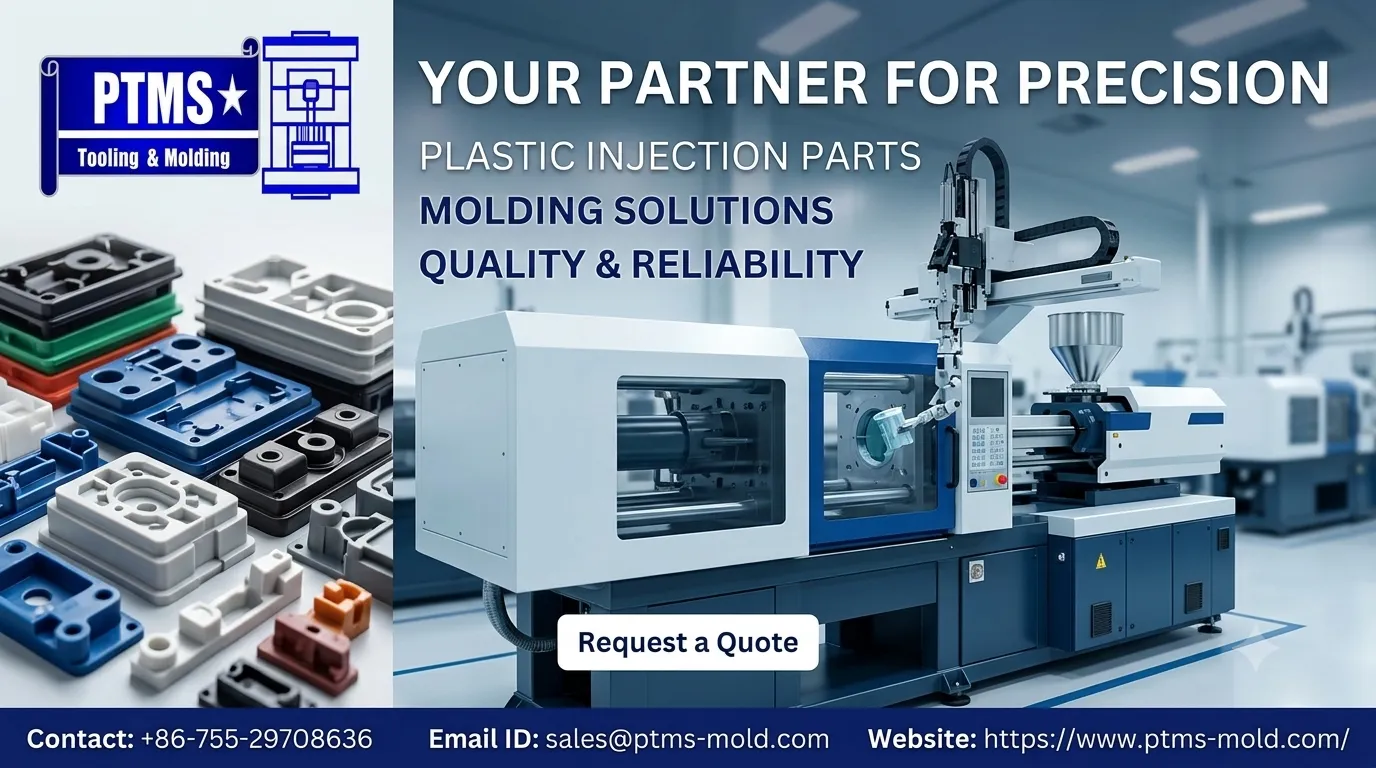

Plastic injection parts are precision-engineered components produced by injecting molten plastic into a custom mold, where the material cools and takes the required shape. They are widely used in automotive, electronics, medical equipment, consumer products, appliances, industrial machinery, and many other applications. The injection molding process combines repeatability, complex geometry, attractive surface finishes, and efficient high-volume production. When part design, material selection, tooling, and process parameters are properly coordinated, manufacturers can produce consistent components with excellent dimensional accuracy and predictable performance. Google recommends people-first content that demonstrates useful expertise, originality, and trustworthy information rather than content created primarily to manipulate rankings.
What Are Plastic Injection Parts?
Plastic injection parts are molded components manufactured from thermoplastic or other moldable polymers. During production, plastic pellets are heated until they become molten and are injected under pressure into a metal mold cavity. After cooling and solidification, the finished component is ejected and inspected. This method is particularly valuable when hundreds, thousands, or millions of identical parts are required. Unlike many machining processes, injection molding can create complex features such as ribs, bosses, clips, textured surfaces, snap-fits, and integrated mounting points within a single component.
How Are Plastic Injection Parts Manufactured?
1. Product Design and DFM Analysis
Production begins with a 3D CAD model and technical specifications. Engineers evaluate wall thickness, draft angles, ribs, bosses, undercuts, parting lines, gates, tolerances, and ejection requirements. Design for manufacturability (DFM) at this stage can prevent expensive tooling modifications later.
2. Mold Design and Tooling
A custom injection mold is developed around the geometry of the component. The mold normally includes cavity and core sections, runners, gates, cooling channels, and an ejection system. Tool design directly influences cycle time, appearance, dimensional consistency, and long-term production reliability.
3. Material Selection
The resin should match the application's mechanical, thermal, chemical, electrical, and appearance requirements. Common choices include:
- ABS for durable housings and consumer products
- Polypropylene (PP) for lightweight and chemical-resistant components
- Polycarbonate (PC) for strength and impact resistance
- Nylon (PA) for mechanically demanding applications
- POM for low-friction and wear-resistant components
- TPE and other elastomers for flexible or soft-touch parts
4. Injection and Cooling
Plastic pellets are melted inside the molding machine and injected into the mold. The material fills the cavity before cooling and solidifying. Cooling is an important part of the cycle because uneven temperature distribution can contribute to warpage, dimensional variation, or cosmetic defects.
5. Ejection and Quality Inspection
Once the part has cooled sufficiently, ejector pins or another mechanism remove it from the mold. Finished parts can then be checked for dimensions, surface appearance, flash, sink marks, warpage, short shots, and other potential defects.
Key Design Considerations for Plastic Injection Parts
Wall Thickness
Consistent wall thickness is one of the most important design considerations. Large changes in thickness can affect cooling and shrinkage, potentially causing sink marks or warpage. The ideal thickness depends on the selected resin, geometry, structural requirements, and tooling strategy.
Draft Angles
Draft allows molded components to release smoothly from the mold. Insufficient draft can increase ejection forces, damage surfaces, or complicate tooling.
Ribs and Bosses
Ribs can increase structural stiffness without adding excessive material, while bosses can provide mounting points for screws, inserts, or other components. Their geometry should be designed to minimize cosmetic and molding problems.
Gates and Parting Lines
Gate location affects material flow, weld-line positioning, filling behavior, and sometimes the visible appearance of the final component. The parting line should also be positioned thoughtfully to simplify tooling and reduce unwanted cosmetic effects.
Why DFM Matters
A strong DFM process connects product engineering with practical manufacturing requirements. Reviewing a design before mold construction can identify potential problems when changes are still relatively inexpensive. Design guides consistently emphasize wall thickness, draft, ribs, bosses, gates, material selection, and ejection as important factors in injection molding success.
Advantages of Plastic Injection Parts
Plastic injection molding is often selected when manufacturers need repeatable components at scale. Major advantages include:
- High production efficiency
- Excellent repeatability between cycles
- Capability to manufacture complex geometries
- Wide selection of engineering and commodity plastics
- Multiple surface finishes and color options
- Integration of functional features into one component
- Reduced per-part cost at suitable production volumes
- Compatibility with automated production and quality inspection
The main trade-off is the initial tooling investment. Injection molding typically requires a mold to be produced before regular production begins, but the cost per component can become highly competitive as production quantities increase.
Plastic Injection Parts vs. Other Manufacturing Methods
| Factor | Plastic Injection Parts | CNC Machining | 3D Printing |
| High-volume production | Excellent | Moderate | Limited |
| Initial tooling cost | Higher | Low | Low |
| Cost per part at volume | Low | Higher | Higher |
| Complex molded features | Excellent | Good | Excellent |
| Repeatability | Excellent | Excellent | Depends on technology |
| Material waste | Generally low | Can be higher | Often relatively low |
| Best suited for | Medium to mass production | Prototypes and low-volume precision parts | Prototypes and customized parts |
| The best manufacturing method depends on production volume, material, tolerance, geometry, lead time, tooling budget, and end-use requirements. |
Common Applications of Plastic Injection Parts
Plastic injection parts are found throughout modern manufacturing. Typical applications include:
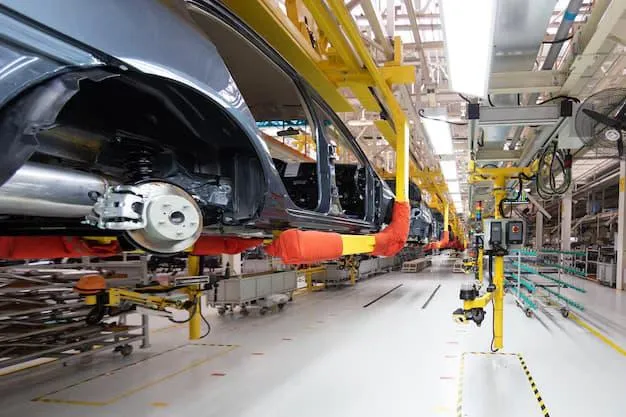
- Automotive: brackets, covers, clips, bezels, interior components, and functional under-hood parts.
- Consumer Electronics: housings, buttons, connectors, frames, and protective components.
- Medical Equipment: device housings, laboratory components, and selected disposable products where the appropriate material and regulatory requirements are met.
- Appliances: knobs, handles, panels, structural components, and internal mechanisms.
- Industrial Equipment: gears, covers, brackets, enclosures, and machine components.
- Consumer Products: containers, toys, organizers, handles, closures, and household accessories.
How to Choose a Plastic Injection Parts Manufacturer
Selecting a manufacturing partner should involve more than comparing a quoted price. Consider the supplier's engineering capability, tooling experience, material knowledge, inspection process, production capacity, communication, and ability to support design changes.
A practical evaluation checklist includes:
- Review previous injection molding experience.
- Confirm available molding equipment and production capacity.
- Ask about DFM and mold-flow analysis capabilities.
- Verify material and color control procedures.
- Discuss dimensional inspection and quality documentation.
- Clarify mold ownership, maintenance, and expected tool life.
- Request samples before full production when appropriate.
- Evaluate communication, project management, and delivery processes.
FAQ: Plastic Injection Parts
1. What are plastic injection parts?
They are components manufactured by injecting molten plastic into a mold cavity and allowing it to cool and solidify into the desired shape.
2. What plastics are commonly used for injection molding?
ABS, PP, PC, PA, POM, PE, and various engineering polymers are commonly used, with the appropriate choice depending on the application's requirements.
3. Are plastic injection parts suitable for mass production?
Yes. Injection molding is particularly effective for repeatable medium- and high-volume production because the same mold can produce consistent components over many cycles.
4. How much do plastic injection parts cost?
Cost depends on part complexity, material, dimensions, tolerances, mold construction, finishing requirements, production volume, and quality specifications.
5. How long does an injection mold last?
Tool life varies significantly according to mold material, design, maintenance, production conditions, resin, and required production volume.
6. Can injection molded parts have complex shapes?
Yes. Properly designed molds can produce components with ribs, bosses, snap-fits, textures, openings, and other complex features.
7. What causes warpage in injection molded parts?
Warpage can result from uneven cooling, material shrinkage, inconsistent wall thickness, unsuitable processing conditions, mold design issues, or part geometry.
8. Can plastic injection parts be customized?
Yes. Parts can be customized by geometry, resin, color, texture, surface finish, inserts, tolerances, and functional requirements.
9. Why is DFM important for injection molding?
DFM helps identify manufacturing risks before tooling begins, potentially reducing redesigns, tooling modifications, production defects, and unnecessary costs.
10. Are injection molded parts environmentally friendly?
Environmental performance depends on the resin, product life, manufacturing efficiency, recyclability, recycled content, and end-of-life management. Choosing durable designs and suitable recyclable materials can support better lifecycle performance.
11. Can plastic injection parts be used for tight-tolerance applications?
Yes, although achievable tolerances depend on material behavior, part geometry, mold quality, process control, and inspection requirements. Critical dimensions should be reviewed during engineering and DFM.
12. What information should I provide when requesting a quote?
A manufacturer will typically need the CAD model or drawing, material preference, estimated quantity, color, surface finish, dimensional requirements, application information, and any special quality or regulatory requirements.
Conclusion: Build Better Plastic Injection Parts
Successful plastic injection parts begin long before the molding machine starts its first cycle. A well-engineered component requires thoughtful material selection, manufacturable geometry, appropriate tooling, controlled processing, and consistent quality inspection. By involving an experienced manufacturing partner early, product developers can identify design risks, improve production efficiency, and create reliable components for their target application. For businesses seeking dependable custom molding support, PtmsMold can be considered as a manufacturing partner for developing precision plastic components from design and tooling through production. Contact the team with your CAD files, drawings, material requirements, and production goals to discuss a practical injection molding solution tailored to your project.
📞 - +86-755-29708636
👉 - https://www.ptms-mold.com/
























Sign in to leave a comment.