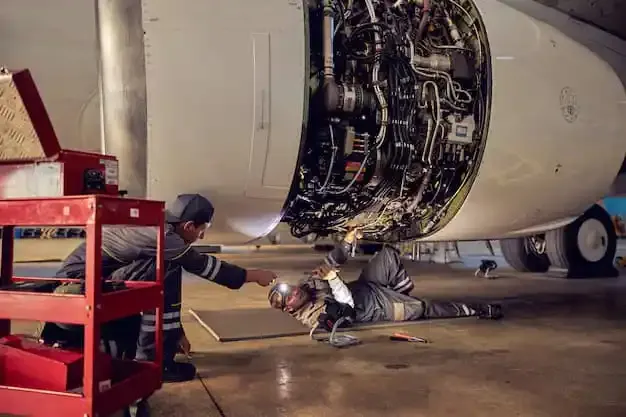

Aircraft design is evolving rapidly as the aviation industry seeks better efficiency, improved performance, enhanced reliability, and more sustainable operations. Modern development requires engineers to consider aerodynamics, structures, propulsion, materials, digital systems, and manufacturing as interconnected elements. Aerospace aeronautical engineering brings these disciplines together to address complex aircraft requirements from concept development through testing and refinement. By combining scientific principles with advanced analytical tools and practical engineering knowledge, specialists can help create aircraft configurations that respond effectively to demanding operational requirements while maintaining appropriate standards of safety, durability, and performance.
Understanding Modern Aircraft Design
Aircraft design involves far more than creating a shape capable of generating lift. Engineers must consider how every component contributes to overall aircraft behavior. Wing geometry affects aerodynamics, structural requirements influence weight, and propulsion choices affect performance and integration. Digital systems introduce additional considerations involving communication, control, and reliability. Because these factors interact continuously, aircraft development requires a coordinated engineering approach. Specialists analyze each area while considering its relationship with the complete aircraft. This integrated process helps prevent isolated improvements from creating unexpected problems elsewhere in the design.
Balancing Performance and Practicality
Aircraft designers often face competing objectives. A design may need to be lightweight while remaining structurally strong, aerodynamic while being practical to manufacture, and technologically advanced while remaining reliable. Engineering analysis helps identify the most appropriate balance between these requirements. Instead of optimizing one characteristic independently, specialists evaluate how different choices influence the aircraft as a whole. This approach can lead to more practical solutions that support performance without creating unnecessary complexity. Careful engineering judgment is therefore essential when making decisions that affect multiple aspects of aircraft development.
Improving Aerodynamic Efficiency
Aerodynamics remains central to aircraft performance because airflow directly influences lift, drag, stability, and control. Engineers study how air interacts with wings, fuselage surfaces, control components, and other external features. Computational fluid dynamics can provide detailed information about pressure distribution and airflow behavior, while physical testing can help validate computational predictions. Through repeated analysis and refinement, engineers can identify opportunities to reduce drag and improve lift characteristics. Aerodynamic optimization can contribute to greater efficiency and improved flight performance without requiring major changes to the overall aircraft concept.
Optimizing Aircraft Geometry
Small changes in aircraft geometry can have meaningful effects on aerodynamic behavior. Wing sweep, airfoil shape, aspect ratio, surface contours, and control surface dimensions can all influence performance. Engineers evaluate these characteristics under different operating conditions to determine how a configuration behaves throughout its intended flight envelope. Geometry optimization must also account for structural and manufacturing considerations. A theoretically efficient shape may not be practical to produce or integrate. Successful aircraft design therefore requires aerodynamic improvements to be evaluated alongside structural integrity, manufacturability, and operational requirements.
Strengthening Structural Design
Aircraft structures must withstand repeated loads, vibration, environmental exposure, and demanding flight conditions. Engineers analyze structural components to determine whether they can maintain required strength and durability while avoiding unnecessary weight. Stress analysis, fatigue evaluation, material assessment, and structural testing contribute to this process. Modern engineering methods allow specialists to examine load paths and identify areas where geometry or materials can be optimized. A strong structural design provides a foundation for dependable aircraft operation and supports other performance goals by maintaining the necessary balance between weight, strength, durability, and manufacturability.
Reducing Unnecessary Weight
Aircraft weight can influence range, payload, energy consumption, and overall efficiency. Engineers therefore look for opportunities to reduce mass without compromising structural performance. Lightweight materials, optimized component geometry, and improved manufacturing processes can contribute to weight reduction. However, every change must be supported by appropriate analysis because reducing material without understanding loading conditions can create unacceptable risks. Engineers evaluate stress, fatigue, vibration, and environmental factors before approving structural modifications. This disciplined approach helps achieve meaningful weight savings while maintaining the reliability required for demanding aviation applications.
Integrating Advanced Materials
Material selection has become increasingly important as aircraft designers seek stronger and lighter structures. Advanced composites and specialized materials can provide useful combinations of mechanical performance, durability, and reduced mass. Their successful use requires an understanding of manufacturing methods, environmental behavior, inspection requirements, and long term performance. Engineers must also consider how new materials interact with conventional components. Proper integration can improve aircraft efficiency while supporting structural reliability. Material engineering therefore extends beyond selecting a suitable substance and involves understanding how that material performs within the complete aircraft environment.
Evaluating Material Performance
Engineers assess materials according to the specific demands of the aircraft application. Temperature, moisture, vibration, repeated loading, impact, and environmental exposure can all affect material performance. Testing provides evidence about how materials behave under controlled conditions, while simulation can help predict their behavior within larger structures. Combining these approaches supports better material selection and design decisions. A material that performs well under one condition may require additional evaluation under another. Thorough engineering analysis helps ensure that material choices remain suitable throughout the intended operational life of the aircraft.
Advancing Digital Aircraft Development
Digital engineering tools have transformed many aspects of aircraft development. Engineers can create detailed models, simulate performance, analyze structures, and evaluate system interactions before physical prototypes are produced. These capabilities can reduce development uncertainty and allow teams to compare multiple design options efficiently. Digital models can also support communication between engineering disciplines because different specialists can work from shared design information. However, digital tools are most effective when used with sound engineering judgment and physical validation. Accurate models, appropriate assumptions, and careful interpretation remain essential for obtaining useful results.
Using Simulation for Design Optimization
Simulation allows engineers to explore different aircraft configurations under a range of operating conditions. Aerodynamic simulations can examine airflow, while structural models can evaluate stress and deformation. System simulations can investigate interactions between different components. By studying these results together, engineering teams can identify design changes that may improve overall performance. Simulation also provides an opportunity to identify potential weaknesses before expensive physical prototypes are created. This can make development more efficient while giving engineers additional evidence to support important design decisions.
Improving Aircraft Systems Integration
Modern aircraft rely on numerous interconnected systems for navigation, communication, control, monitoring, and mission functions. Integrating these technologies requires careful consideration of interfaces, power requirements, environmental conditions, data communication, and reliability. Engineering specialists evaluate how systems interact with structures, software, sensors, and human interfaces. Poor integration can create performance problems even when individual components operate correctly. A systems engineering approach helps identify these interactions early. This supports more reliable aircraft architectures and can make advanced technologies easier to integrate into increasingly sophisticated aircraft platforms.
Supporting Intelligent Technologies
Automation, sensing, onboard computing, and advanced control technologies are becoming increasingly important in aviation. These technologies can support improved monitoring, decision making, and operational efficiency. Engineers must determine how intelligent systems interact with aircraft dynamics and existing control architectures. Extensive testing is important because automated systems may encounter conditions that are difficult to represent completely through digital models. Engineering teams evaluate both normal and unusual operating scenarios to understand system behavior. This careful approach supports the responsible integration of intelligent technologies while maintaining appropriate levels of reliability and control.
Strengthening Testing and Validation
No aircraft design process is complete without effective testing and validation. Analysis can predict performance, but physical testing provides essential evidence about how the design behaves under real or controlled conditions. Depending on the development stage, testing may involve materials, components, structures, aerodynamic models, systems, or complete aircraft. Engineers compare test results with predictions and investigate significant differences. This process can reveal unexpected behaviors and provide opportunities for refinement. Strong validation practices help transform theoretical designs into solutions supported by measurable evidence and practical engineering knowledge.
Creating an Iterative Development Process
Aircraft development is often iterative because new information becomes available at every stage. Simulation may identify an issue that requires design modification, while testing may reveal behavior that was not predicted. Engineers analyze these findings and adjust the design accordingly. Repeating this cycle allows the aircraft to improve gradually rather than relying on a single design decision. An iterative process also encourages continuous learning because each stage provides information that can improve subsequent engineering work. This method is particularly valuable for complex aircraft projects involving advanced technologies and unfamiliar configurations.
Supporting Manufacturability
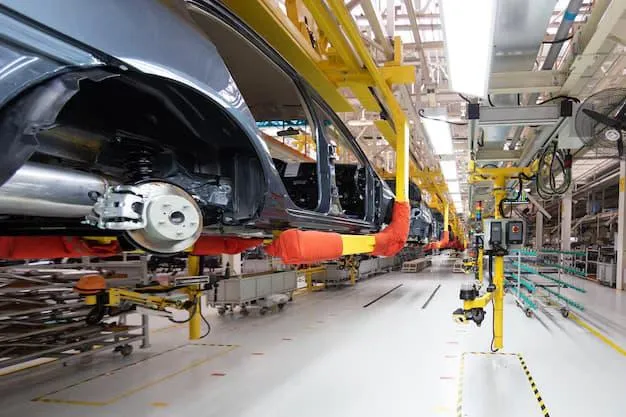
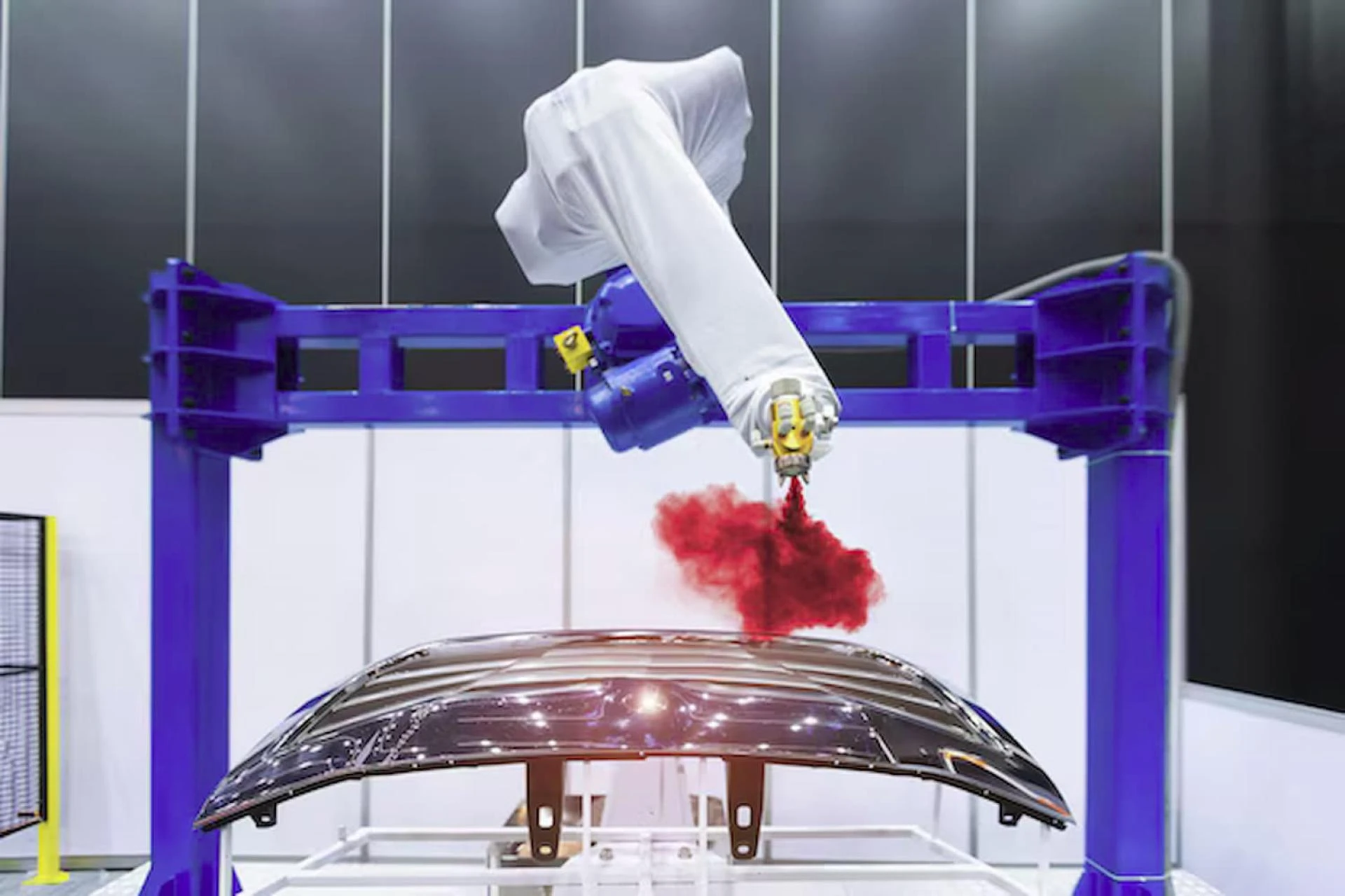
An aircraft design must ultimately be translated into physical components and assemblies. Engineers therefore need to consider manufacturing requirements during design rather than waiting until production begins. Material availability, component tolerances, tooling, assembly methods, inspection processes, and production repeatability can all influence design decisions. Early consideration of these factors helps reduce the risk of creating components that are technically effective but difficult to produce consistently. Collaboration between engineering and manufacturing specialists supports smoother transitions from prototypes to production and helps maintain the intended performance characteristics of the final aircraft.
Improving Production Consistency
Consistent manufacturing is essential for maintaining aircraft quality. Variations in dimensions, surface conditions, material properties, or assembly procedures can influence component performance. Engineering teams establish appropriate specifications and tolerances to help control these variations. Inspection and testing processes provide additional assurance that manufactured components meet design requirements. When production feedback is incorporated into engineering decisions, designs can become easier to manufacture without sacrificing performance. This connection between engineering and production contributes to reliable aircraft development and supports more efficient manufacturing processes.
Preparing for Future Aircraft Concepts
The future of aviation is likely to involve new propulsion approaches, advanced materials, automated systems, unconventional configurations, and increasingly digital development processes. Each development presents unique technical challenges. Engineers must remain adaptable and apply established principles to emerging technologies while being willing to explore new analytical and testing methods. Multidisciplinary collaboration will become increasingly important because future aircraft may involve stronger connections between structures, propulsion, software, electronics, and intelligent control systems. Engineering expertise will continue to provide the foundation for evaluating these technologies and determining how they can be integrated effectively.
Conclusion
Modern aircraft design requires a coordinated approach that brings together aerodynamics, structures, materials, digital engineering, systems integration, testing, and manufacturing. Aerospace aeronautical engineering supports this process by connecting specialized disciplines and applying them to complex aircraft development challenges. Through careful analysis, simulation, testing, and continuous refinement, engineering teams can help improve aircraft efficiency, reliability, performance, and practicality. As aviation technology continues to evolve, Swift Engineering Inc represents the importance of experienced engineering capabilities in supporting innovative aircraft development and addressing increasingly demanding aerospace challenges.


























Sign in to leave a comment.