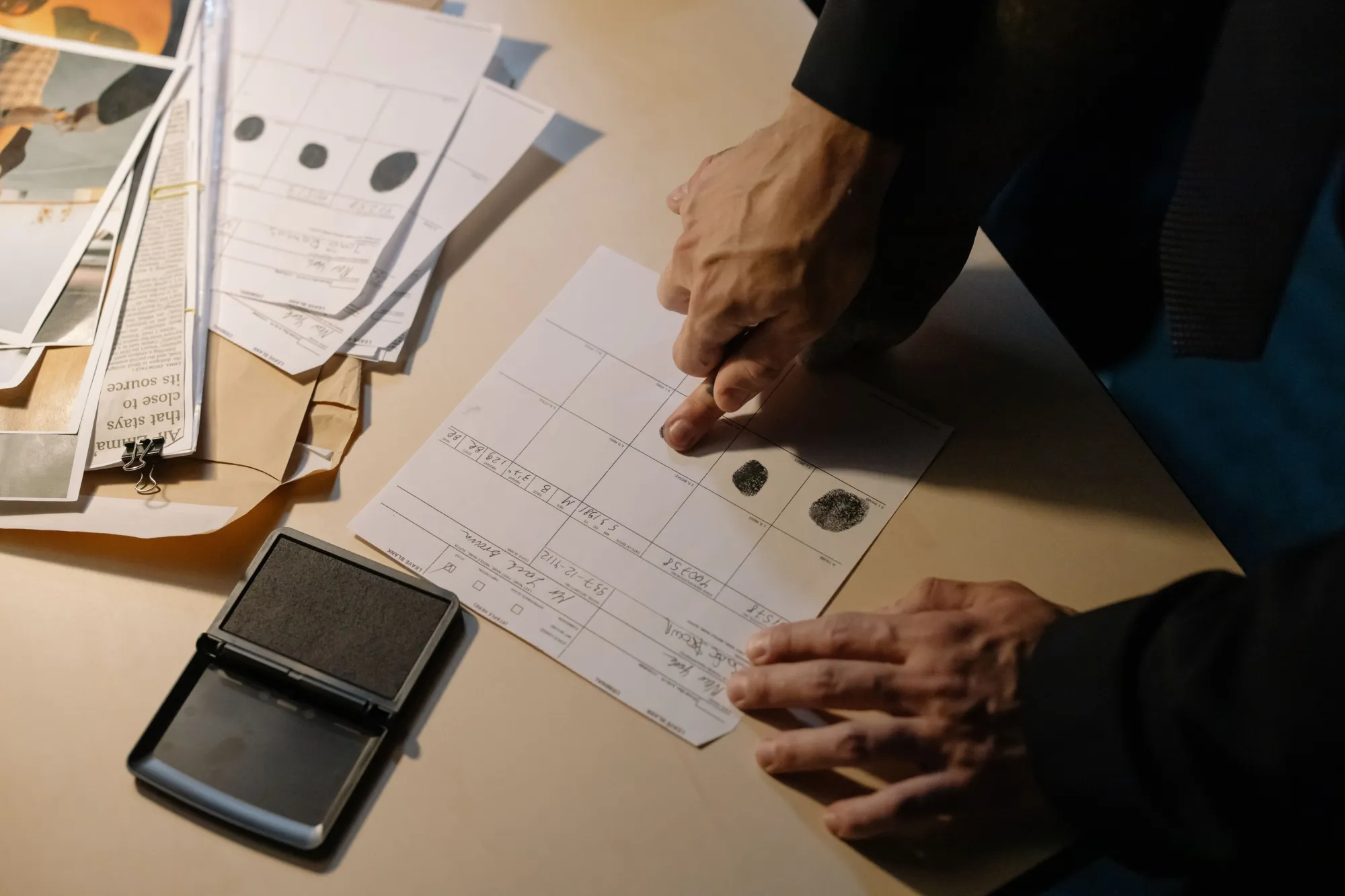

A police clearance certificate is an important document for many legal, immigration, employment, and education purposes in Australia. If your certificate has been issued in a language other than English, you'll usually need a certified English translation before it can be accepted by Australian authorities or other organisations.
Understanding the police clearance translation process can help you avoid unnecessary delays and ensure your documents meet official requirements. This guide explains when a translation is needed, who can complete it, and how the process works.
What Is a Police Clearance Translation?
A police clearance translation is a certified English translation of a police clearance certificate or criminal record document originally issued in another language.
In Australia, official translations should be completed by a NAATI-certified translator. This ensures the translated document accurately reflects the original and is recognised by government agencies, employers, universities, and other organisations.
When Do You Need a Police Clearance Translation?
You may be asked to provide a translated police clearance certificate for several reasons, including:
- Visa and immigration applications
- Australian citizenship applications
- Permanent residency applications
- Employment background checks
- Professional licensing
- University admissions
- Court proceedings
- Adoption processes
- Volunteer positions requiring police checks
If the original document is not in English, most Australian organisations require a certified translation before processing your application.
Why Is NAATI Certification Important?
NAATI (National Accreditation Authority for Translators and Interpreters) certifies professional translators who meet Australia's recognised translation standards.
Choosing naati translation services offers several advantages:
- Widely accepted by Australian government departments
- Accurate translation of legal terminology
- Professional certification for official use
- Reduced risk of application delays
- Greater confidence that documents meet Australian requirements
Translations completed by uncertified translators may not be accepted, leading to additional costs and delays.
What Information Is Included in the Translation?
A certified translator carefully translates every detail shown on the police clearance certificate, including:
- Full name
- Date of birth
- Identification details
- Certificate number
- Issuing authority
- Issue date
- Criminal record information, if applicable
- Official remarks
- Stamps and seals
- Signatures
Every section is translated to ensure the English version accurately represents the original document.
Who Accepts Certified Police Clearance Translations?
Certified translations are commonly accepted by:
- Australian government departments
- Immigration authorities
- Employers
- Universities and colleges
- Professional registration bodies
- Courts
- Legal firms
- Financial institutions
Always check the specific requirements of the organisation requesting your documents, as some may ask for additional supporting paperwork.
The Translation Process
Obtaining a certified translation is usually simple and efficient.
Step 1: Prepare Your Document
Scan or photograph your police clearance certificate. Make sure the image is clear and all text, stamps, and signatures are visible.
Step 2: Submit Your File
Upload the document to a provider offering professional naati translation services.
Step 3: Certified Translation
A NAATI-certified translator carefully translates every section while maintaining the accuracy and structure of the original document.
Step 4: Certification
Once completed, the translation is certified with the translator's NAATI credentials and certification statement.
Step 5: Receive Your Translation
Most providers supply certified digital copies by email, while printed certified copies can usually be requested if needed.
How Long Does It Take?
Translation times vary depending on the document and language.
Many police clearance certificates can be translated within one or two business days. Express services are also available for applicants working with urgent immigration, employment, or legal deadlines.
Languages Commonly Translated
Professional translation providers regularly translate police clearance certificates from:
- Chinese
- Arabic
- Hindi
- Punjabi
- Spanish
- Portuguese
- Japanese
- Korean
- Vietnamese
- Russian
- Persian (Farsi)
- Italian
- German
- French
- Thai
Many providers offer certified translations in more than 150 languages.
Tips Before Ordering Your Translation
To help ensure a smooth process:
- Submit a high-quality scan or photograph.
- Ensure the entire document is visible.
- Do not crop stamps, seals, or signatures.
- Confirm whether printed certified copies are required.
- Check if additional supporting documents also need translation.
Taking these simple steps can help avoid unnecessary processing delays.
Common Mistakes to Avoid
Applicants often encounter problems because they:
- Use online translation software.
- Choose translators who are not NAATI certified.
- Submit blurry or incomplete document scans.
- Alter the original document before translation.
- Assume all organisations accept uncertified translations.
Working with an experienced certified translator from the start helps minimise these issues.
Why Accuracy Matters
Police clearance certificates are legal documents that play an important role in immigration, employment, and background verification. Even minor translation errors involving names, dates, offences, or official remarks can delay an application or result in requests for additional documentation.
A certified translator ensures every detail is translated accurately while meeting Australian standards for official document acceptance.
Final Thoughts
If your police clearance certificate is not written in English, obtaining a certified police clearance translation is often essential before submitting it to Australian authorities or organisations.
Using trusted naati translation services helps ensure your translated document is accurate, professionally certified, and accepted for immigration, employment, education, legal matters, and other official purposes throughout



























Sign in to leave a comment.