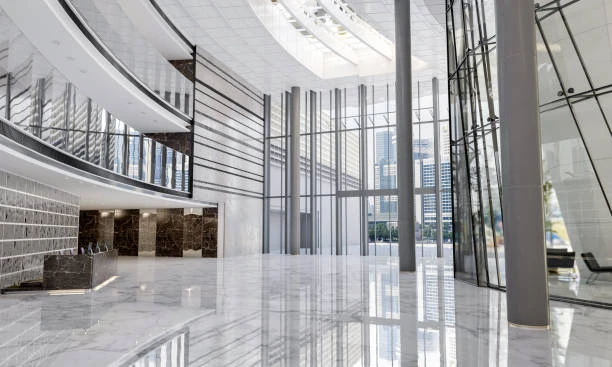
Polished concrete flooring has rapidly gained popularity in New Zealand, becoming a preferred choice for both residential and commercial spaces. Known for its sleek appearance, durability, and low maintenance, this flooring solution combines practicality with modern design aesthetics. Whether you're building a new home or renovating an existing space, polished concrete floors in NZ offers a versatile and long-lasting option.
What is Polished Concrete Flooring?
Polished concrete is a multi-step process where a concrete surface is mechanically ground, honed, and polished using specialized equipment. This process enhances the natural look of concrete while improving its strength and durability. The result is a smooth, glossy surface that can range from a matte finish to a high-gloss shine.
Unlike traditional concrete floors, polished concrete is treated with densifiers and sealers that harden the surface and make it resistant to stains, moisture, and wear. This makes it suitable for a wide range of applications, from homes to retail stores and industrial spaces.
Why Choose Polished Concrete in New Zealand?
Durability and Longevity
New Zealand’s varied climate, including humidity and temperature fluctuations, demands flooring that can withstand environmental changes. Polished concrete is highly durable and resistant to cracking when properly installed. It can last decades without needing replacement, making it a cost-effective long-term investment.
Low Maintenance Requirements
One of the biggest advantages of polished concrete floors is how easy they are to maintain. Unlike carpets or wooden floors, polished concrete does not require frequent deep cleaning or refinishing. Regular sweeping and occasional mopping are usually sufficient to keep the surface looking new.
Modern Aesthetic Appeal
Polished concrete fits perfectly with contemporary design trends. Its clean, minimalist look complements modern architecture and interior design styles commonly found across New Zealand homes. It can also be customized with different finishes, colors, and aggregate exposures to suit personal preferences.
Eco-Friendly Flooring Option
Sustainability is a growing priority in New Zealand construction. Polished concrete is considered environmentally friendly because it utilizes existing concrete slabs, reducing the need for additional materials. Its thermal mass properties also help regulate indoor temperatures, potentially lowering energy costs.
Types of Polished Concrete Finishes
Cream Finish
A cream finish involves minimal grinding, preserving the top layer of the concrete. This option offers a smooth and uniform look but may have fewer visible aggregates.
Salt and Pepper Finish
This popular finish lightly exposes small aggregates, creating a speckled appearance. It strikes a balance between aesthetics and subtle texture, making it suitable for residential spaces.
Full Aggregate Exposure
For a more decorative look, deeper grinding reveals larger stones within the concrete. This creates a terrazzo-like appearance and adds visual interest to the floor.
Matte vs High Gloss
Polished concrete floors can range from matte to high-gloss finishes. Matte finishes provide a more understated look, while high-gloss surfaces reflect light and create a luxurious feel.
Applications of Polished Concrete Floors
Residential Spaces
Polished concrete is commonly used in living rooms, kitchens, and even bedrooms. Its seamless surface enhances open-plan living areas and pairs well with underfloor heating systems.
Commercial and Retail Environments
Retail stores, showrooms, and offices benefit from polished concrete due to its durability and professional appearance. It can withstand heavy foot traffic without losing its shine.
Industrial Settings
Warehouses and factories often use polished concrete because of its ability to handle heavy machinery and high loads. Its dust-resistant surface also contributes to a cleaner working environment.
Installation Process
Surface Preparation
The process begins with preparing the existing concrete slab. Any cracks or imperfections are repaired to ensure a smooth base.
Grinding and Honing
Specialized machines grind the surface to remove imperfections and expose the desired level of aggregate. The floor is then honed with finer abrasives to achieve smoothness.
Densification
A chemical densifier is applied to harden the concrete and improve its durability. This step is crucial for achieving a long-lasting finish.
Polishing and Sealing
The final stages involve polishing the floor to the desired level of sheen and applying a protective sealer to enhance resistance to stains and moisture.
Cost Considerations in New Zealand
The cost of polished concrete flooring in New Zealand can vary depending on several factors:
- Size of the area
- Level of finish المطلوبة (e.g., cream vs full aggregate)
- Condition of the existing concrete slab
- Complexity of the design
While the initial cost may be higher than some traditional flooring options, the long lifespan and minimal maintenance often make it more economical over time.
Advantages of Polished Concrete Floors
Long-Term Cost Efficiency
With minimal maintenance and no need for replacement, polished concrete can save money over the long term.
Allergy-Friendly
Unlike carpets, polished concrete does not trap dust, allergens, or pet dander, making it a healthier option for indoor environments.
Moisture Resistance
Properly sealed polished concrete is resistant to moisture, which is particularly beneficial in areas prone to humidity.
Versatility
It can be customized with stains, dyes, and patterns to achieve unique design effects.
Potential Drawbacks to Consider
Hard Surface
Concrete is naturally hard, which may be uncomfortable for prolonged standing. Adding rugs or mats can help improve comfort.
Temperature Sensitivity
While polished concrete works well with underfloor heating, it can feel cold underfoot during winter without proper insulation.
Installation Time
The polishing process can take several days depending on the size and condition of the floor.
Maintenance Tips
Regular Cleaning
Sweep or vacuum regularly to remove dust and debris. Use a damp mop with a neutral cleaner to maintain the shine.
Avoid Harsh Chemicals
Acidic or abrasive cleaners can damage the surface and reduce its lifespan.
Periodic Resealing
Although polished concrete is durable, occasional resealing may be required to maintain its protective layer.
Is Polished Concrete Right for You?
Polished concrete flooring is an excellent choice for homeowners and businesses seeking a modern, durable, and low-maintenance solution. It aligns well with New Zealand’s architectural trends and environmental priorities, offering both style and functionality.
However, it’s important to consider factors such as comfort, insulation, and budget before making a decision. Consulting with experienced professionals can help ensure the best results tailored to your specific needs.
Conclusion
Polished concrete floors have become a standout flooring solution in New Zealand, combining contemporary design with exceptional durability. From residential homes to commercial spaces, this versatile option continues to grow in popularity due to its aesthetic appeal and practical benefits.
By understanding the different finishes, installation processes, and maintenance requirements, you can make an informed decision about whether polished concrete is the right flooring solution for your space. With proper care, it can provide a stylish and long-lasting foundation for years to come.


























Sign in to leave a comment.