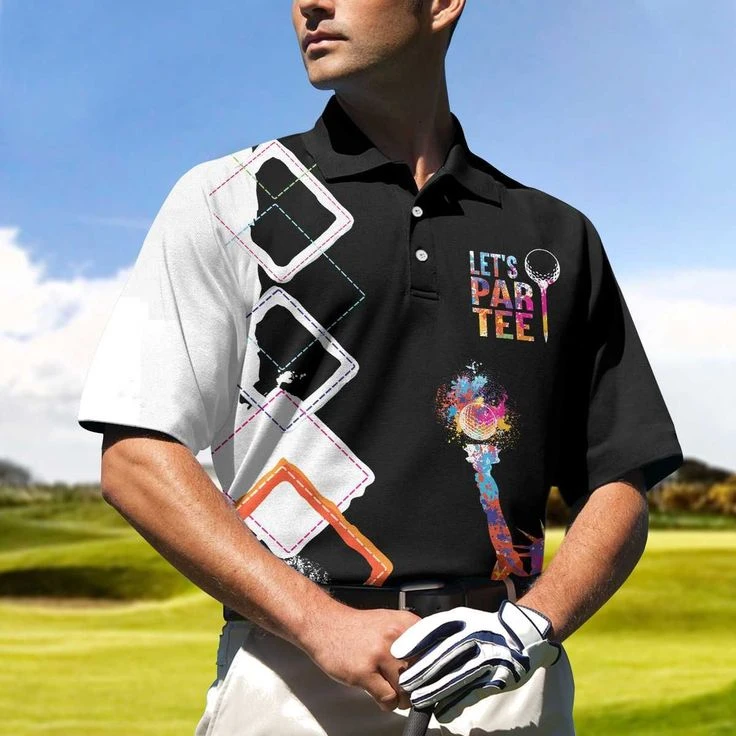

The polo shirt’s story begins in the late 19th century, on the polo fields of Manipur, India, where British soldiers first encountered the sport and adopted its athletic attire. The original shirts worn by Indian players were made of lightweight cotton and featured buttoned-down collars to prevent flapping during play. When polo spread to England, the Brooks Brothers brand took inspiration from this design, releasing the first “button-down polo” shirt in the late 1800s. However, the true reinvention came decades later, when René Lacoste, the French tennis legend, revolutionized the concept of sportswear by creating a shirt that was both functional and refined.
In 1926, Lacoste introduced his now-famous short-sleeved cotton piqué shirt with a soft collar and small crocodile logo a garment designed to replace the stiff, long-sleeved tennis uniforms of the time. This innovation transformed sports fashion forever. The breathable fabric and elegant silhouette made it perfect for movement, comfort, and class. By the mid-20th century, the polo shirt had transcended the tennis court to become a global fashion staple, symbolizing sophistication and ease in equal measure.
The Fabric Behind the Fashion: Materials That Define Quality
A major reason for the polo shirt’s enduring popularity lies in its fabric composition. The classic version is made from cotton piqué, a textured knit that offers excellent breathability and durability. The small honeycomb-like weave allows air to circulate freely, keeping the wearer cool even in warm weather. Over time, manufacturers introduced jersey cotton, bamboo blends, and polyester-spandex combinations for more flexibility and wrinkle resistance. These modern adaptations expanded the polo’s usability beyond sport, making it suitable for casual, professional, and travel wear alike.
Top brands like Lacoste, Ralph Lauren, and Fred Perry remain faithful to the piqué tradition, while performance-oriented labels such as Nike, Adidas, and Under Armour experiment with synthetic blends like Dri-FIT, AEROREADY, and HeatGear technology. These innovations wick away sweat and provide UV protection, ensuring comfort even during strenuous activity. Meanwhile, eco-conscious designers have embraced organic cotton and recycled fibers, proving that sustainability and style can coexist in the modern polo.
From Sportswear to Streetwear: The Evolution of Polo Style
What began as athletic attire soon evolved into a universal wardrobe essential. In the 1950s and 60s, American college students from Ivy League campuses adopted the polo shirt as a symbol of intellectual coolness and relaxed sophistication. Paired with chinos or khakis, it became synonymous with “preppy” culture. This aesthetic gained momentum in the 1970s when Ralph Lauren launched his Polo Ralph Lauren line, reimagining the shirt as a luxury statement. His embroidered pony logo became an emblem of aspiration and class, defining an entire generation’s approach to casual elegance.
In Britain, the Mod movement embraced polos from Fred Perry and Ben Sherman, fusing fashion with music and identity. Later, in the 1990s and early 2000s, polos reemerged in streetwear culture, favored by hip-hop artists and skateboarders for their versatility and minimalist coolness. From tennis courts to runways, the polo shirt adapted to every trend while maintaining its core essence — clean, sporty, and timelessly stylish.
The Anatomy of a Polo Shirt: Design That Blends Form and Function
At first glance, a polo shirt may seem simple, but every detail plays a role in its function and appeal. The collar gives the shirt its signature structure, allowing it to bridge the gap between casual and semi-formal wear. The button placket offers ventilation and adjustability, while ribbed sleeves ensure a snug yet comfortable fit. The tennis tail — a slightly longer back hem — helps keep the shirt tucked during movement, a design innovation dating back to its sporting roots.
Modern polos now come in various cuts, including slim fit, classic fit, and relaxed fit, catering to different body types and fashion preferences. Some feature contrast piping, embroidered emblems, or zippered collars for a contemporary twist. Despite these variations, the core design philosophy remains consistent: effortless elegance, freedom of movement, and refined simplicity.
Polo Shirts in Professional and Corporate Life
The polo shirt’s balance between comfort and class has made it a cornerstone of business-casual and corporate uniforms. In industries such as hospitality, retail, and technology, employees often wear polos embroidered with company logos, symbolizing professionalism and unity. Tech giants like Google, Apple, and Microsoft have normalized smart-casual dressing, where a clean polo paired with trousers or jeans projects both confidence and approachability.
The shirt’s versatility also suits outdoor and customer-facing roles, offering breathability without sacrificing presentation. Custom embroidery, durable fabrics, and wrinkle-resistant blends make polos practical for long workdays. As workplace culture shifts toward relaxed yet polished dress codes, the polo shirt continues to represent a perfect middle ground between formality and function.
Cultural Significance: How Polo Shirts Transcend Borders
Few garments enjoy the global recognition that polo shirts do. In the United States, they signify preppy leisure and upper-middle-class taste, immortalized by brands like Ralph Lauren and Tommy Hilfiger. In the United Kingdom, polos carry historical ties to youth subcultures, music scenes, and even football fandoms. Meanwhile, in Asia, especially Japan, South Korea, and India, polo shirts are part of everyday office and social wear, valued for their simplicity and comfort in warm climates.
In Italy and France, they form an essential part of smart-casual dressing, often styled with tailored trousers or linen shorts. Across the Middle East, lightweight polos made from Egyptian cotton are worn as both business and leisure wear, combining elegance with practicality. This cross-cultural appeal proves that the polo shirt is more than just clothing — it’s a universal language of relaxed sophistication.
Innovation in Polo Design: Merging Tradition with Technology
As fashion merges with technology, the polo shirt continues to evolve through innovation. Performance polos now feature moisture-wicking fibers, anti-odor treatments, and UV protection, making them ideal for athletes and professionals alike. 3D knitting and laser-cut seams reduce fabric waste and improve comfort, while smart textiles capable of monitoring temperature or heart rate hint at a futuristic direction for casual wear.
Premium brands like Loro Piana, Prada, and Hugo Boss are experimenting with merino wool and silk-cotton blends, offering luxurious alternatives for discerning consumers. These innovations reflect the modern consumer’s desire for garments that combine performance, style, and sustainability. The result is a new generation of polos that are both technically advanced and visually refined.
Sustainability and Ethical Production in Polo Manufacturing
In an era of eco-conscious fashion, sustainability has become a defining factor in polo shirt production. Leading brands are adopting organic cotton, recycled polyester, and plant-based dyes to minimize their environmental footprint. Ralph Lauren’s Earth Polo, made entirely from recycled plastic bottles, is dyed using a waterless process, demonstrating how classic designs can adapt to modern environmental needs. Similarly, Patagonia and Tentree focus on ethical sourcing and Fair Trade Certified™ practices to ensure responsible manufacturing.
Certifications such as GOTS (Global Organic Textile Standard) and OEKO-TEX® have become industry benchmarks for quality and sustainability. Many companies are now publishing transparency reports that detail their supply chains, factory conditions, and environmental impact. As consumers become more eco-aware, the polo shirt’s timeless appeal, coupled with its adaptability to sustainable methods, ensures it remains a staple in ethical wardrobes around the world.
How to Choose the Perfect Polo Shirt
Choosing the right polo shirt involves balancing comfort, fit, and purpose. For everyday wear, opt for cotton piqué or jersey knit fabrics that allow airflow and movement. Those seeking performance gear should look for polos with moisture-wicking or stretch technology, ideal for golf, travel, or outdoor work. Fit also matters — a slim-fit polo flatters the body without restricting motion, while a classic fit offers roomier comfort.
Color and styling play a key role in versatility. Neutral tones like navy, black, and white are timeless and pair well with everything from jeans to chinos. Brighter colors and striped designs add personality to casual outfits. For a polished look, tuck your polo into tailored trousers with a leather belt; for a laid-back style, leave it untucked and pair it with sneakers or loafers. A well-chosen polo should feel effortless — clean, comfortable, and undeniably stylish.
The Polo Shirt in Modern Pop Culture
Beyond fashion, polo shirts have carved a place in pop culture, representing different eras and identities. Movie stars like James Dean and Steve McQueen popularized the shirt in the mid-20th century, embodying effortless masculinity. In music, artists from The Beatles to Drake have used polos to project distinct styles — from classic mod to modern luxury.
The garment’s adaptability has made it a favorite among influencers, athletes, and designers alike. Whether worn by Roger Federer on the tennis court, Kanye West in streetwear form, or a CEO at a tech conference, the polo shirt remains a symbol of confidence and class. Its minimalism allows for expression across cultures, trends, and generations, securing its place as one of the most versatile garments ever made.
The Future of Polo Shirts: Smart, Sustainable, and Stylish
Looking ahead, the polo shirt is poised to evolve with global fashion trends. The rise of smart textiles, biodegradable fabrics, and AI-assisted design will continue to reshape how these garments are made and worn. Imagine polos that adapt their breathability based on climate, resist stains naturally, or monitor your posture — innovations already being explored by forward-thinking brands.
At the same time, the timeless appeal of the polo ensures it won’t lose its classic essence. The future will likely see greater personalization, sustainable materials, and minimalist designs that cater to modern lifestyles. As one of fashion’s rare cross-generational garments, the polo shirt will remain a bridge between athletic tradition, cultural expression, and modern innovation.
Conclusion: Why the Polo Shirt Will Never Go Out of Style
Few pieces of clothing have maintained their relevance for over a century like the polo shirt. From its origins on the polo fields of India to its prominence in global fashion, it has evolved through sports, luxury, and culture while preserving its essence — comfort, class, and versatility. Innovators like René Lacoste, Ralph Lauren, and Fred Perry turned a practical garment into a style icon, and today’s designers continue to push its boundaries through technology and sustainability.
The polo shirt’s magic lies in its simplicity. It can be sporty or elegant, youthful or mature, classic or contemporary — always depending on how it’s worn. Whether you’re on the golf course, in the office, or enjoying a weekend outing, the polo shirt is more than apparel. It’s a statement of confidence, timeless design, and effortless sophistication.





























Sign in to leave a comment.