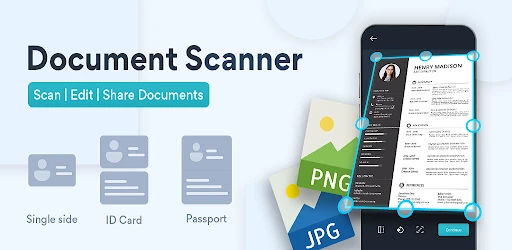

In today’s rapidly advancing digital landscape, document scanners have become a vital tool for both individuals and organizations seeking to streamline their workflows. The traditional process of managing paper documents — filing, storing, and retrieving — has long been time-consuming and prone to errors. Document scanners have revolutionized this system by allowing paper documents to be converted into digital formats, ensuring greater efficiency, accessibility, and data security. This transition not only supports a paperless environment but also empowers businesses to integrate their data into digital platforms like cloud systems and document management software.
From small desktop scanners to advanced multifunctional devices equipped with Optical Character Recognition (OCR) and Artificial Intelligence (AI), the evolution of document scanning technology has transformed how information is processed and utilized. As a result, the modern scanner has become more than just a digitizing tool—it’s now a critical component in digital transformation strategies across industries, from healthcare and education to finance and government.
What Is a Document Scanner and How Does It Work?
A document scanner is an electronic device that captures images of physical documents and converts them into digital files, typically in formats such as PDF, JPEG, or TIFF. The device uses sensors to detect and record the light and color from the original document, creating a high-resolution digital copy. Once scanned, the document can be stored, shared, and edited electronically, eliminating the need for physical storage. This process significantly enhances productivity and accessibility, especially in data-driven environments.
The core functionality of a scanner lies in its ability to work seamlessly with software. Modern scanners are often integrated with OCR (Optical Character Recognition) systems that recognize printed or handwritten text within scanned documents. This feature allows the text to be searchable, editable, and indexable, thereby improving data retrieval efficiency. Many advanced scanners also support wireless connectivity, allowing users to scan documents directly to cloud services like Google Drive, Dropbox, or Microsoft OneDrive.
Types of Document Scanners
Document scanners come in various forms, each designed to meet specific needs. The flatbed scanner is the most common type, ideal for scanning books, photos, and delicate documents. It offers high image quality but operates at a slower pace. Sheet-fed scanners, on the other hand, are built for speed and are perfect for scanning large volumes of documents quickly. Businesses often use these for bulk digitization projects.
Portable scanners have gained popularity among professionals who work remotely or travel frequently. These lightweight devices allow users to scan documents anytime, anywhere, and instantly save them on mobile devices. Additionally, multifunction printers (MFPs) now incorporate scanning features, making them versatile tools in modern offices. Specialized scanners such as 3D scanners, barcode scanners, and receipt scanners have also become essential for niche applications, expanding the scope of scanning technology beyond standard documentation.
The Role of OCR and AI in Modern Scanning Technology
Optical Character Recognition (OCR) has revolutionized the way digital documents are processed. Instead of storing a scanned image as a static file, OCR enables the extraction of readable and editable text from the scanned document. This means users can search for specific words or phrases within a file, improving efficiency and accuracy in information management.
Artificial Intelligence (AI) further enhances this process by recognizing complex layouts, handwritten notes, and multi-language documents with high precision. AI-powered scanners can automatically categorize documents, detect duplicates, and even recognize document types (such as invoices, contracts, or ID cards). This integration of AI and OCR allows businesses to automate document handling, significantly reducing manual labor and the risk of human error. Together, OCR and AI form the foundation of intelligent document processing systems that drive automation in both personal and professional environments.
Benefits of Using Document Scanners
The benefits of using document scanners extend far beyond convenience. One of the most significant advantages is efficiency—scanning documents eliminates the need for manual filing and retrieval, saving valuable time. Digital files can be organized, searched, and accessed instantly, enabling faster decision-making and improved collaboration.
Another major benefit is data security. Physical documents are vulnerable to damage, theft, and loss. By digitizing them, organizations can store critical information securely in encrypted databases or cloud systems. Scanners also promote sustainability by reducing paper consumption, aligning with eco-friendly business practices. Additionally, businesses can enhance their compliance with legal and regulatory requirements through secure digital archiving, audit trails, and data backup systems. Overall, document scanners play a pivotal role in enhancing productivity, reducing operational costs, and promoting a cleaner, greener environment.
Applications of Document Scanners Across Industries
Document scanners are used across multiple sectors, each benefiting from their versatility and reliability. In healthcare, scanners digitize patient records, prescriptions, and insurance documents, ensuring instant access to medical histories and improving patient care. Financial institutions use scanners to manage client forms, loan documents, and compliance records securely. Similarly, educational institutions utilize scanning technology to store academic records, research materials, and administrative files digitally.
Government agencies and legal firms rely on document scanning to preserve records, contracts, and historical archives in secure digital formats. In the corporate world, document scanners streamline business operations by integrating with enterprise resource planning (ERP) and customer relationship management (CRM) systems. Even in small businesses, scanners play a crucial role in managing invoices, receipts, and correspondence efficiently. The universal application of scanning technology makes it a cornerstone of digital transformation across sectors.
Document Security and Data Privacy in Scanning
As the adoption of document scanners increases, data security has become a critical concern. Scanning sensitive documents requires strong encryption and access control mechanisms to prevent unauthorized access. Advanced scanning solutions often incorporate features such as password protection, digital signatures, and secure cloud transmission to safeguard confidential data.
Moreover, compliance with global privacy standards like the General Data Protection Regulation (GDPR) and HIPAA is essential when handling personal or sensitive information. Modern document management systems enable organizations to track who accessed or modified a document, ensuring transparency and accountability. By combining secure scanning technology with best practices in cybersecurity, organizations can protect their digital assets from threats while maintaining data integrity and trust.
The Future of Document Scanning Technology
The future of document scanning is being shaped by artificial intelligence, machine learning, and cloud innovation. We are witnessing the rise of AI-driven document intelligence, where scanners not only digitize but also understand the content they capture. This includes features like automatic tagging, smart indexing, and predictive document classification.
The next generation of scanners will likely integrate with blockchain for secure recordkeeping, ensuring tamper-proof and verifiable data storage. Cloud-based scanning is also becoming the standard, allowing real-time collaboration and document sharing across global teams. As businesses continue to embrace automation and remote work, document scanning technology will remain an essential enabler of digital efficiency and smart workflows.
Conclusion: Bridging the Gap Between Paper and Digital
The journey of document scanners—from basic image capture devices to AI-powered digital transformation tools—reflects the broader shift toward intelligent automation. These machines have evolved into indispensable components of modern business infrastructure, enabling seamless transitions between paper-based and digital processes.
By embracing document scanning, organizations not only enhance operational efficiency but also contribute to environmental sustainability and data security. As technology continues to advance, document scanners will play an even greater role in shaping how information is stored, shared, and managed in the digital world. Whether for personal use, business operations, or large-scale enterprise systems, document scanners stand as the silent yet powerful force driving humanity toward a more efficient and paperless future.
























Sign in to leave a comment.