Choosing the right college is not just about selecting a course—it’s also about understanding the costs involved. When it comes to technical education, many students and parents often wonder what exactly makes up the Polytechnic Fee Structure and why fees differ from one institute to another. Understanding these costs helps you make informed decisions and plan your education budget effectively.
A Polytechnic Fee Structure is more than just tuition; it represents the investment you’re making in your future skills, hands-on training, and employability. Let’s break it down clearly so you know what you’re really paying for.
1. Understanding the Polytechnic Fee Structure
A Polytechnic Fee Structure usually includes multiple components—each serving a specific academic or infrastructural purpose. Whether you are joining a government or private polytechnic institute, the total fees are designed to cover both educational and operational costs.
Here’s what a typical polytechnic fee package includes:
- Tuition Fees: The core cost of classroom teaching, labs, and faculty guidance.
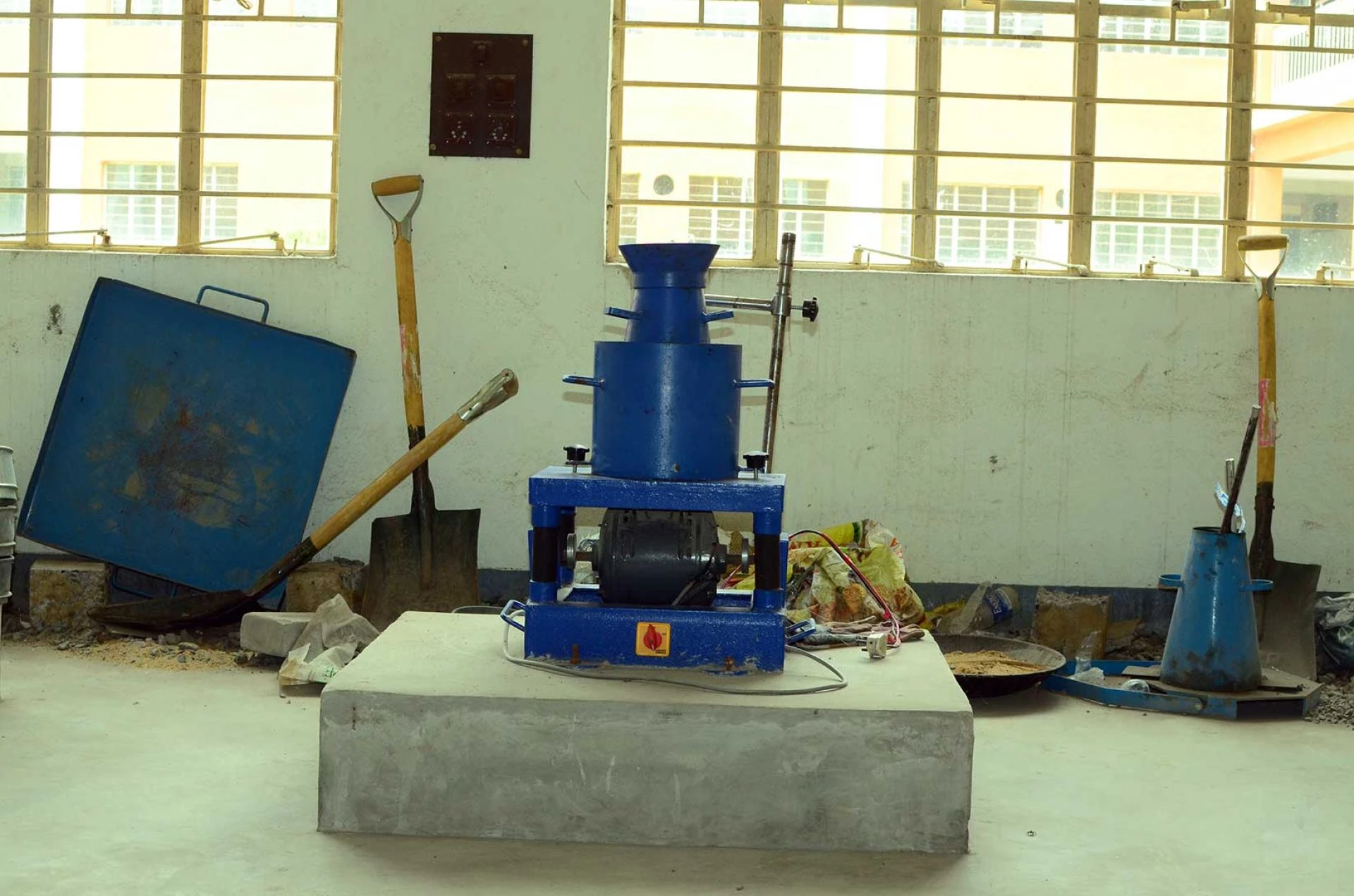
- Laboratory & Workshop Fees: Funds used for practical training sessions, lab maintenance, and consumables.
- Library Fees: Covers access to textbooks, journals, and e-resources.
- Examination Fees: Charged per semester or annually to manage assessment and evaluation.
- Development Fees: Used to upgrade infrastructure, technology, and campus facilities.
- Hostel & Mess Fees (Optional): For accommodation and meals if you stay on campus.
- Miscellaneous Charges: Includes student welfare, internet, ID cards, and co-curricular activities.
Each of these components contributes to a comprehensive educational experience that blends theory with real-world application.
2. Government vs. Private Polytechnic Fee Structure
The biggest difference in the Polytechnic Fee Structure comes down to the type of institution—government or private.
Government Polytechnic Institutes
- Generally have lower tuition fees due to state or central government subsidies.
- Offer reduced charges for lab, library, and examination.
- Provide scholarships and fee concessions for students from economically weaker sections.
- Average annual fees: ₹5,000 – ₹25,000 (depending on the state and course).
Private Polytechnic Institutes
- Usually charge higher fees due to advanced infrastructure, technology, and industry partnerships.
- Include modern labs, placement training, and digital classrooms as part of the package.
- Offer installment payment options or education loans to support affordability.
- Average annual fees: ₹30,000 – ₹1,00,000 or more.
Both types of institutions offer value—but your choice should depend on your budget, course preference, and long-term career goals.
3. Factors That Influence Polytechnic Fee Structure
The total cost of studying at a polytechnic depends on several dynamic factors:
- Course Type: Engineering courses like Mechanical or Electrical may have higher lab and equipment costs compared to fields like Business Administration.
- Location: Urban campuses often have higher operational costs than rural ones.
- Affiliation & Accreditation: Reputed or autonomous institutes may charge more due to advanced facilities and brand value.
- Duration: Diploma courses usually span 2 to 3 years, impacting total fees.
- Industry Integration: Institutes with corporate tie-ups or placement cells may include training and internship costs within the fee.
Understanding these elements ensures that students know what they are paying for—and why.
4. How Polytechnic Fees Are an Investment in Your Career
While the Polytechnic Fee Structure may seem like a big financial commitment, it’s important to view it as an investment in employability and skill development. Polytechnic education focuses on practical, career-ready learning that opens up diverse job opportunities in engineering, IT, manufacturing, and design.
Here’s what your fees contribute toward:
- Hands-on Technical Skills – Access to workshops, equipment, and software tools.
- Industry Exposure – Internships, seminars, and field training sessions.
- Professional Development – Soft skills, communication training, and project management experience.
- Career Support – Placement assistance and job readiness programs.
This blend of academic and practical training significantly increases your chances of landing a high-paying job or even starting your own business.
5. Financial Aid, Scholarships, and Fee Waivers
To ensure accessibility, many polytechnic institutes and government bodies offer scholarships and fee waiver programs. These are based on:
- Merit: For students with outstanding academic performance.
- Financial Need: For those from low-income families.
- Reserved Categories: As per state or national government policies (SC/ST/OBC).
- Special Schemes: For female students or differently-abled candidates.
Always check your institute’s website or AICTE’s (All India Council for Technical Education) official portal for the latest scholarship updates. These opportunities can significantly reduce your overall financial burden.
6. Tips for Managing Polytechnic Fees Effectively
Here are a few smart strategies to manage your finances while studying at a polytechnic:
- Compare Institutes: Research multiple colleges to find the most transparent and affordable fee structure.
- Use Education Loans Wisely: Many banks offer low-interest loans for technical education.
- Apply for Early-Bird Discounts: Some private institutes provide concessions for early admissions.
- Track Payment Schedules: Avoid late payment fines by staying organized.
- Save on Living Costs: Choose off-campus accommodation or shared housing if hostel fees are high.
Planning your finances well ensures you can focus on learning, not financial stress.
Conclusion
The Polytechnic Fee Structure is more than just a number—it’s a reflection of the quality, facilities, and opportunities an institute provides. When broken down, every component of the fee supports your academic growth, technical expertise, and professional readiness.
By understanding what you’re paying for, exploring scholarships, and choosing the right institute, you can make an informed decision that balances affordability with career value. After all, the real return on your investment in a polytechnic education is not just a diploma—it’s a future filled with skill, confidence, and success.




























Sign in to leave a comment.