
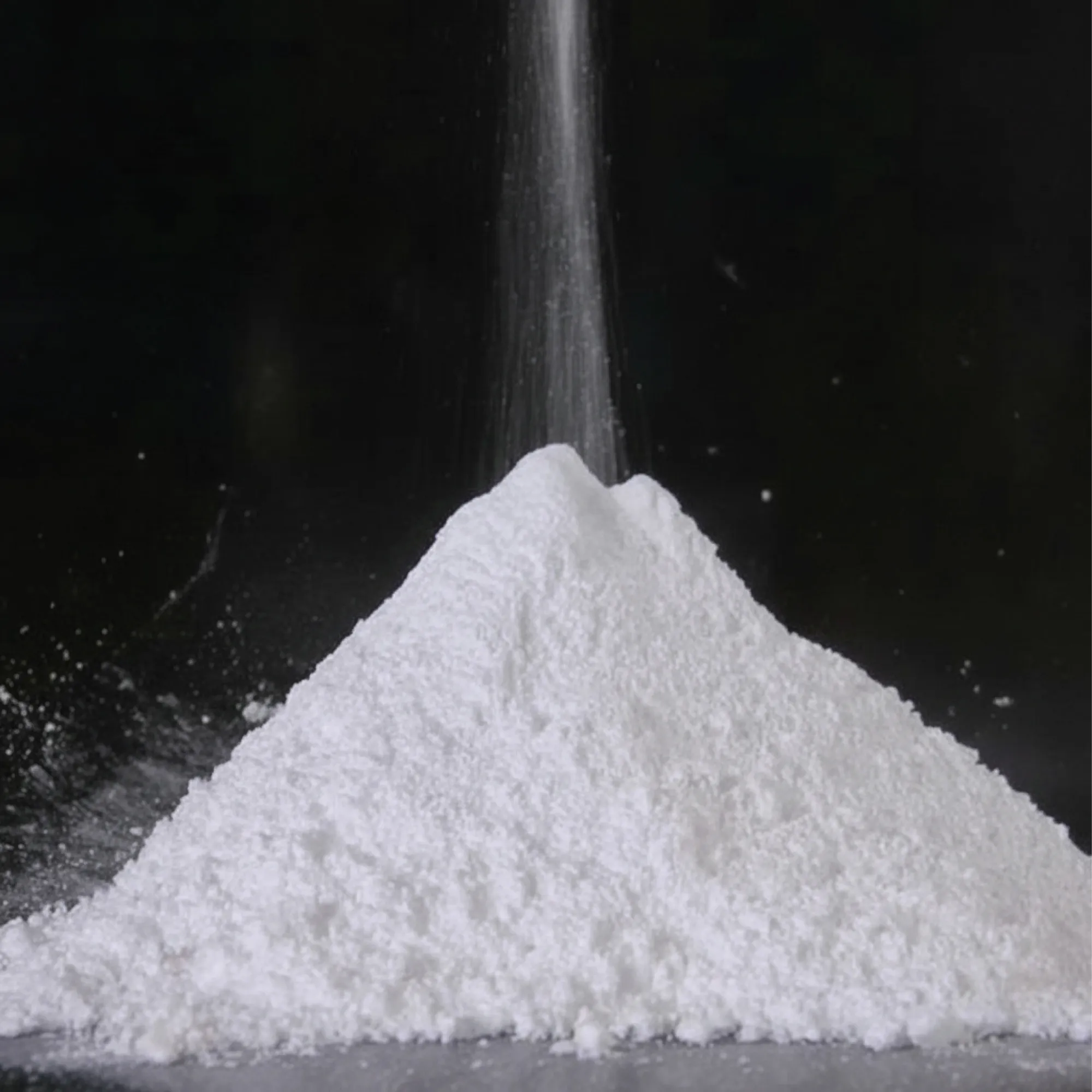
Polyvinyl alcohol (PVA) is a synthetic polymer known for its versatility and unique properties, such as film-forming, adhesive, and emulsifying capabilities. While PVA is available in various forms, including films, fibers, and solutions, polyvinyl alcohol powder is particularly significant due to its ease of handling, storage, and application in different industries. This article delves into the properties, applications, benefits, and future prospects of polyvinyl alcohol powder.
Properties of Polyvinyl Alcohol Powder
Polyvinyl alcohol powder is a white, water-soluble, and biodegradable polymer. Some of its key properties include:
- Solubility: PVA powder is highly soluble in water, forming a clear solution. The solubility can be adjusted by controlling the degree of hydrolysis and the molecular weight of the polymer.
- Film Formation: PVA can form strong, flexible films with excellent mechanical properties.
- Adhesive Properties: It exhibits strong adhesive properties, making it ideal for use in various adhesives and coatings.
- Barrier Properties: PVA provides good barrier properties against gases like oxygen and carbon dioxide, which is crucial for food packaging applications.
- Biodegradability: PVA is partially biodegradable, making it an environmentally friendly alternative to many synthetic polymers.
Synthesis of Polyvinyl Alcohol Powder
Polyvinyl alcohol powder is produced through the polymerization of vinyl acetate monomer, followed by hydrolysis. The process can be summarized in two main steps:
- Polymerization of Vinyl Acetate: Vinyl acetate is polymerized using free-radical initiators to form polyvinyl acetate (PVAc).
n CH2=CHOCOCH3→[-CH2−CHOCOCH3]ntext{n CH}_2=text{CHOCOCH}_3 rightarrow text{[-CH}_2-text{CHOCOCH}_3text{]}_text{n}n CH2=CHOCOCH3→[-CH2−CHOCOCH3]n
- Hydrolysis of Polyvinyl Acetate: The PVAc undergoes hydrolysis in the presence of a catalyst (such as sodium hydroxide) to produce polyvinyl alcohol and acetic acid.
[-CH2−CHOCOCH3]n+NaOH→[-CH2−CHOH-]n+CH3COONatext{[-CH}_2-text{CHOCOCH}_3text{]}_text{n} + text{NaOH} rightarrow text{[-CH}_2-text{CHOH-]}_text{n} + text{CH}_3text{COONa}[-CH2−CHOCOCH3]n+NaOH→[-CH2−CHOH-]n+CH3COONa
The degree of hydrolysis can be controlled to tailor the properties of PVA, making it suitable for various applications.
Applications of Polyvinyl Alcohol Powder
Polyvinyl alcohol powder finds applications across a wide range of industries due to its versatility and unique properties:
- Adhesives: PVA powder is widely used in the production of adhesives due to its strong adhesive properties and water solubility. It is a key component in white glues, wood glues, and paper adhesives.
- Textiles: In the textile industry, PVA powder is used as a sizing agent to strengthen yarns and fabrics. It provides a protective coating that improves the weaving efficiency and the quality of the final textile products.
- Paper: PVA is used in the paper industry as a binder and coating agent. It enhances the strength, gloss, and printability of paper products.
- Pharmaceuticals: In the pharmaceutical industry, PVA powder is used in the formulation of tablets, as a coating agent, and in controlled-release drug delivery systems. Its biocompatibility and non-toxicity make it suitable for medical applications.
- Food Packaging: PVA powder is used to produce biodegradable packaging films with excellent barrier properties against gases and moisture. This helps extend the shelf life of food products while reducing environmental impact.
- Construction: PVA powder is used as an additive in cement and mortar to improve their mechanical properties and water resistance. It enhances the flexibility, adhesion, and durability of construction materials.
- Cosmetics: In the cosmetics industry, PVA powder is used as a film-forming agent, thickener, and stabilizer. It is found in products such as facial masks, hair sprays, and lotions.
Benefits of Polyvinyl Alcohol Powder
Polyvinyl alcohol powder offers several benefits that make it a preferred choice in various applications:
- Versatility: PVA powder can be easily dissolved in water to form solutions of different concentrations, making it adaptable for various uses.
- Ease of Handling: The powder form of PVA is easy to transport, store, and handle, providing convenience in industrial processes.
- Environmental Friendliness: PVA powder is partially biodegradable and can be used in eco-friendly applications, such as biodegradable packaging and green adhesives.
- Non-toxicity: PVA is non-toxic and safe for use in food packaging, pharmaceuticals, and cosmetics, ensuring consumer safety.
- Cost-Effectiveness: PVA powder is cost-effective compared to other high-performance polymers, providing a balance between performance and cost.
Environmental Impact of Polyvinyl Alcohol Powder
Polyvinyl alcohol powder offers several environmental benefits, making it an attractive choice for sustainable applications:
- Biodegradability: PVA powder is partially biodegradable under specific conditions, reducing its environmental impact compared to non-biodegradable synthetic polymers.
- Reduced Plastic Waste: The use of PVA in biodegradable packaging helps reduce plastic waste, contributing to environmental sustainability.
- Recyclability: PVA can be recycled through chemical processes, promoting circular economy practices and reducing the environmental footprint of packaging materials.
Challenges and Future Prospects
While polyvinyl alcohol powder offers numerous benefits, there are also challenges that need to be addressed for its broader adoption:
- Water Sensitivity: The high water solubility of PVA can be a limitation in applications where moisture resistance is crucial. Research is ongoing to develop PVA-based materials with enhanced moisture resistance.
- Thermal Stability: PVA’s thermal stability is moderate, which can be a limiting factor in high-temperature applications. Modifications and blending with other materials are being explored to improve its thermal stability.
- Cost: While PVA is cost-effective, the production costs can still be higher than some traditional materials. Efforts are being made to optimize production processes and develop cost-effective formulations.
Despite these challenges, the future prospects for polyvinyl alcohol powder are promising. Research and development efforts are focused on enhancing its properties and expanding its applications:
- Advanced Composites: Developing PVA composites with superior properties for high-performance applications in industries such as aerospace, automotive, and electronics.
- Biomedical Applications: Exploring advanced biomedical applications of PVA, including tissue engineering scaffolds, drug delivery systems, and bioresorbable implants.
- Sustainable Packaging: Innovating PVA-based sustainable packaging solutions with improved barrier properties, biodegradability, and environmental sustainability.
Conclusion
Polyvinyl alcohol powder is a versatile and environmentally friendly polymer with a wide range of applications in various industries. Its unique properties, including water solubility, biodegradability, and strong adhesive capabilities, make it a valuable material for adhesives, textiles, pharmaceuticals, food packaging, construction, and cosmetics. Despite challenges related to water sensitivity and thermal stability, ongoing research and development efforts are expected to enhance the properties and applications of PVA powder, making it a crucial material for sustainable and high-performance applications in the future. As industries continue to seek eco-friendly and cost-effective solutions, polyvinyl alcohol powder is poised to play a significant role in meeting these demands.

























Sign in to leave a comment.