
A clean and properly balanced swimming pool provides more than an attractive backyard feature. It creates a comfortable environment where swimmers can relax, exercise, and enjoy recreational activities with greater confidence. Consistent pool maintenance helps control water quality, protect equipment, and reduce the accumulation of unwanted contaminants. When homeowners establish a dependable care routine, they can identify problems before they become expensive repairs. Regular attention also supports clearer water and helps maintain surfaces, filters, pumps, and other essential components throughout the swimming season.
Maintaining Proper Water Balance
Water chemistry plays a central role in maintaining a healthy swimming environment. Pool owners should regularly test pH, alkalinity, and sanitizer levels to determine whether adjustments are necessary. Water that becomes too acidic or too alkaline can cause discomfort for swimmers while potentially damaging pool surfaces and equipment. Properly balanced water also allows sanitizers to work more effectively. Testing should be performed consistently, particularly during periods of frequent swimming, heavy rainfall, or unusually warm weather. Keeping accurate records can help identify recurring changes and make future adjustments easier.
Checking Sanitizer Levels Regularly
Sanitizers help control bacteria, algae, and other unwanted organisms that can affect swimming water. Chlorine is commonly used, although other sanitation systems may also be available for different pool designs. Sanitizer levels should be tested according to the requirements of the selected system and adjusted when readings fall outside recommended ranges. Swimmers, weather conditions, debris, and sunlight can all influence sanitizer levels. Consistent testing helps prevent water from becoming cloudy or unpleasant. A reliable sanitation routine also contributes to a cleaner environment for everyone using the pool.
Keeping the Pool Free From Debris
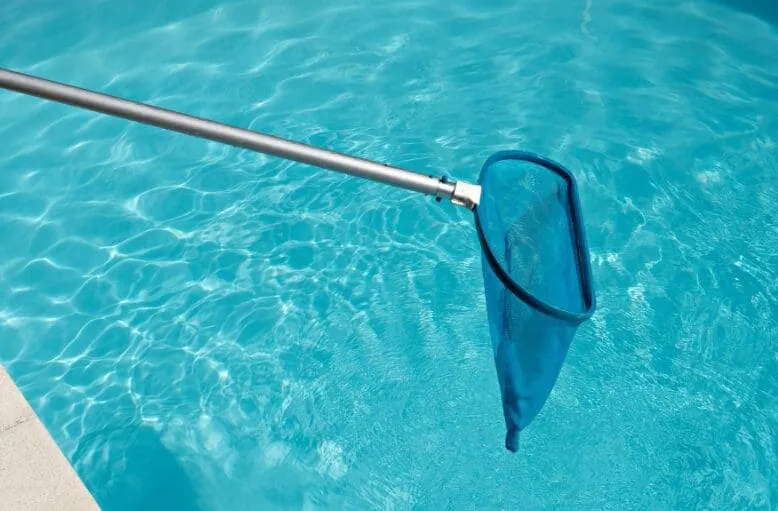
Leaves, grass, insects, dirt, and other outdoor debris can enter a swimming pool throughout the day. Removing these materials regularly prevents them from breaking down in the water and creating additional cleaning challenges. A skimmer net can be used to collect floating debris, while the pool floor and walls should receive attention during routine cleaning. Debris can also place additional demands on filtration equipment when allowed to accumulate. Frequent surface cleaning is therefore an important part of keeping the water visually appealing and reducing unnecessary strain on the circulation system.
Cleaning Pool Surfaces
Pool surfaces can gradually collect dirt, oils, algae, and mineral deposits even when the water appears relatively clear. Brushing the walls, steps, corners, and floor helps loosen buildup before it becomes difficult to remove. The appropriate brush should be selected according to the pool surface to avoid unnecessary damage. Areas with limited water circulation may require additional attention because contaminants can accumulate more quickly there. Regular brushing also supports effective filtration by placing loosened particles into circulation. A consistent cleaning schedule can make the overall maintenance process easier and more manageable.
Vacuuming the Pool Floor
Vacuuming removes particles that settle beneath the water surface and cannot be collected easily with a skimmer. Sand, dust, small leaves, and other debris can gradually accumulate on the pool floor, affecting both appearance and water quality. Pool owners should vacuum according to how quickly debris collects in their particular environment. Automated cleaners can provide additional convenience, while manual equipment may be useful for targeted cleaning. Careful vacuuming helps reduce the amount of material entering the filtration system and supports a cleaner swimming environment throughout the season.
Maintaining the Filtration System
The filtration system is responsible for removing suspended particles from circulating pool water. A properly functioning filter allows water to pass through a cleaning medium before returning to the pool. Filters should be inspected and cleaned according to their specific requirements, since different systems have different maintenance procedures. Ignoring a filter for too long can reduce circulation and make the water increasingly difficult to keep clear. Pool owners should also pay attention to unusual pressure readings, reduced water flow, or visible signs of wear that could indicate a developing problem.
Inspecting the Pool Pump
The pump keeps water moving through the circulation and filtration system. Without adequate circulation, chemicals may distribute unevenly, debris may settle more quickly, and certain areas can become difficult to keep clean. Pool owners should periodically inspect the pump for unusual sounds, leaks, vibrations, or changes in performance. The surrounding area should remain clear so that the equipment can operate properly and receive sufficient ventilation when required. Addressing small performance changes promptly can help prevent larger equipment problems and may extend the useful life of the circulation system.
Managing Pool Water Levels
Water levels naturally change because of evaporation, splashing, rainfall, and routine cleaning. Maintaining an appropriate level is important because the skimmer and circulation system depend on sufficient water flow. If the water becomes too low, the pump may not operate as intended, potentially creating equipment concerns. Excessively high water levels can also interfere with efficient skimming. Pool owners should check the water level regularly and make adjustments when necessary. Significant or unexplained water loss should receive additional attention because it may indicate a leak that requires professional evaluation.
Watching for Algae Growth
Algae can develop when water chemistry, circulation, cleaning, or sanitation becomes inadequate. Early signs may include green, yellow, or dark discoloration on surfaces or changes in water clarity. Prompt action can prevent algae from spreading throughout the pool and becoming more difficult to remove. Regular brushing, filtration, sanitation, and water testing can help reduce favorable conditions for algae growth. Pool owners should pay particular attention after extended periods of warm weather or when the pool has received limited circulation. Consistency is generally more effective than waiting until visible algae becomes widespread.
Cleaning Pool Accessories
Pool accessories can collect dirt, body oils, sunscreen residue, and other contaminants over time. Ladders, steps, handrails, floating equipment, covers, and other frequently touched items should therefore be included in routine cleaning. These components can affect the overall appearance and cleanliness of the swimming area even when the water itself looks clear. Accessories should be cleaned using methods appropriate for their materials to prevent premature deterioration. Keeping commonly used equipment clean also supports a more pleasant swimming experience and reduces the opportunity for contaminants to remain around areas frequently touched by swimmers.
Caring for the Pool Cover
A pool cover can help limit debris accumulation and reduce evaporation when the pool is not being used. However, the cover itself requires regular attention. Leaves, dirt, standing water, and other materials should be removed carefully to prevent them from eventually entering the pool. Pool owners should inspect the cover for tears, weakened areas, damaged hardware, or other signs of deterioration. A properly maintained cover can provide useful protection while also reducing the amount of cleaning required. Safe handling and correct storage are equally important when the cover is removed for swimming.
Paying Attention to Pool Surroundings
The area surrounding a swimming pool can have a direct effect on water cleanliness. Grass clippings, soil, leaves, dust, and other materials can easily be carried into the pool by wind, rain, pets, or swimmers. Keeping nearby landscaping trimmed and outdoor surfaces reasonably clean can reduce the amount of debris entering the water. Pool owners should also encourage swimmers to rinse off before entering, particularly after using lotions or spending time outdoors. Simple habits around the pool can complement regular cleaning and help maintain better water quality between maintenance sessions.
Creating a Consistent Maintenance Schedule
A maintenance schedule makes it easier to manage the many tasks required to keep a swimming pool in good condition. Daily or frequent tasks may include checking water appearance, removing debris, and observing equipment operation. Weekly responsibilities can include brushing surfaces, testing chemistry more thoroughly, inspecting equipment, and cleaning certain components. Monthly tasks may involve deeper inspections and additional equipment care. The exact schedule can vary according to pool size, usage, weather, and equipment. Consistency remains important because small maintenance tasks are generally easier to manage than accumulated problems.
Recognizing When Professional Assistance Is Needed
Some pool problems can be handled through routine homeowner care, while others require specialized knowledge or equipment. Persistent cloudy water, recurring algae, unexplained water loss, equipment failures, electrical concerns, damaged plumbing, and unusual chemical readings may indicate issues that should receive professional attention. Attempting complicated repairs without appropriate experience can create additional damage or safety concerns. Professional inspections can also help identify developing problems that may not be immediately visible. Knowing when to seek assistance allows pool owners to maintain their swimming environment while avoiding unnecessary risks and costly mistakes.
Maintaining a Healthier Swimming Environment
A healthier swimming environment depends on several connected maintenance practices rather than a single cleaning task. Balanced water chemistry, effective sanitation, proper circulation, clean surfaces, functional filtration, and regular debris removal all contribute to better pool conditions. Pool owners who follow a consistent routine can often identify changes early and respond before problems become more serious. Good maintenance also protects the investment represented by the pool and its equipment. By treating maintenance as an ongoing responsibility rather than an occasional chore, homeowners can enjoy cleaner water and a more comfortable swimming experience.
Conclusion
A well maintained swimming pool can provide years of enjoyment when homeowners give appropriate attention to water quality, sanitation, circulation, cleaning, and equipment condition. Regular inspections and consistent care can reduce common problems while supporting a cleaner and more inviting recreational space. Every pool has different requirements based on its design, usage, environment, and equipment, so maintenance routines should be adjusted accordingly. When professional guidance is needed, Allstar Pool Company LLC can help homeowners address their pool care needs and work toward a healthier, more enjoyable swimming environment.
























Sign in to leave a comment.