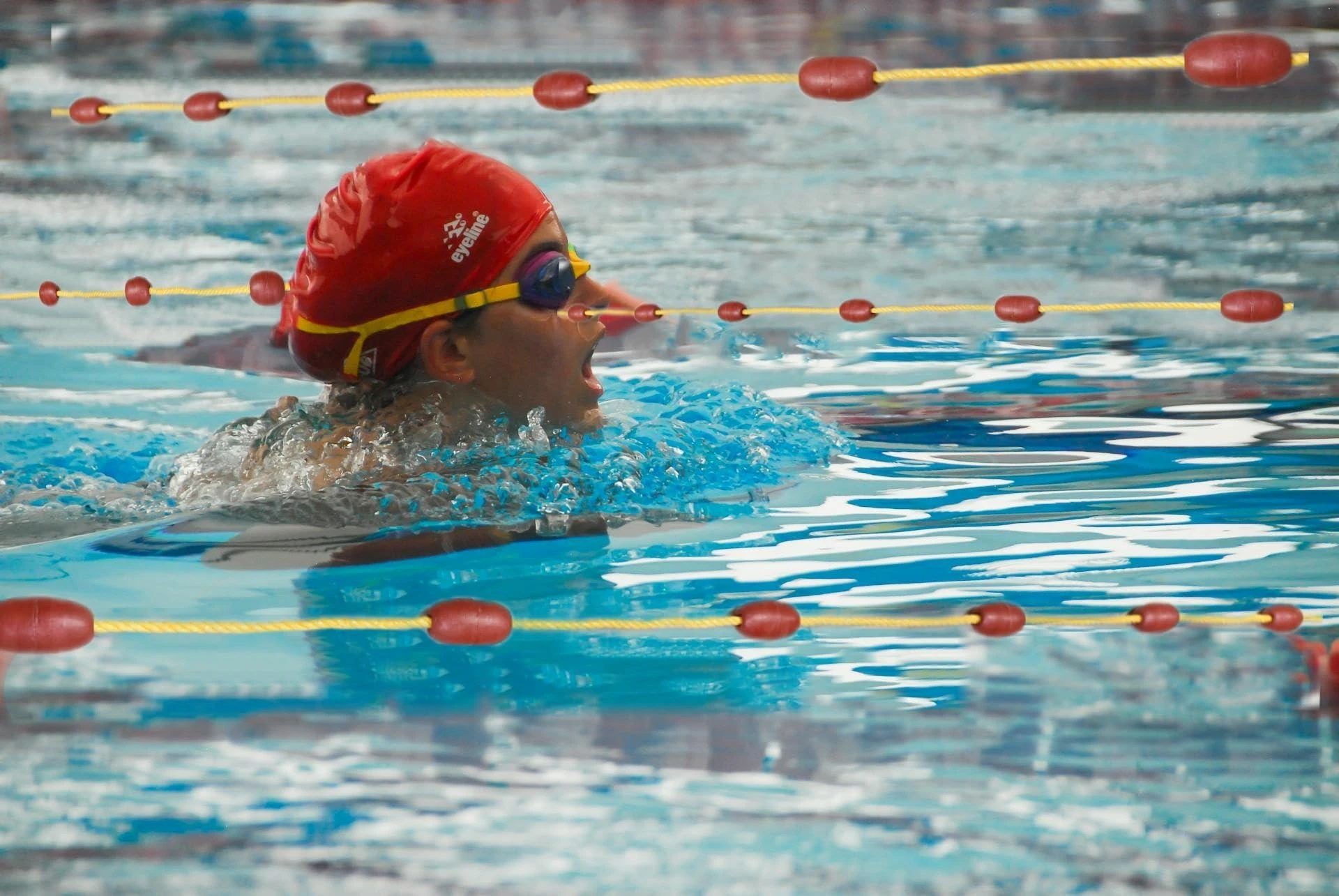
A pool lane is a specially marked section in a swimming pool designed to help swimmers move in a straight line without bumping into others. It might look like a simple floating rope with colored dividers, but in reality, it plays a very important role in swimming. Whether you are a beginner learning to swim, a professional athlete training for competitions, or just someone enjoying a swim for fitness, a pool lane can make a big difference in your experience. It helps organize the pool, improves safety, and ensures that everyone gets to enjoy their time in the water peacefully.
In this article, we will explore everything about pool lanes — their importance, types, design, benefits, and more. We will also look at how pool lanes make swimming more enjoyable and efficient for all kinds of swimmers. By the end of this article, you will understand why pool lanes are an essential part of any swimming pool setup and how they enhance both safety and performance.
What Is a Pool Lane and How It Works
A Pool Lane is a section in a swimming pool separated by lane ropes or floating dividers that guide swimmers in a straight path. These ropes are not just for decoration; they serve a very practical purpose. Each lane allows one or two swimmers to move back and forth without interference. The ropes usually have small floating discs, which reduce waves and turbulence created by swimmers. This helps maintain smooth water flow, making it easier to swim efficiently.
In most professional or training pools, there are multiple pool lanes side by side. Each lane is typically around 2.5 meters wide and 25 or 50 meters long, depending on the size of the pool. The lines painted on the bottom of the pool help swimmers maintain direction while swimming. The lane ropes also have different colors near the ends to signal turns.
Pool lanes help maintain order in busy pools, especially during training sessions or swimming competitions. Without lanes, swimmers might crash into each other or get distracted by waves. By dividing the pool into lanes, everyone gets their own space to swim comfortably. This system makes swimming smoother, safer, and more enjoyable for everyone, from beginners to experts.
Why Pool Lanes Are Important for Safety
Safety is one of the biggest reasons why pool lanes are important. When a pool is full of swimmers, it can get crowded very quickly. Without clear lane divisions, people can swim in random directions, increasing the risk of collisions or accidents. Pool lanes solve this problem by organizing the water space and guiding everyone in specific directions.
Pool lanes also help lifeguards keep track of swimmers more easily. Each lane allows lifeguards to focus on smaller sections of the pool, making it easier to spot anyone who might be struggling. In competitive settings, lanes also ensure fair play. Every swimmer gets an equal space, so there’s no pushing or interference.
For children or beginners learning to swim, pool lanes are especially helpful. They create a controlled environment where new swimmers can feel secure and confident. The clear divisions also prevent stronger swimmers from splashing water onto others, reducing stress and increasing comfort.
Overall, pool lanes make swimming safer, more organized, and more enjoyable. They minimize accidents, control crowding, and help lifeguards maintain a safe environment for everyone in the pool.
Different Types of Pool Lanes Used Today
There are several types of pool lanes used depending on the purpose of the pool. Each type is designed to serve a specific need — from casual swimming to professional training and competition.
- Training Lanes – These lanes are designed for swimmers who are practicing daily. The ropes used here are sturdy and help minimize wave interference.
- Competition Lanes – Used in swimming competitions, these lanes follow strict international standards. They are designed to reduce drag and water turbulence, providing fair and consistent conditions for all swimmers.
- Recreational Lanes – These lanes are used in public or hotel pools where casual swimmers enjoy swimming without strict rules.
- Lap Lanes – These lanes are meant for people who swim laps for exercise or fitness. The ropes are often placed to keep the lanes narrow and focused.
- Children’s Lanes – For young swimmers, smaller lanes are created for safety and comfort.
Each lane type is made from different materials and designed for specific purposes. The ropes are usually made from durable plastic or polyethylene that resists sunlight and chlorine damage. The design also includes wave-reducing discs that spin slightly when hit by waves, breaking them down and maintaining calm water.
Knowing the different types of pool lanes helps swimming pool managers choose the right setup for their space, ensuring maximum safety and performance for swimmers.
How Pool Lanes Improve Swimming Performance
A pool lane does more than just separate swimmers — it directly improves performance. When the water is calmer, swimmers can move more efficiently, conserving energy and maintaining a steady rhythm. This is especially important for professional swimmers who need to focus on technique, breathing, and timing.
The wave-breaking design of lane ropes prevents turbulence, keeping the water surface smooth. This allows swimmers to maintain their form and reduce drag, which can make a huge difference in speed and endurance. Additionally, the clear lines on the bottom of the pool help swimmers stay straight and avoid zigzag movement, saving both energy and time.
During training, pool lanes also allow coaches to monitor each swimmer’s progress separately. Swimmers can focus without distractions, leading to more productive practice sessions. Even recreational swimmers benefit because they can swim in a straight, uninterrupted path without worrying about bumping into others.
For beginners, pool lanes create a sense of structure and discipline. They help swimmers develop rhythm, improve strokes, and build confidence in the water. Over time, swimming in a lane becomes natural and helps individuals achieve their fitness or performance goals faster.
Maintenance and Care of Pool Lanes
To keep pool lanes in good condition, regular maintenance is very important. Since lane ropes are exposed to water, sunlight, and chlorine every day, they can wear out over time. Proper care ensures that they remain functional, safe, and effective.
Pool staff should check lane ropes regularly for cracks, broken discs, or loose connections. The ropes should be cleaned to remove algae, dirt, or chemical buildup. Chlorine-resistant materials help extend the lifespan, but routine inspection is still necessary.
When not in use, lane ropes should be carefully removed and stored in a dry, shaded area. Rolling them onto special reels prevents tangling and damage. Pool operators should also ensure that the lane anchors — the hooks or points that hold the ropes — are strong and rust-free.
Maintaining pool lanes is not just about appearance. Damaged or poorly maintained lanes can cause safety issues and create uneven wave patterns, affecting the swimming experience. Regular cleaning and replacement, when needed, keep the pool safe, organized, and pleasant for everyone.
The Future of Pool Lane Technology
The world of pool lane design is also evolving with technology. Modern lanes are now designed with advanced materials and engineering to further reduce water turbulence. Some lanes use special anti-wave systems that break down waves before they reach the next swimmer, providing a smoother surface.
Smart pool lanes are also being developed for high-end training facilities. These include sensors that can track swimmer speed, count laps, and measure stroke rates. Such innovations are transforming how athletes train and improving the overall swimming experience.
In some new designs, eco-friendly materials are used to make pool lanes more sustainable and long-lasting. Recycled plastics and UV-resistant coatings are becoming more common. Additionally, new color patterns help swimmers better identify lane ends, improving both performance and safety.
The future of pool lanes looks promising, with more innovation and focus on sustainability. These improvements will not only make swimming faster and safer but also more environmentally friendly. With time, every swimming pool will benefit from these smart and advanced pool lane technologies.
Conclusion
A pool lane might seem like a simple part of a swimming pool, but it plays a major role in organizing, protecting, and enhancing the swimming experience. It ensures safety, improves performance, and makes swimming more enjoyable for everyone. Whether you are swimming for fun, fitness, or competition, pool lanes provide structure and support that help you focus on your goals.
From design and maintenance to advanced technology, pool lanes continue to evolve with time. They keep swimming pools safer, cleaner, and more efficient. No matter where you swim — a public pool, gym, or training center — pool lanes are an essential part of a smooth and satisfying swimming experience.
Questions and Answers
Q1. What is the main purpose of a pool lane?
A pool lane helps divide the pool into separate sections, ensuring safety, order, and smooth swimming for everyone.
Q2. Why are pool lanes important in competitions?
They ensure each swimmer has an equal and fair space, reducing interference and improving performance accuracy.


























Sign in to leave a comment.