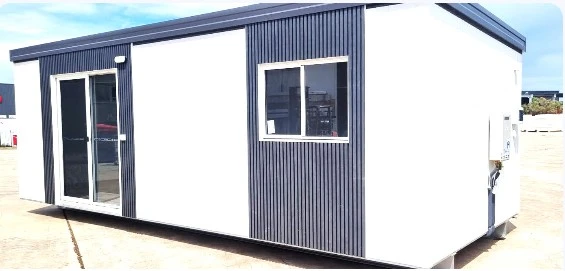

In today’s fast-paced world, flexibility and adaptability are two qualities that define modern infrastructure. Businesses, institutions, and even individuals are looking for ways to expand their usable space without committing to expensive, time-consuming construction projects. This is where the concept of portable cabins comes into play. With their growing popularity across industries, these versatile structures are redefining the way people think about space management and utilization.
The Rise of Smart Space Solutions
Urbanization, population growth, and limited land availability have increased the demand for cost-effective, movable, and customizable structures. Traditional brick-and-mortar buildings, though reliable, often fail to meet the demands of quick deployment and affordability.
In response, smart space solutions such as modular units and portable cabins have gained traction. They not only serve temporary needs but can also be adapted into long-term solutions for a variety of industries, from education and healthcare to hospitality and construction.
Understanding Portable Cabins
Portable cabins are prefabricated units designed to be transported, assembled, and reassembled as needed. Typically built using steel, aluminum, or durable composites, they offer strength and longevity without sacrificing mobility. These cabins can function as offices, classrooms, storage units, or even temporary housing solutions.
The ability to shift these cabins from one site to another provides unparalleled convenience. For industries that require constant relocation, such as construction and infrastructure projects, these cabins represent a practical choice.
Benefits of Portable Cabins
One of the main reasons portable buildings are being embraced is their efficiency. Here are some key advantages that make them an attractive choice:
1. Cost-Effectiveness
Constructing a permanent building is not only expensive but also time-consuming. In comparison, portable options can be manufactured and installed at a fraction of the cost. This makes them especially appealing for start-ups and organizations with limited budgets.
2. Quick Installation
Unlike traditional construction projects, which can take months or even years, portable units can be set up within days. This rapid deployment is critical for sectors like disaster relief, where time is of the essence.
3. Flexibility and Mobility
A significant advantage of portable buildings is their mobility. They can be dismantled and relocated with relative ease, allowing businesses to adapt to new environments without permanent commitments.
4. Sustainability
With increasing global emphasis on sustainability, these cabins are often designed using recyclable materials. Moreover, the minimal need for raw resources during installation reduces the environmental impact compared to conventional construction.
5. Customization Options
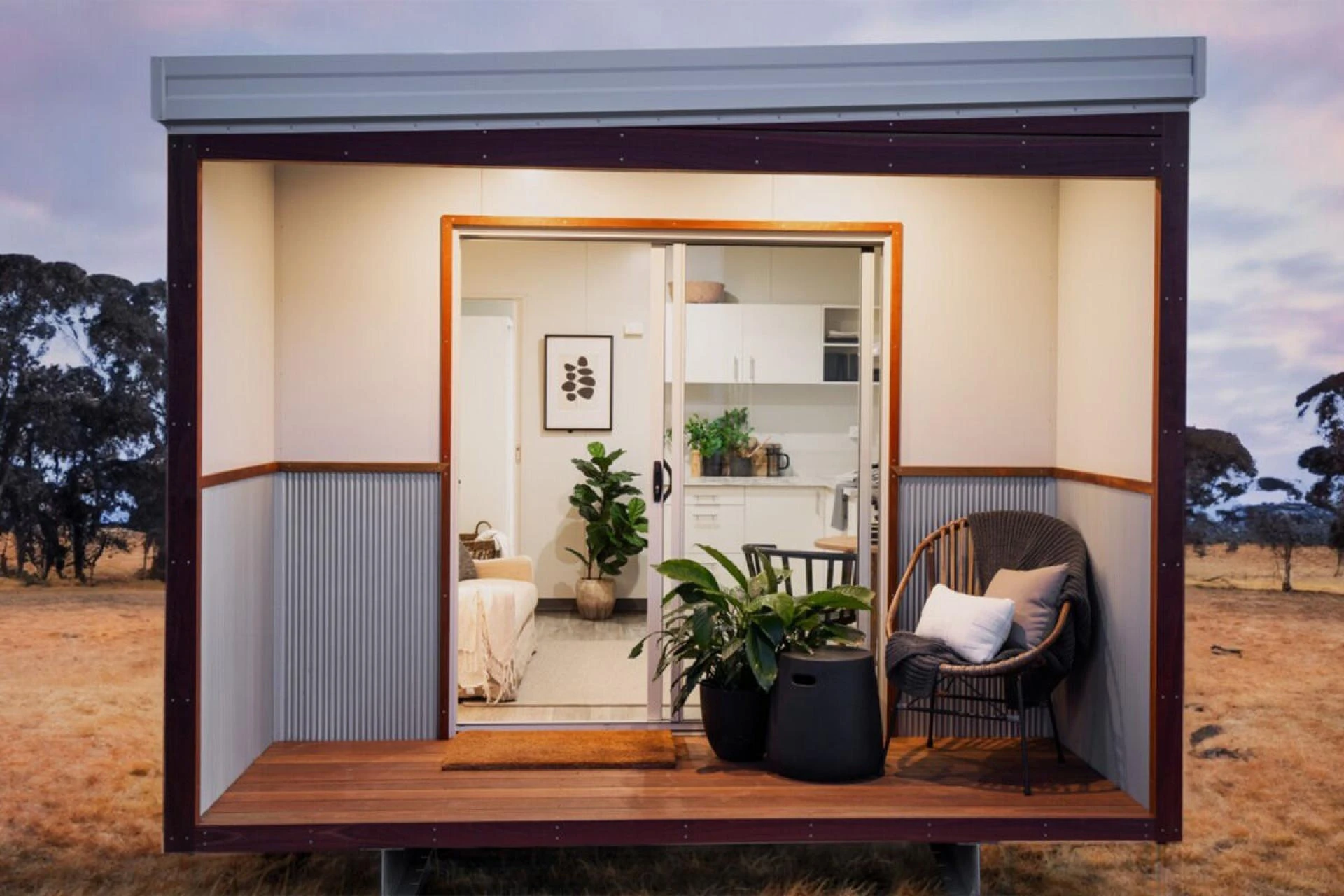
From basic designs to fully furnished structures, portable cabins can be tailored to specific requirements. They can include insulation, electrical fittings, air-conditioning, and more, ensuring comfort and practicality for occupants.
Applications Across Industries
The versatility of portable buildings makes them suitable for a wide range of uses:
- Construction Sites: Often used as on-site offices, storage spaces, or worker accommodations.
- Education: Schools and universities use them as additional classrooms or administrative offices during expansion.
- Healthcare: Portable medical units provide quick solutions in rural or disaster-affected areas.
- Corporate Sector: Start-ups and small businesses adopt them as affordable office setups.
- Hospitality: Resorts and campsites increasingly rely on them for guest accommodation or recreational facilities.
Portable Cabins and the Future of Infrastructure
As industries continue to evolve, flexibility remains a core requirement. Portable cabins are expected to play a crucial role in bridging the gap between temporary solutions and permanent infrastructure. They align well with modern trends such as remote workspaces, pop-up businesses, and eco-friendly development.
Moreover, the integration of advanced technologies like smart climate control, solar energy systems, and modular interior designs is likely to further enhance the value of these cabins in the future.
Challenges and Considerations
While portable buildings offer numerous benefits, they also come with challenges. Factors such as local regulations, safety codes, and long-term durability must be carefully assessed before implementation. Additionally, in regions with extreme climates, proper insulation and maintenance are essential to ensure functionality and comfort.
Conclusion
The growing demand for adaptable and efficient infrastructure has positioned portable cabins as a smart solution for modern space needs. They combine affordability, mobility, and sustainability, making them an ideal choice across industries. As technology advances, these units are set to become even more sophisticated, offering smarter and greener alternatives to conventional construction.
Ultimately, portable buildings represent more than just temporary structures—they symbolize a shift towards innovation, flexibility, and responsible space management in the 21st century.






















Sign in to leave a comment.