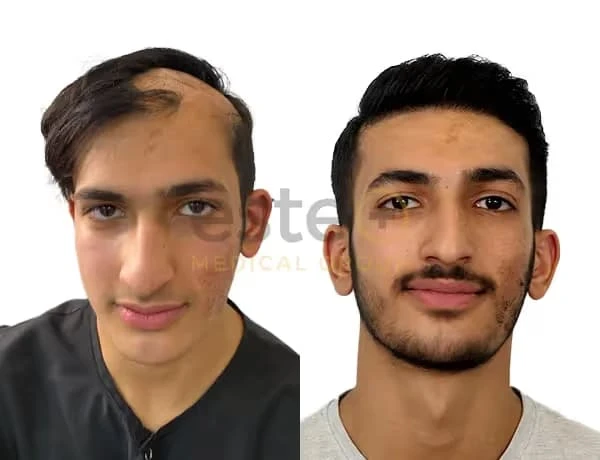

When individuals consider undergoing hair restoration, they often focus on the transformative potential of the procedure, eagerly searching for images of hair transplants before and after to visualize the possible outcomes. However, one critical aspect that can significantly influence the success of hair transplants is the post-transplant care regimen. Proper aftercare is essential for ensuring that the newly transplanted hair follicles thrive and for achieving the desired results. This article explores the vital steps that individuals should follow after a hair transplant to maximize their outcomes and enjoy fuller, healthier hair.
Understanding the Hair Transplant Process
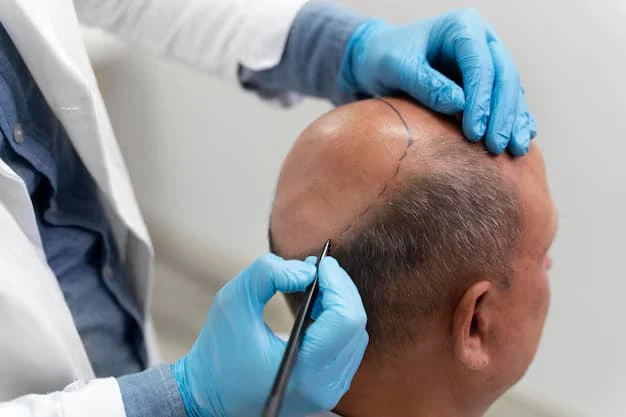
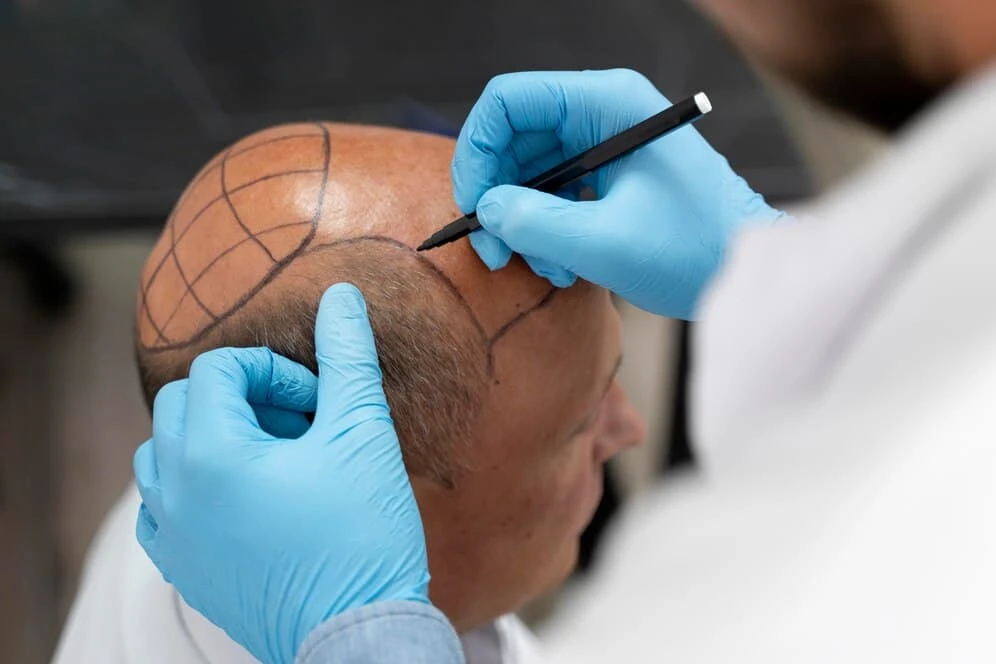
Before delving into post-transplant care, it is important to understand the hair transplant process itself. Hair transplants typically involve harvesting hair follicles from a donor site—often the back or sides of the head—and implanting them into areas experiencing thinning or balding. The two most common techniques are Follicular Unit Extraction (FUE) and Follicular Unit Transplantation (FUT).
Following the procedure, patients may feel excitement about their impending results. However, the journey to achieving a full head of hair does not end with the transplant. The initial weeks and months post-surgery are critical for ensuring the health of the transplanted follicles.
Immediate Post-Transplant Care: The First Few Days
The first few days after a hair transplant are crucial for the survival of the transplanted follicles. Patients should be aware of several important guidelines during this period.
1. Protecting the Scalp
In the immediate aftermath of the procedure, the scalp may be sensitive and susceptible to irritation. To protect the area, patients should avoid touching or scratching the scalp. It is advisable to refrain from wearing hats or helmets for at least a week after the transplant to prevent pressure on the newly implanted hair follicles.
Additionally, it is essential to avoid direct sunlight exposure on the scalp for the first few weeks. If going outdoors is necessary, wearing a loose-fitting hat can provide protection against UV rays, which can hinder healing.
2. Managing Discomfort
It is common for patients to experience mild discomfort, swelling, or redness in the transplanted area. Following the surgeon’s recommendations regarding pain management is vital. Over-the-counter pain relief medications, such as ibuprofen or acetaminophen, can often alleviate discomfort. However, patients should avoid blood-thinning medications, such as aspirin, unless specifically directed by their healthcare provider.
3. Following Proper Washing Instructions
After a hair transplant, proper washing techniques are essential for promoting healing. Patients will typically be advised to wait at least 48 hours before washing their hair. When they do wash their hair, it is crucial to use a gentle, sulfate-free shampoo and lukewarm water.
Patients should avoid vigorous rubbing or scrubbing of the scalp during washing. Instead, they can gently apply the shampoo using the pads of their fingers, allowing the water to rinse out the product. This gentle approach helps prevent dislodging the transplanted follicles while keeping the scalp clean.
The First Two Weeks: Key Considerations
As the days progress into the first two weeks post-transplant, patients should continue to adhere to specific care guidelines to maximize their results.
1. Avoiding Strenuous Activities
During the first two weeks, it is vital to avoid strenuous physical activities, such as heavy lifting, running, or intense workouts. Sweat can irritate the scalp and increase the risk of infection. Therefore, patients should aim to engage in light activities and gradually resume their regular exercise routine as they feel comfortable.
2. Sleeping Position
Proper sleeping position can also affect the healing process. Patients should aim to sleep on their back with their head elevated to minimize swelling. Using extra pillows or a reclining chair can help achieve this position during the initial days post-transplant. Avoiding sleeping on the sides or stomach is essential to prevent pressure on the donor and recipient sites.
3. Staying Hydrated and Nourished
Nutrition plays a significant role in the healing process. Patients should focus on maintaining a balanced diet rich in vitamins, minerals, and protein to support hair growth. Foods high in antioxidants, such as fruits and vegetables, can also promote healing. Staying well-hydrated by drinking plenty of water is vital for overall health and recovery.
Weeks Three to Six: Monitoring Progress
After the initial two weeks, patients will enter a phase where monitoring the progress of their hair growth becomes essential. During this time, individuals may notice some shedding of the transplanted hair, which is a normal part of the hair growth cycle. Understanding this process is crucial for maintaining a positive mindset.
1. Continued Gentle Care
While the scalp may feel less sensitive after two weeks, gentle care should continue. Patients should still avoid using harsh hair products, such as gels or sprays, that can irritate the scalp. Instead, they should opt for moisturizers and soothing scalp treatments to maintain hydration and promote healing.
2. Regular Follow-up Appointments
Attending follow-up appointments with the healthcare provider is vital for assessing the progress of hair growth and ensuring that the transplanted follicles are healthy. During these visits, the practitioner can provide valuable insights into the expected timeline for hair growth and address any concerns patients may have.
Months Three to Six: Patience is Key
As the months progress, patients can expect to see gradual changes in their hair. By the three-month mark, many individuals will begin to notice new hair growth in the transplanted areas. However, it is important to remain patient, as full results may take up to a year to become apparent.
1. Scalp Care and Maintenance
During this period, patients can start incorporating more advanced scalp care techniques into their routine. This may include the use of topical treatments, such as minoxidil, to support hair growth. Consulting with a healthcare provider about the most suitable products for individual needs is essential.
2. Avoiding Heat Styling
To maintain the health of the newly transplanted hair, patients should avoid heat styling tools, such as blow dryers, straighteners, and curling irons for the first few months. Excessive heat can damage delicate hair follicles and hinder growth. Instead, individuals can embrace natural drying methods and styles that do not require heat.
Long-Term Maintenance: Sustaining Results
Once the initial healing and growth phases have passed, long-term maintenance becomes crucial for sustaining the results of a hair transplant.
1. Healthy Lifestyle Choices
Adopting a healthy lifestyle can significantly impact hair health. Regular exercise, a balanced diet, and adequate sleep contribute to overall well-being and can support hair growth. Reducing stress through mindfulness practices, such as meditation or yoga, can also be beneficial for hair health.
2. Regular Haircuts and Styling
As the hair grows, regular haircuts can help maintain a neat appearance and promote healthy growth. Additionally, using gentle hair care products and avoiding harsh chemicals can protect the hair and scalp.
3. Continued Professional Guidance
Maintaining a relationship with a healthcare provider who specializes in hair restoration is important for ongoing support. Regular check-ins can help monitor the health of the hair and address any concerns that may arise over time.
Conclusion: Investing in Your Hair Restoration Journey
The journey to achieving a fuller head of hair through a hair transplant is not just about the procedure itself; it involves a commitment to proper post-transplant care. By following the recommended guidelines and prioritizing scalp health, patients can maximize their results and enjoy the benefits of their hair restoration journey.
Understanding the significance of post-transplant care empowers individuals to take control of their recovery and hair growth. For those considering a hair transplant or who have recently undergone the procedure, taking the necessary steps to care for their hair can lead to transformative results.
If you are ready to embark on your hair restoration journey or want to learn more about optimizing your results, reach out to Este Medical Group today! Their team of experts is dedicated to guiding you every step of the way, ensuring you achieve the full potential of your hair transplant. Don’t wait—take the first step towards the hair of your dreams!



























Sign in to leave a comment.