

Potatoes are among the most versatile ingredients in everyday cooking, but achieving the best results depends on more than choosing the right recipe. Cleaning, cutting, peeling, and selecting suitable cooking methods can influence a potato dish's flavor, texture, and appearance. Understanding proper potato preparation helps home cooks, restaurants, and foodservice professionals make better use of different potato varieties.
Each variety has distinct characteristics that affect how it performs in the kitchen. Some potatoes develop a light, fluffy interior, while others retain their shape and offer a creamy texture. By matching preparation techniques with the intended dish, cooks can improve consistency, reduce waste, and bring out the natural qualities of fresh potatoes.

Understanding How Potato Varieties Affect Preparation
Before preparing potatoes, it helps to understand their starch content, moisture level, and texture. These characteristics influence how potatoes respond to boiling, baking, roasting, frying, and mashing.
Starchy potatoes, such as Russets, generally produce a fluffy interior and are well suited to baked potatoes, mashed potatoes, and many fried preparations. Waxy varieties, including red potatoes, have a firmer texture that helps them hold their shape in salads, soups, and stews. All-purpose varieties offer a balance of these qualities and work well across several cooking applications.
Understanding these differences is an important part of a practical potato prep guide. Rather than using the same method for every potato, consider the variety and the final result you want to achieve. This simple step can improve the texture and appearance of the finished dish.
Preparing Fresh Potatoes for Consistent Results
Good preparation begins before cooking. When preparing fresh potatoes, inspect them for soft spots, visible damage, green areas, or signs of spoilage. Choose firm potatoes suitable for the recipe, and remove dirt by rinsing them under cool running water while gently scrubbing the skin.
Peeling depends on the dish and the variety. Thin-skinned potatoes can often be cooked with their skins intact, adding texture and helping reduce preparation waste. Thicker-skinned potatoes may benefit from peeling when a smooth texture is required, particularly for certain mashed potato recipes.
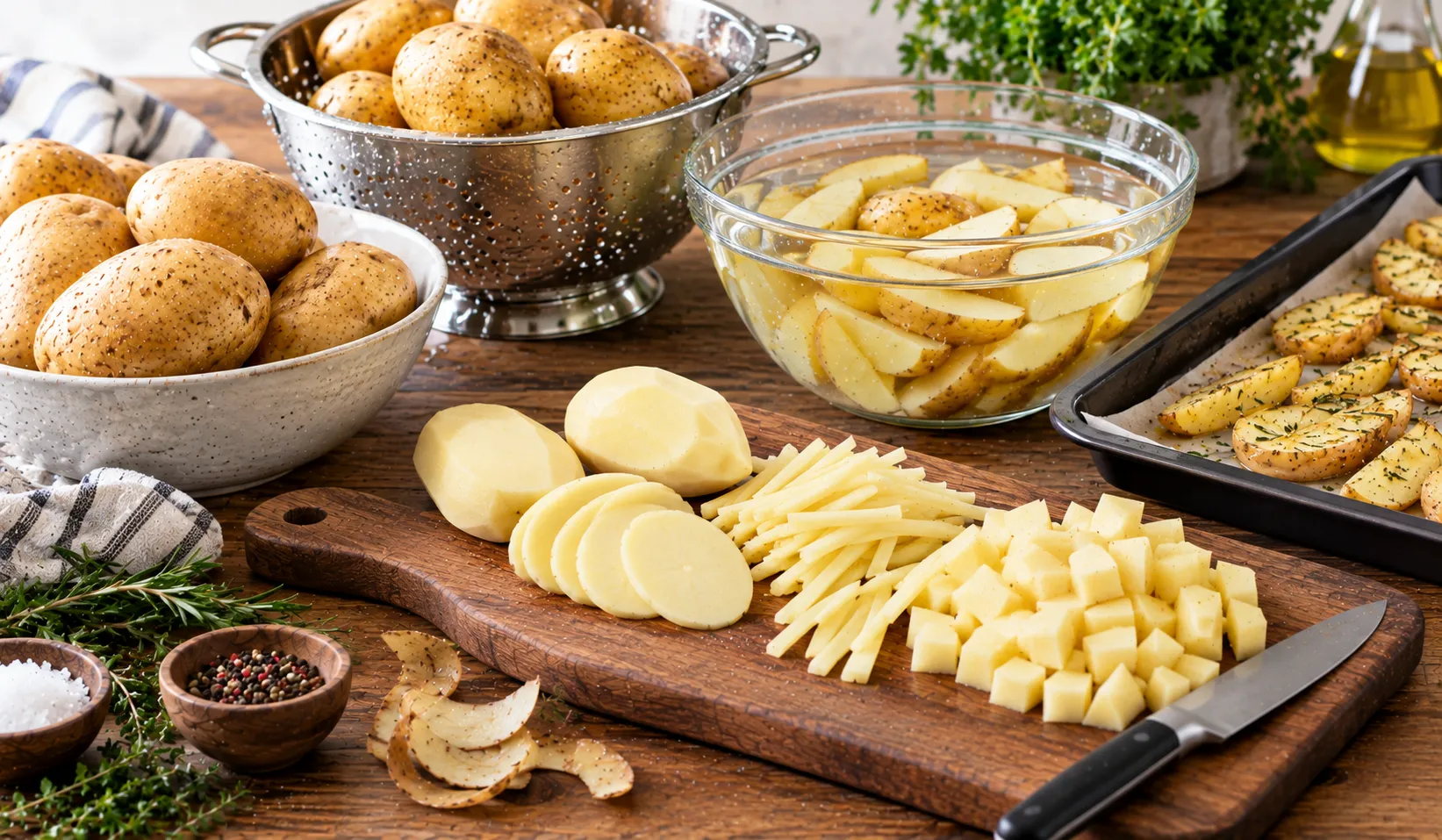
Use a clean, sharp knife to create evenly sized pieces. Uniform cuts help potatoes cook at a consistent rate, reducing the chance of some pieces becoming overcooked while others remain firm. If cut potatoes need to wait before cooking, keep them covered in cold water for a short period to limit discoloration, then drain and dry them as required by the recipe.
Matching Preparation Methods to Popular Potato Dishes
Different recipes call for different approaches. Choosing the right technique can make the difference between crisp roasted potatoes, creamy mash, and potato pieces that retain their shape.
Preparing Potatoes for Crispy Roasting
Roasted potatoes benefit from a fluffy interior and a browned exterior. Starchy and all-purpose varieties are often suitable, depending on the desired texture. Cut the potatoes into evenly sized pieces and dry their surfaces thoroughly before adding oil and seasonings.
For a softer center and crispier outside, some cooks parboil the pieces before roasting. Drain them well and allow excess surface moisture to escape before tossing them with oil. Spread the potatoes in a single layer on a baking tray so hot air can circulate around them. Overcrowding can trap steam and prevent proper browning.
Getting Better Texture from Mashed Potatoes
For light, fluffy mashed potatoes, starchy varieties are often a reliable choice. Cut them into similarly sized pieces and place them in a pot of cold water before bringing the water to a boil. Starting in cold water helps the pieces cook more evenly.
Cook until the potatoes are tender, then drain thoroughly. Allow excess moisture to evaporate briefly to help prevent watery mash. Mash while the potatoes are warm, adding warmed milk, butter, or other ingredients gradually until the desired consistency is reached. Avoid excessive mixing, which can make some varieties sticky or gluey.
Preparing Potatoes for Frying
Fried potatoes need careful preparation to achieve a golden exterior and a desirable interior texture. Cut potatoes into even strips or slices according to the recipe. For some preparations, rinsing or soaking cut potatoes can remove excess surface starch and help prevent pieces from sticking together.
After rinsing, dry the potatoes thoroughly before frying. Excess water can cause oil to splatter and interfere with browning. Follow food-safety practices when working with hot oil. For larger batches, maintaining consistent cut sizes and cooking conditions helps produce more uniform results.
Potato Cooking Tips for Soups, Salads, and Everyday Meals
Not every potato dish requires a crisp exterior or fluffy interior. Soups, salads, casseroles, and stews often depend on potatoes retaining their shape while absorbing flavor from other ingredients.
Waxy varieties are particularly useful when firm pieces are needed. Cut them to the size specified in the recipe and simmer gently rather than allowing them to break apart through vigorous boiling. Add potatoes at the appropriate stage of cooking so they become tender without turning mushy.
For potato salads, cook the pieces until just tender and drain them carefully. Depending on the recipe, dressing the potatoes while they are still slightly warm can help them absorb flavor. For soups and stews, consider the cooking time of the other ingredients and add potatoes accordingly.
The following potato cooking tips can help improve results across common recipes:
- Match the potato's texture and characteristics to the intended dish.
- Cut pieces evenly to encourage consistent cooking.
- Dry potatoes well before roasting or frying.
- Check tenderness with a fork instead of relying on cooking time alone.
- Season appropriately and adjust cooking times for the size of the pieces.
These practical steps make preparation more predictable without requiring complicated techniques or specialized equipment.
How Different Potato Varieties Influence Specialty Dishes
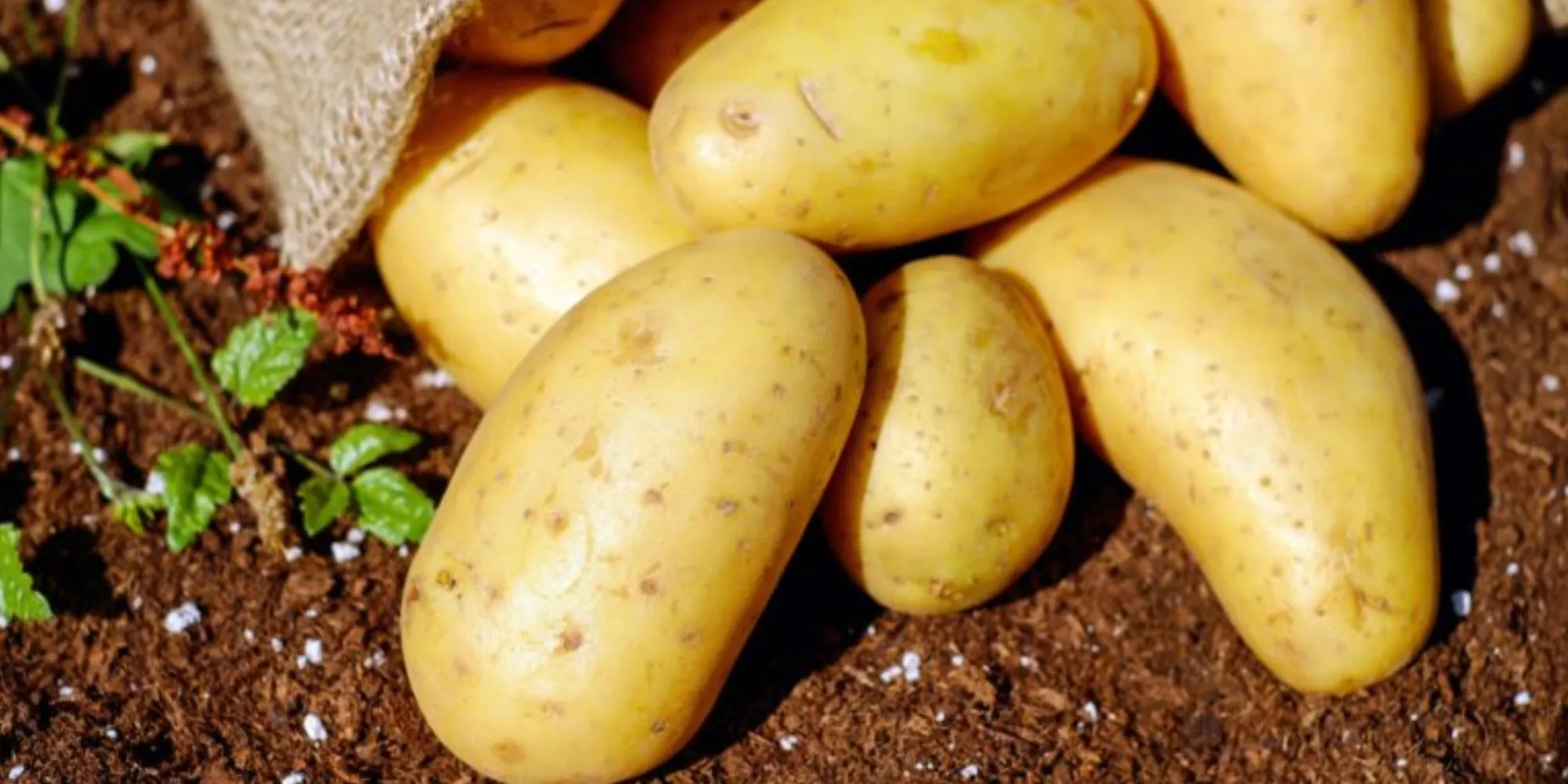
Exploring different potato varieties can introduce new colors, textures, and flavors to everyday meals. Yellow potatoes are often valued for their creamy texture and naturally buttery character, while red potatoes are useful in dishes where a firm shape is important. Russets are popular for fluffy baked potatoes and many frying applications.
Fingerling potatoes can be roasted whole or halved, depending on their size, while blue and purple varieties can add distinctive color to salads, side dishes, and roasted vegetable combinations. Their performance still depends on their individual characteristics, so cooks should consider texture and cooking behavior rather than relying on color alone.
When selecting specialty potatoes, consider these characteristics:
- Color and appearance: Red, yellow, purple, and other varieties can add visual interest to meals.
- Texture: Some potatoes become fluffy, while others retain a firm or creamy consistency.
- Shape and size: Smaller potatoes may be suitable for roasting whole, while larger varieties are useful for baking, mashing, or cutting into portions.
- Cooking application: Choose varieties according to whether the recipe requires crispness, softness, or shape retention.
- Serving purpose: Restaurants and foodservice businesses may select specialty potatoes to create distinctive menu items or seasonal dishes.
Matching these qualities to the recipe helps cooks make informed choices and use each variety effectively.
Storage and Handling Before Preparation
Proper storage supports quality before potatoes reach the cutting board. Keep unprepared potatoes in a cool, dry, dark, well-ventilated place, away from excessive heat and direct sunlight. Avoid washing potatoes before storage, since lingering moisture can encourage spoilage. Refrigeration is generally not recommended for raw potatoes intended for typical household cooking because cold temperatures can alter their sugar levels and affect cooking results.
Inspect stored potatoes regularly and remove any that are decaying. Avoid using potatoes with extensive greening or a bitter taste, as these may contain elevated levels of glycoalkaloids. Cooking does not reliably make heavily green or otherwise unsafe potatoes suitable to eat.
For foodservice operations, clear storage procedures and regular stock rotation can help reduce waste and maintain consistent quality. Handle potatoes carefully during transport and preparation to minimize bruising and other damage.
Supporting Pennsylvania's Potato Growers
Quality potato dishes begin with suitable raw ingredients. Local potato growers play an important role in supplying potatoes for fresh markets, restaurants, foodservice operations, and other buyers. Their knowledge of growing conditions and potato characteristics helps support a diverse supply for different culinary applications.
Pennsylvania's potato industry connects growers with markets that require potatoes for a range of uses. Choosing varieties suited to particular applications can help buyers make informed purchasing decisions, while careful handling after harvest helps preserve quality before potatoes reach kitchens and processing facilities.
The Pennsylvania Co-Operative Potato Growers (PCPG) supports connections between potato growers and buyers across the state. By promoting Pennsylvania-grown potatoes and the growers behind them, PCPG contributes to a supply network that serves different market needs.
Make Every Potato Dish Better with the Right Preparation
Effective potato preparation starts with selecting the right variety, handling potatoes carefully, and choosing a method that suits the dish. From crispy roasted potatoes and fluffy mashed potatoes to firm potato salads and flavorful soups, small adjustments in cutting, drying, seasoning, and cooking can produce more consistent results.
Using a reliable potato prep guide also helps cooks understand why certain varieties perform better in specific recipes. With attention to texture, moisture, and cooking time, potatoes can become a dependable ingredient for everyday meals and professional kitchens alike.
For buyers seeking quality potatoes and a connection to Pennsylvania's growing community, Pennsylvania Co-Operative Potato Growers provides a valuable link between local growers and the markets they serve.
























Sign in to leave a comment.