Modern security and networking systems are becoming smarter, faster, and easier to install. One of the most important technologies driving this transformation is Power over Ethernet, commonly known as POE. This technology allows both electrical power and data transmission to travel through a single Ethernet cable, simplifying installations and improving efficiency.
POE technology is now widely used in security cameras, wireless access points, smart intercoms, VoIP phones, and advanced networking systems. As businesses and homeowners continue upgrading to smart surveillance solutions, understanding how POE works has become increasingly important.
In this blog, we will explain what POE technology is, how it works, its benefits, applications, and why it has become a preferred solution for modern surveillance and networking systems.
What Is POE Technology?
Power over Ethernet (POE) is a technology that allows Ethernet cables to transmit both electrical power and data simultaneously.
Traditionally, network devices required:
- A separate data cable
- A separate power cable
POE eliminates the need for multiple cables by combining both functions into a single Ethernet connection.
This innovation reduces installation complexity and provides a cleaner, more organized setup for security and networking systems.
How POE Works
POE technology works by sending low-voltage electrical power through standard Ethernet cables alongside network data signals.
The main components of a POE system include:
Power Sourcing Equipment (PSE)
This is the device that supplies power through the Ethernet cable. Common examples include:
- POE network switches
- POE injectors
Powered Device (PD)
This is the device receiving both data and power. Examples include:
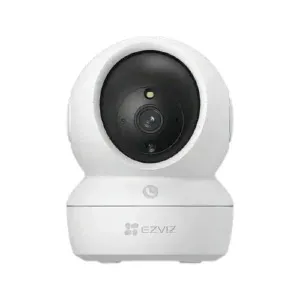
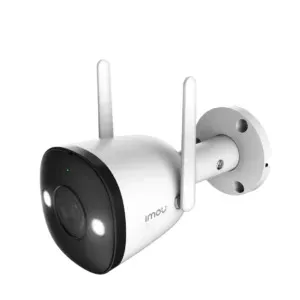
- IP cameras
- Wireless access points
- Smart intercoms
- VoIP phones
The Ethernet cable acts as the medium for both communication and power delivery.
A modern poe switch plays a critical role in these systems by efficiently managing power distribution and network connectivity across multiple devices.
Types of POE Standards
Over time, POE technology has evolved to support devices with different power requirements.
IEEE 802.3af
This is the original POE standard that provides up to 15.4 watts of power per port.
It is suitable for:
- Basic IP cameras
- VoIP phones
- Simple wireless access points
IEEE 802.3at (POE+)
POE+ offers higher power output up to 30 watts per port.
It supports devices such as:
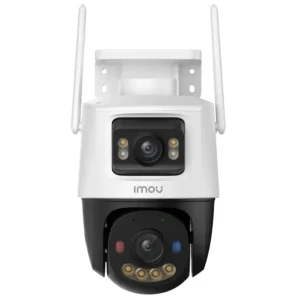
- PTZ cameras
- Advanced wireless systems
- Video intercoms
IEEE 802.3bt (POE++)
This newer standard provides significantly higher power capacity for more demanding devices.
It can power:
- High-performance surveillance cameras
- Digital displays
- Smart building systems
- Advanced automation devices
These standards allow POE technology to support a wide range of modern smart devices.

Benefits of POE Technology
POE has become highly popular because of its many advantages.
Simplified Installation
One of the biggest benefits of POE is reduced cabling complexity.
Since both power and data travel through one cable:
- Installation becomes faster
- Labor costs decrease
- Cable clutter is reduced
- System maintenance becomes easier
This is especially useful for large surveillance systems.
Cost Efficiency
POE technology reduces the need for additional electrical wiring and power outlets.
This can significantly lower installation expenses for homes, offices, warehouses, and commercial buildings.
Many users compare security upgrades alongside factors such as cctv camera price to build cost-effective surveillance systems using POE infrastructure.
Flexible Device Placement
Since POE devices do not require nearby electrical outlets, they can be installed in optimal locations for better performance.
Examples include:
- Ceilings
- Outdoor walls
- Parking areas
- Building entrances
- Hallways
This flexibility improves surveillance coverage and network performance.
Centralized Power Management
POE systems allow administrators to control power from a central network switch.
This makes it easier to:
- Restart devices remotely
- Monitor power usage
- Manage connected equipment
- Improve troubleshooting
Centralized control is highly valuable in commercial environments.
Improved Reliability
POE systems often connect to centralized backup power supplies or UPS systems.
This ensures continued operation during power outages, improving security and network reliability.
POE in Surveillance Systems
POE technology is widely used in modern surveillance systems because it simplifies camera deployment and improves system efficiency.
Easy Camera Installation
POE allows installers to connect cameras using only one Ethernet cable, making installations faster and cleaner.
Better Scalability
Adding additional cameras becomes easier without requiring major electrical modifications.
Remote Device Management
Administrators can remotely manage and troubleshoot cameras through the network.
This is especially beneficial for businesses with large security systems.
As surveillance technology advances, many users evaluate systems based on factors such as IP camera price in Pakistan while selecting suitable POE-compatible security solutions.
Difference Between POE and Traditional Systems
Traditional security systems often require:
- Separate power adapters
- Individual electrical outlets
- Multiple cable types
POE systems simplify this process by combining everything into a single Ethernet connection.
Traditional Systems Challenges
- More complicated installations
- Higher labor costs
- Cable management issues
- Limited device placement flexibility
POE System Advantages
- Cleaner setup
- Faster deployment
- Easier maintenance
- Centralized power management
These advantages make POE a preferred solution for modern networking and surveillance environments.
Applications of POE Technology
POE is used in many industries and applications beyond security systems.
Smart Surveillance
IP cameras are one of the most common POE-powered devices.
Wireless Networking
Wi-Fi access points use POE for simplified ceiling and wall installations.
Smart Buildings
Modern automation systems rely on POE for:
- Lighting controls
- Access systems
- Environmental sensors
- Building management systems
Video Intercom Systems
POE-powered intercoms provide secure communication and remote access control.
Healthcare Facilities
Hospitals use POE for monitoring systems, communication devices, and medical networking infrastructure.
Educational Institutions
Schools and universities use POE for campus surveillance and wireless networking.
Importance of a Quality POE Switch
A reliable poe switch is essential for maintaining stable network performance and efficient power delivery.
When selecting a POE switch, users should consider:
- Number of ports
- Power budget
- Network speed
- Device compatibility
- Future scalability
Managed POE switches also provide advanced monitoring and security features for enterprise-level installations.
POE and Smart Homes
Smart home technology continues growing rapidly, and POE is becoming an important part of connected home systems.
POE-powered smart homes may include:
- Security cameras
- Smart doorbells
- Wireless access points
- Home automation systems
- Voice communication devices
Using POE simplifies installation while improving network reliability throughout the home.
Challenges of POE Technology
Although POE offers many advantages, there are some limitations users should understand.
Distance Limitations
Standard Ethernet cables usually support POE transmission up to 100 meters.
Longer distances may require:
- POE extenders
- Fiber solutions
- Additional switches
Power Capacity Restrictions
Certain high-power devices may exceed standard POE capabilities.
Selecting the correct POE standard is important for optimal performance.
Equipment Compatibility
Not all devices support POE technology. Compatibility should always be verified before installation.
Future of POE Technology
POE technology continues evolving alongside advancements in smart networking and surveillance systems.
Future developments may include:
- Higher power delivery capabilities
- Faster network speeds
- Improved energy efficiency
- AI-powered network management
- Integration with smart cities
- Enhanced cybersecurity protections
As businesses and homeowners adopt more connected devices, POE infrastructure will become even more valuable.
Why POE Is Ideal for Modern Security Systems
Modern surveillance systems require flexibility, reliability, and scalability. POE technology provides all three while reducing installation complexity.
For property owners planning advanced security systems, combining high-quality cameras with efficient POE infrastructure offers several advantages:
- Simplified deployment
- Lower installation costs
- Improved reliability
- Cleaner cable management
- Easier future upgrades
This is one reason why POE-based IP surveillance systems are becoming increasingly popular worldwide.


























Sign in to leave a comment.