
This article delves into the intricacies of this market, exploring its size, structure, key players, trends, and the exciting opportunities it presents.
Market Snapshot: A Powerhouse in the Making
India\'s power market is a giant by global standards. With an installed capacity exceeding 442 GW as of March 2024, it ranks fifth globally [1]. The story gets even more impressive on the consumption side. The country is the third-largest consumer of electricity, witnessing a rise of 6.8% in generation to 1,452.43 billion kWh in January 2024 [2]. This insatiable demand is driven by a burgeoning population, rapid urbanization, and increasing industrial activity.
A Three-Horse Race: The Market Segmentation
The Indian power market is broadly divided into three segments:
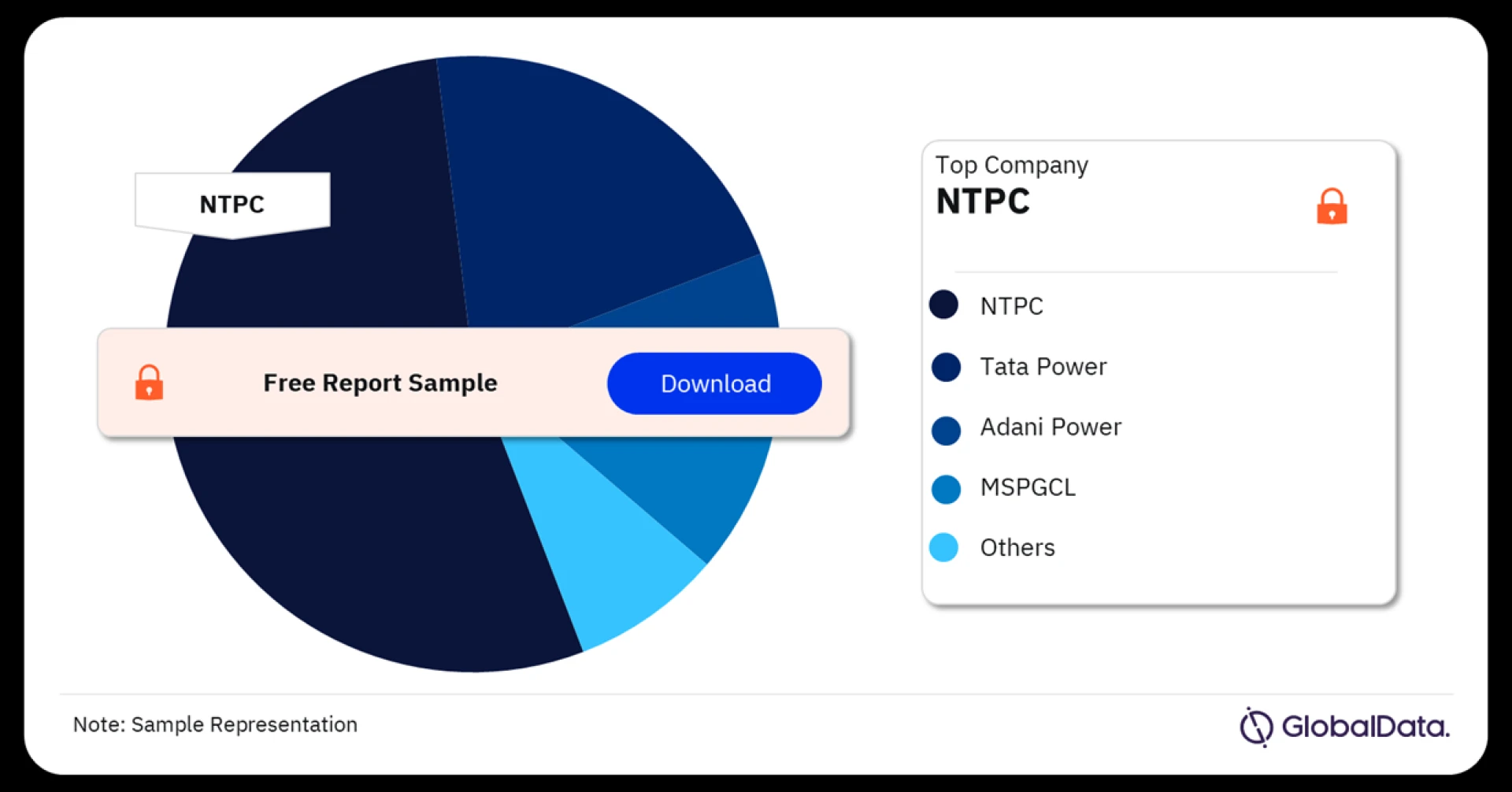
- Central Sector: This segment comprises power stations owned and operated by the central government, contributing roughly 24% of the total capacity [3]. Major players include National Thermal Power Corporation (NTPC) and Power Grid Corporation of India (PGCIL).
- State Sector: State governments hold a significant stake in the market, accounting for approximately 25.3% of the installed capacity [3]. State Electricity Boards (SEBs) are responsible for power generation, transmission, and distribution within their respective states.
- Private Sector: The private sector is the dominant player, boasting over 50% of the total installed capacity [3]. This segment includes independent power producers (IPPs) and captive power plants set up by industries for their own consumption.
The Power Grid: The Arteries of the Market
The Indian national electricity grid, managed by PGCIL, plays a pivotal role in ensuring seamless power transmission across the country. With an ever-expanding network, the grid\'s current capacity stands at a staggering 442 GW [1]. This robust infrastructure is crucial for facilitating power trading between different regions and market segments.
Fueling the Nation: The Power Mix
India\'s power generation mix is undergoing a paradigm shift. While coal-based thermal power remains the mainstay, its dominance is gradually waning. As of January 2024, renewable energy sources, including hydro, wind, and solar, account for a significant 42.3% of the total installed capacity, with solar energy leading the pack at 82.63 GW [2]. This push towards renewables is driven by a government focus on clean energy and a growing emphasis on energy security.
The Exchange Platform: Facilitating Efficient Trading
The Indian Energy Exchange (IEX) serves as the nerve center for power trading in India. This electronic platform facilitates buying and selling of electricity by various participants, including generators, distributors, and industrial consumers. IEX promotes price discovery through transparent market mechanisms, fostering efficiency and competition within the power sector [4].
Challenges and Opportunities: Navigating the Power Landscape
Despite its remarkable growth, the Indian power sector faces its share of challenges. Transmission and distribution losses remain a significant concern, impacting overall efficiency. Additionally, financial health of some SEBs and issues related to fuel security for thermal plants pose hurdles.
However, amidst these challenges lie exciting opportunities. The government\'s ambitious renewable energy targets present a lucrative space for investment in clean energy sources. Furthermore, modernization of the grid infrastructure and reforms aimed at improving operational efficiency promise a brighter future for the sector.
Key Trends Shaping the Market
Several key trends are shaping the Indian power market:
- Renewable Energy Integration: The government\'s unwavering commitment to clean energy is driving a rapid increase in renewable energy capacity. This trend is expected to continue in the foreseeable future.
- Decentralization: Distributed generation through rooftop solar and microgrids is gaining traction, offering greater flexibility and reliability to consumers.
- Smart Grid Technologies: The adoption of smart grid technologies is enabling better grid management, optimizing power flow, and minimizing losses.
- Demand-Side Management: Initiatives promoting energy efficiency and time-of-day pricing are being implemented to manage peak demand and optimize resource allocation.
- Open Access: Open access regulations allow large consumers to choose their electricity suppliers, fostering competition and potentially reducing costs.
The Road Ahead: A Brighter Future for Power in India
The Indian power market is at an exciting juncture. With a growing demand for electricity, a renewed focus on renewables, and ongoing reforms, the sector is poised for significant transformation. By addressing existing challenges and capitalizing on emerging trends, India can ensure a reliable, sustainable, and affordable power supply for its citizens and industries.
Buy the Full Report to Get More Insights into India’s Power Market Companies, Download a free Report Sample

























Sign in to leave a comment.