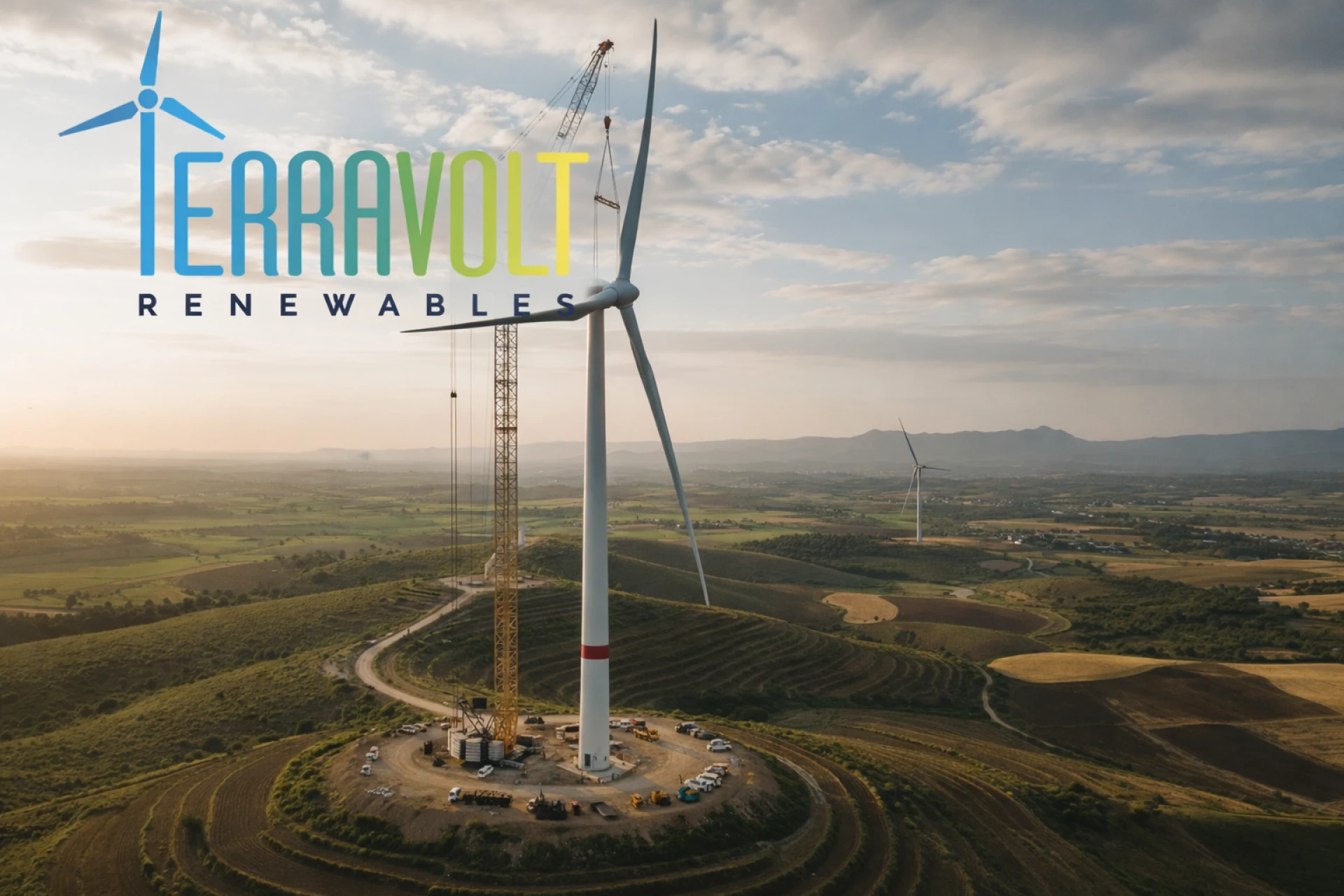

As India accelerates its journey toward becoming a global leader in renewable energy, wind power has emerged as a cornerstone of the nation’s green transition. With an ambitious target of reaching 500 GW of non-fossil fuel capacity by 2030, the demand for precision-driven wind turbine installation in India has never been higher. From the gusty coasts of Gujarat to the high-potential corridors of Tamil Nadu, the infrastructure required to harness wind energy demands technical excellence and robust project management.
Navigating the complexities of large-scale renewable projects requires more than just equipment; it requires technical partners who understand the geographical and regulatory landscape of the Indian subcontinent.
The Landscape of Wind Energy in India
India currently boasts the fourth-largest installed wind power capacity in the world. This growth is fueled by favorable government policies, such as the reverse auction mechanism and the Repowering Policy, which encourages replacing old, low-capacity turbines with modern, high-efficiency models.
However, the transition from a greenfield site to an operational wind farm is a multifaceted process. It involves intricate logistics, heavy-lift engineering, and seamless grid integration. These specialized projects ensure that assets are deployed safely, on time, and within budget.
Comprehensive EPC Services for Wind Power
The "Engineering, Procurement, and Construction" (EPC) model has become the gold standard for wind project execution. Modern firms provide a single point of accountability, managing the entire lifecycle of a wind farm.
1. Site Assessment and Planning
Before a single blade is lifted, comprehensive site surveys are essential. This includes wind resource assessment (WRA), micrositing, and geotechnical studies to ensure the soil can support the massive weight of modern multi-megawatt turbines.
2. Civil and Electrical Infrastructure
A successful setup depends on the groundwork. This involves:
- Construction of access roads for heavy machinery.
- Foundation casting using high-grade reinforced concrete.
- Internal grid networking and the establishment of pooling substations.
3. Logistic Management
Moving turbine components—some blades exceeding 70 meters in length—across Indian highways requires meticulous planning. Expert wind energy contractors manage the "last-mile" challenges to ensure components reach remote sites without damage, providing the technical oversight needed for high-stakes transport.
4. Mechanical Installation and Commissioning
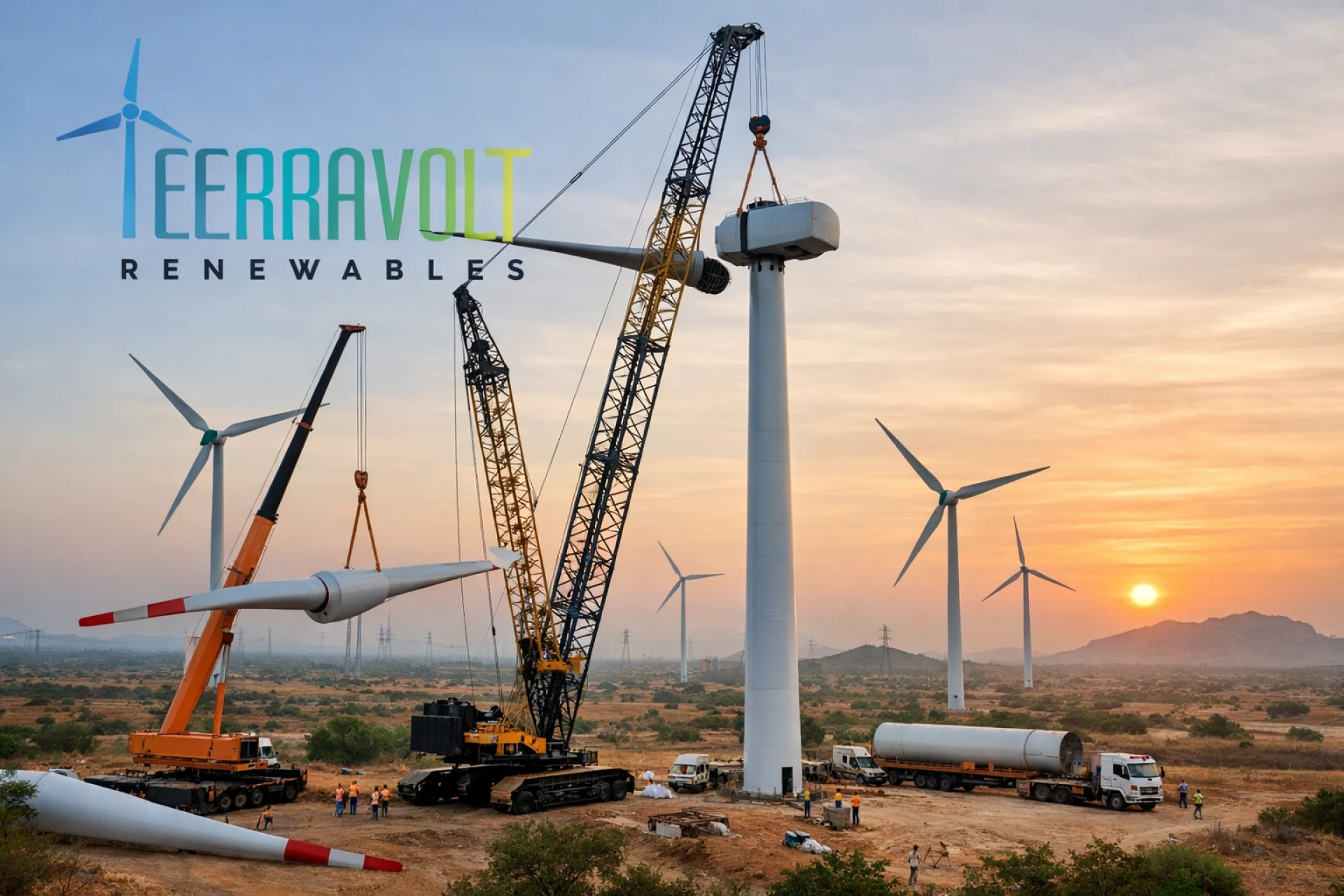
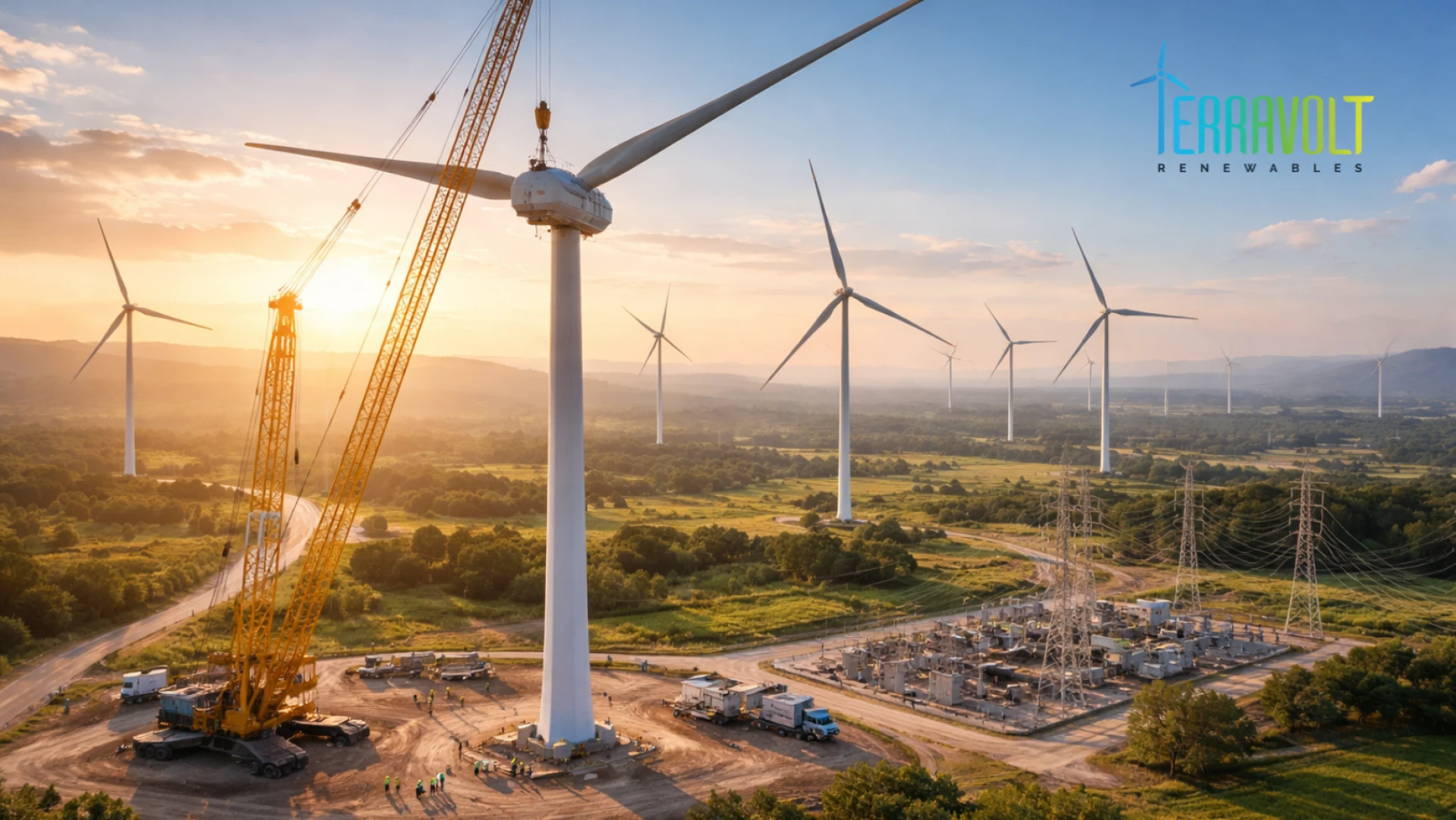
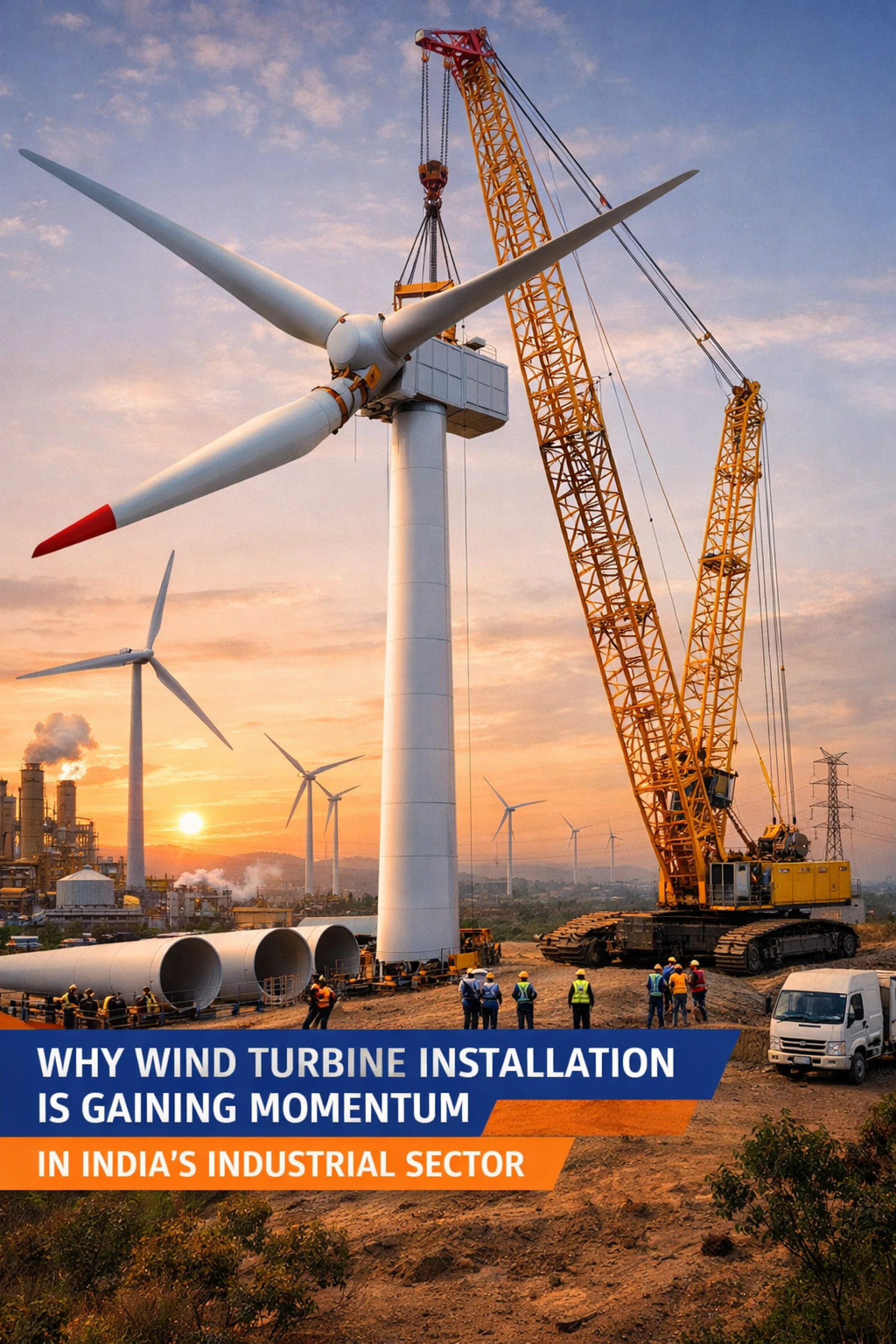
The actual "Erection & Commissioning" (E&C) phase involves using high-capacity cranes to assemble the tower sections, the nacelle, and the rotor. Precision is non-negotiable here; even a minor misalignment can lead to significant mechanical wear over time.
Why Experience Matters in Energy Infrastructure
Choosing the right partner for wind projects is a strategic decision that impacts the 25-year lifecycle of the asset. Leading teams bring several advantages to the table:
- Safety Standards: Working at heights of 100+ meters involves inherent risks. Professional firms adhere to international QHSE (Quality, Health, Safety, and Environment) standards.
- Regulatory Compliance: Navigating Land Use Permissions (LUP), Forest Department clearances, and State Electricity Board (SEB) protocols requires local "on-the-ground" knowledge.
- Technological Expertise: As turbines grow in size and capacity (now reaching 3MW to 5MW per unit in India), teams must stay updated with the latest lifting technologies and digital monitoring tools.
The Role of Specialized Infrastructure Partners
While many general construction firms exist, specialized teams offer niche expertise in handling sensitive components like gearboxes and generators. They ensure that the "Balance of Plant" (BoP) is optimized to reduce energy transmission losses, thereby maximizing the Return on Investment (ROI) for IPPs (Independent Power Producers).
Terravolt stands out in this sector by offering integrated solutions that bridge the gap between complex engineering and field execution. By focusing on durability and efficiency, they help developers minimize downtime and ensure long-term grid stability.
Key Challenges in Indian Wind Projects
Despite the growth, the industry faces unique hurdles that only experienced professionals can mitigate:
- Land Acquisition: Fragmented land holdings often delay projects.
- Grid Connectivity: Ensuring the local grid can handle the intermittent nature of wind power.
- Extreme Weather: Designing foundations and choosing turbine classes that can withstand monsoons or cyclonic conditions in coastal regions.
Conclusion: Partnering for a Greener Tomorrow
The future of renewable infrastructure is bright, with offshore wind and hybrid solar-wind projects set to be the next big frontiers. For developers and investors, the path to success lies in collaborating with reliable wind power installation companies that prioritize quality and execution speed.
Whether you are looking to set up a small captive wind farm or a massive utility-scale project, the technical proficiency of your chosen installation team will be the deciding factor in your project’s performance. By leveraging the expertise of industry leaders like Terravolt, India can continue its steady march toward energy independence, one turbine at a time.

























Sign in to leave a comment.