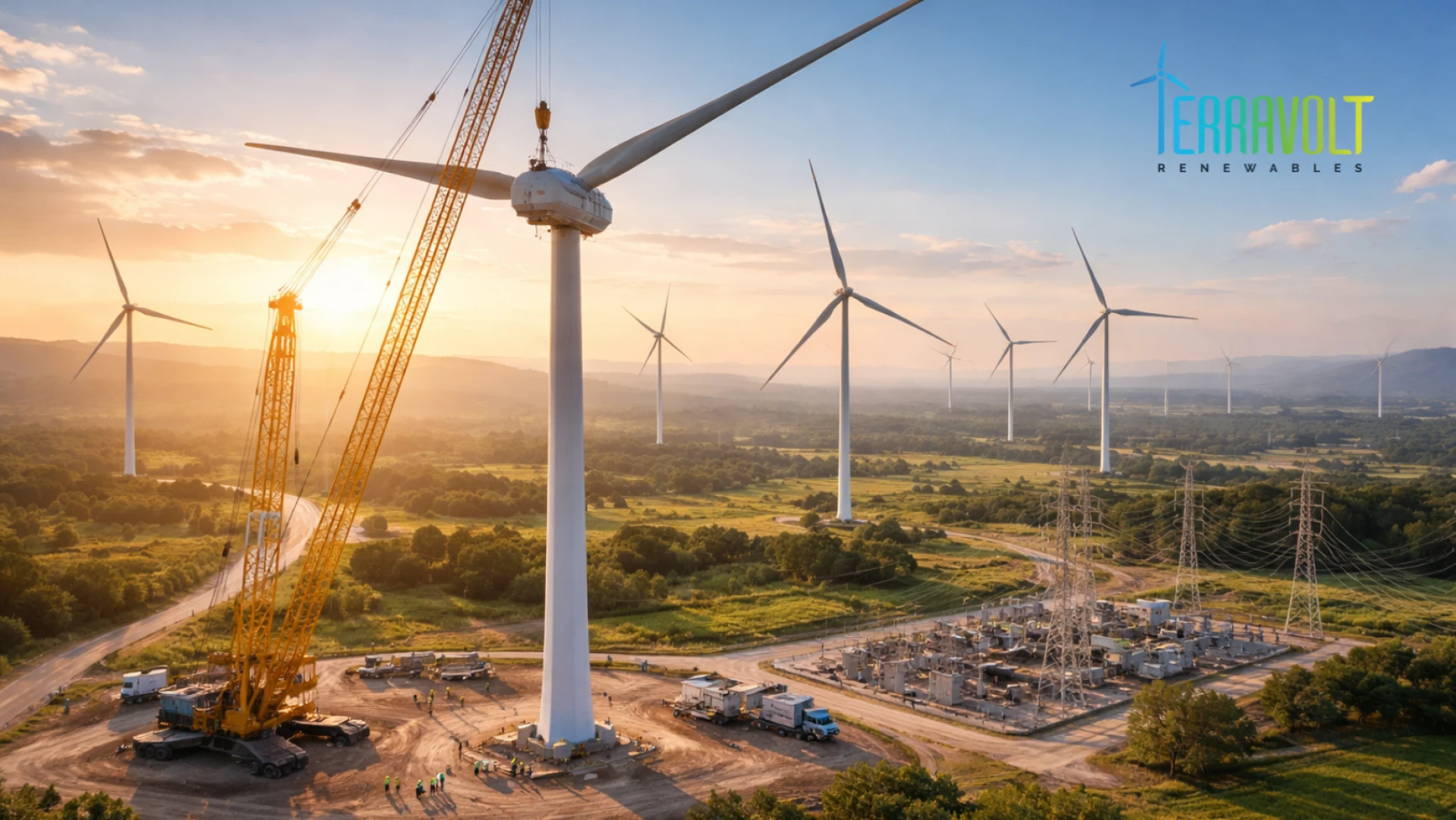

The global shift toward renewable energy has placed wind power at the forefront of the green revolution. As India aims to achieve its ambitious non-fossil fuel capacity targets, the role of professional wind energy contractors has never been more critical. Building a wind farm is a multifaceted challenge that requires precision engineering, regulatory expertise, and seamless logistical management.
From land acquisition to the final synchronization with the grid, the journey of a wind project is paved with technical hurdles that only seasoned experts can navigate effectively. For developers and investors, the primary goal is to minimize downtime and maximize the capacity utilization factor (CUF) of their assets.
The Value of Integrated Project Management
In the early days of the renewable sector, developers often managed multiple vendors—one for civil works, another for turbine supply, and a third for electrical commissioning. This fragmented approach frequently led to delays, cost overruns, and a lack of accountability.
Today, the industry has shifted toward a more streamlined model. Partnering with a comprehensive wind epc contractors firm allows for a "turnkey" experience. This means a single entity takes full responsibility for the project’s lifecycle, ensuring that the engineering designs perfectly match the procured hardware and that construction schedules are strictly maintained.
Core Services Provided by Industry Leaders
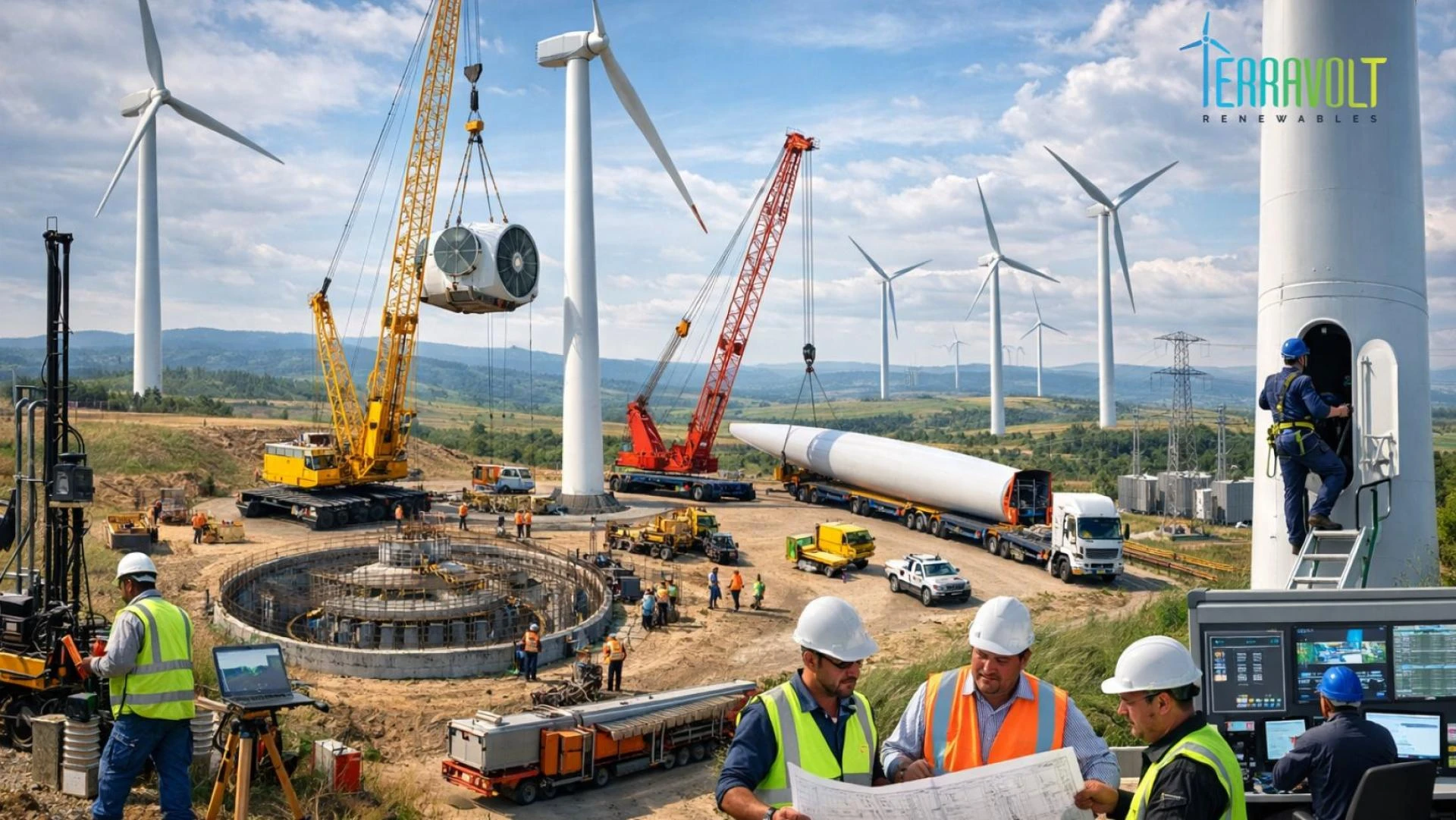
The scope of work for modern renewable energy firms goes far beyond just erecting turbines. Here are the key pillars of their service:
1. Site Assessment and Feasibility
Before a single shovel hits the ground, contractors conduct rigorous wind resource assessments. Using advanced anemometry and data modeling, they determine the optimal placement of turbines (micro-siting) to maximize energy yield.
2. Engineering and Design
This phase involves designing the structural foundations, internal road networks, and electrical infrastructure. Every site has unique topographical and soil conditions, requiring bespoke engineering solutions to ensure the long-term stability of the massive turbine structures.
3. Procurement and Logistics
Managing the supply chain for a wind farm is a massive undertaking. Project managers coordinate the transport of oversized components—blades often exceeding 60 meters and heavy tower sections—across complex terrains. They leverage established relationships with manufacturers to source high-quality components at competitive prices.
4. Civil and Electrical Construction
The construction phase includes:
- Foundation Work: Pouring high-strength concrete bases capable of withstanding extreme torque.
- Substation Construction: Building the hubs that collect and step up the voltage for long-distance transmission.
- Grid Connectivity: Navigating the technical and regulatory requirements to connect the farm to the national grid.
Why Professional EPC Expertise Matters
The wind sector is fraught with variables—from unpredictable weather to shifting regulatory landscapes. Choosing a dedicated partner offers several strategic advantages:
- Regulatory Compliance: Navigating land acquisition, environmental clearances, and "Right of Way" (RoW) issues requires deep local knowledge.
- Risk Mitigation: Experienced teams have contingency plans for logistical delays or technical hurdles during the installation phase.
- Cost Efficiency: Through optimized design and streamlined procurement, a professional contractor can significantly lower the Levelized Cost of Energy (LCOE).
The Importance of Operations and Maintenance (O&M)
A wind farm's journey doesn't end at commissioning. To ensure a 25-year lifespan, continuous monitoring is essential. Many top-tier providers offer integrated O&M services. This includes:
- Real-time performance monitoring via SCADA systems.
- Preventative maintenance of mechanical components (gearboxes, generators, and bearings).
- Blade inspections and repairs using drone technology and rope access teams.
Choosing the Right Partner in India
With India’s wind potential estimated at over 300 GW at 100 meters hub height, the market is growing rapidly. However, not all service providers are created equal. When evaluating a partner, consider their track record in diverse geographies—from the gusty coastal regions of Gujarat to the high-altitude terrains of the southern states.
Leading firms, such as Terravolt, have set benchmarks in delivering high-efficiency projects that adhere to international safety and quality standards. Their ability to integrate civil, electrical, and mechanical engineering under one roof simplifies the process for independent power producers (IPPs).
Future Trends: Hybridization and Repowering
The industry is currently witnessing a shift toward "Hybrid" projects—combining wind and solar energy to ensure a more stable, round-the-clock power supply. Additionally, "Repowering" is becoming a major focus. This involves replacing older, smaller turbines with modern, high-capacity models at existing sites. Expert firms are now specializing in these complex upgrades to squeeze more value out of established wind-rich locations without the need for new land acquisition.
Conclusion
Investing in wind energy is a commitment to a cleaner future and a hedge against the volatility of fossil fuel costs. However, the complexity of these projects demands a partner who understands the intricacies of the landscape.
By hiring specialized experts, developers gain access to technical excellence, project management rigor, and a streamlined path to grid connection. Whether you are launching a new utility-scale wind farm or looking to optimize an existing asset, the right expertise is the most valuable component of your renewable energy strategy.


























Sign in to leave a comment.