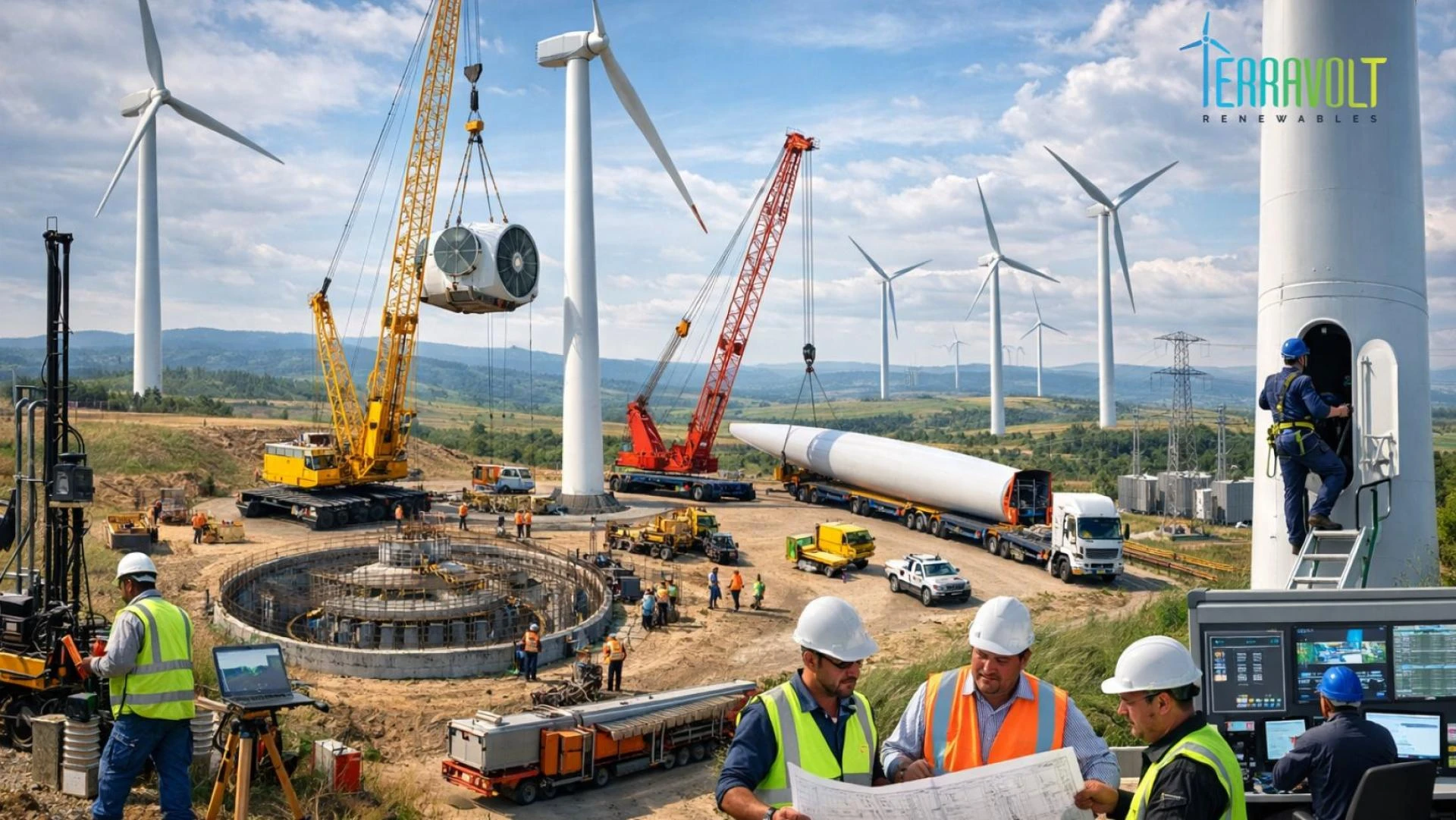

The global transition toward renewable energy has placed wind power at the forefront of the green revolution. As nations strive to meet ambitious net-zero targets, the demand for sophisticated infrastructure has surged. However, building a wind farm is an intricate undertaking that requires more than just high-quality turbines; it requires the technical mastery of professional wind energy contractors. These specialists provide the backbone for large-scale utility projects, ensuring that kinetic energy is successfully and efficiently converted into grid-ready electricity.
The Critical Role of Infrastructure Partners
In the renewable sector, the "EPC" model—Engineering, Procurement, and Construction—is the gold standard for project delivery. By integrating these three pillars, developers can ensure that complex technical requirements are met without the friction of managing multiple disconnected vendors. This unified approach is essential for maintaining the structural integrity and electrical efficiency of modern power plants.
From the initial soil testing to the final synchronization with the local grid, a lead contractor acts as the architect of the project’s success, navigating the high-stakes environment of heavy lifting and high-voltage engineering.
Phase 1: Engineering and Site Assessment
Before a single blade arrives at the site, extensive engineering work must be completed. High-quality teams begin with:
- Micrositing: Using advanced computational fluid dynamics (CFD) to determine the exact placement of each turbine to maximize wind yield.
- Geotechnical Surveys: Analyzing soil stability to design robust foundations capable of supporting massive tower structures.
- Electrical Design: Planning the substations and collection systems that will transport power from the turbines to the utility grid.
Specialized Project Delivery
Navigating the complexities of large-scale renewable projects requires a partner capable of handling end-to-end responsibilities. Engaging experienced wind EPC contractors allows project owners to streamline the entire development lifecycle under a single point of responsibility. Instead of managing dozens of separate entities for civil works, electrical engineering, and logistics, a dedicated partner oversees the integration of these moving parts to minimize risks and reduce overhead costs.
Phase 2: Procurement and Logistics
The procurement phase involves sourcing components that meet specific project requirements and environmental conditions. Professional teams manage the complex supply chain, ensuring that turbines, transformers, and cabling are delivered on time. Logistics is often the most challenging aspect, as transporting 80-meter blades requires specialized transport permits, escort vehicles, and meticulously planned routes.
Phase 3: Construction and Commissioning
This is where the physical transformation happens. The construction phase includes:
- Civil Works: Building access roads and crane pads.
- Foundation Pouring: Creating the reinforced concrete bases.
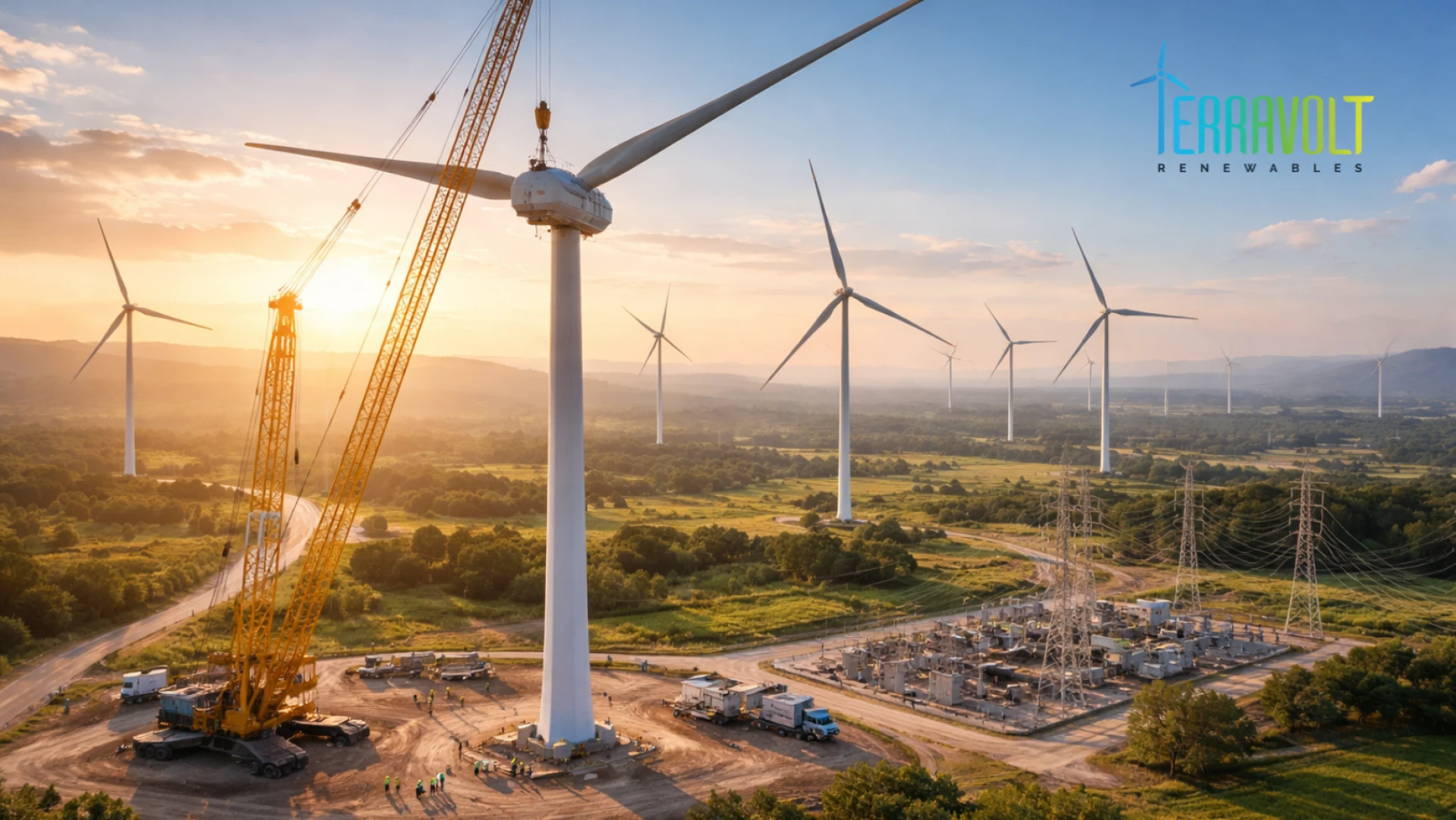
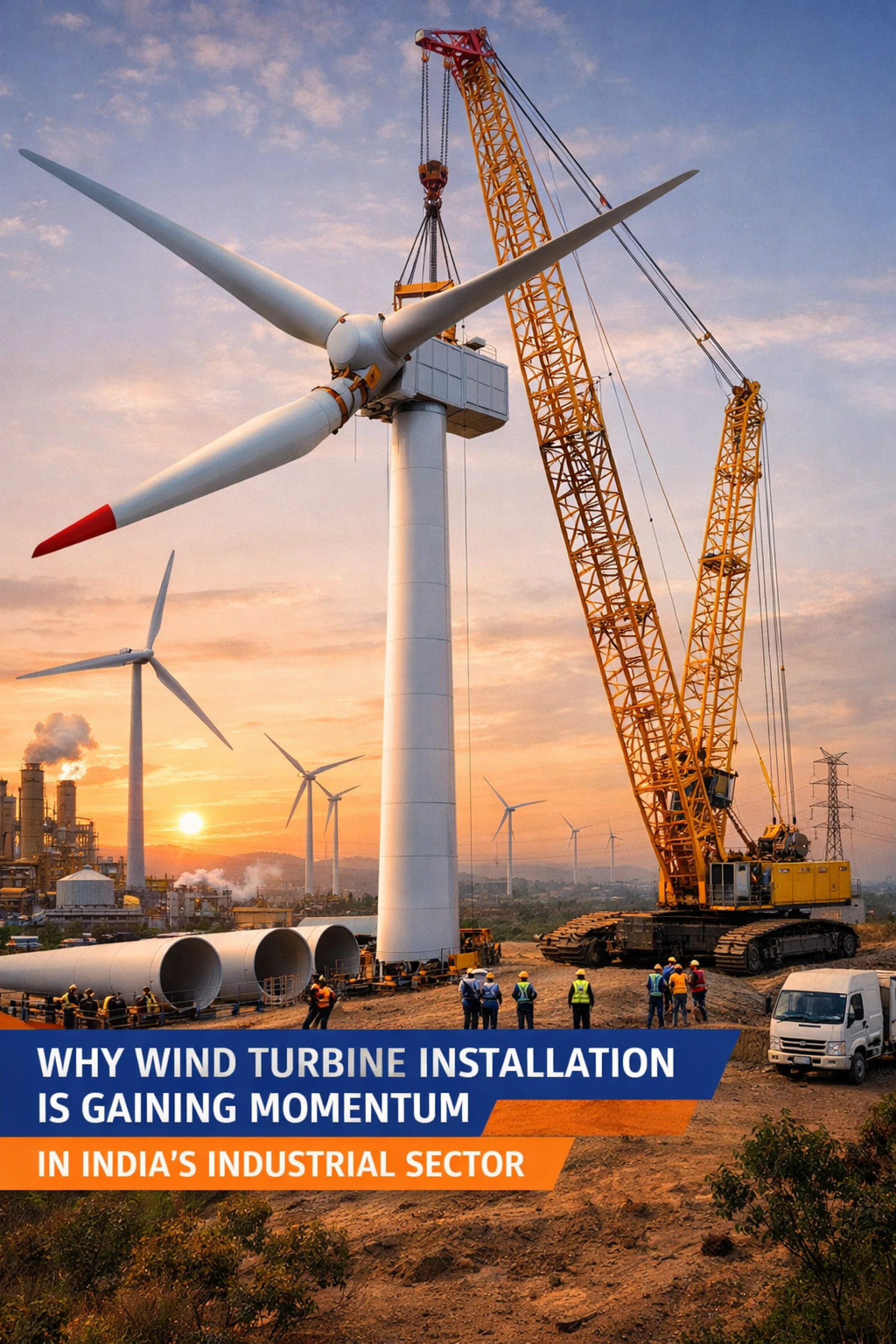
- Mechanical Erection: The precision lifting of the tower sections, the nacelle, and the rotor blades.
- Commissioning: Rigorous testing of the mechanical and electrical systems to ensure safety and performance standards are met before the "flip of the switch."
Why Experience Matters in Wind Contracting
Choosing the right partner is not merely about the lowest bid; it is about mitigating long-term operational risk. Experienced firms bring a deep understanding of local regulatory landscapes and environmental permits. Whether dealing with noise regulations, avian protection laws, or land-use rights, a seasoned contractor ensures the project remains compliant throughout its lifespan.
Furthermore, the integration of technology—such as SCADA (Supervisory Control and Data Acquisition) systems—is a hallmark of modern wind infrastructure services. These systems allow for real-time monitoring and predictive maintenance, ensuring that the wind farm operates at peak efficiency for decades.
Choosing a Local Specialist
For developers looking to execute projects with precision, partnering with a firm that understands regional topography and grid requirements is essential. Companies like TerraVolt provide specialized services that bridge the gap between complex engineering and sustainable energy production. By focusing on end-to-end solutions, they ensure that the transition from a vacant plot of land to a functional wind farm is seamless and cost-effective.
Conclusion
The path to a sustainable future is paved with steel, concrete, and high-voltage wiring. To navigate this path, developers must rely on the expertise of those who understand the nuances of renewable infrastructure. By utilizing comprehensive engineering and construction services, stakeholders can ensure their projects are delivered on time, within budget, and optimized for maximum energy production.
Investing in wind energy is a commitment to the planet and a long-term financial strategy. Ensuring that your project is handled by professionals is the most effective way to guarantee that your contribution to the green energy transition is both powerful and permanent.
To help you better understand the landscape of renewable energy development, we have compiled the most common questions regarding the role of specialized contractors in the wind sector.
Frequently Asked Questions About Wind Energy Infrastructure
1. What is the difference between a general contractor and wind energy contractors?
While a general contractor manages broad construction tasks, wind energy contractors possess specialized expertise in high-altitude mechanical assembly, specialized heavy-lift crane operations, and high-voltage electrical integration. They understand the specific aerodynamic and structural stresses unique to wind turbines that standard construction firms may not be equipped to handle.
2. Why should I hire wind EPC contractors instead of managing the project myself?
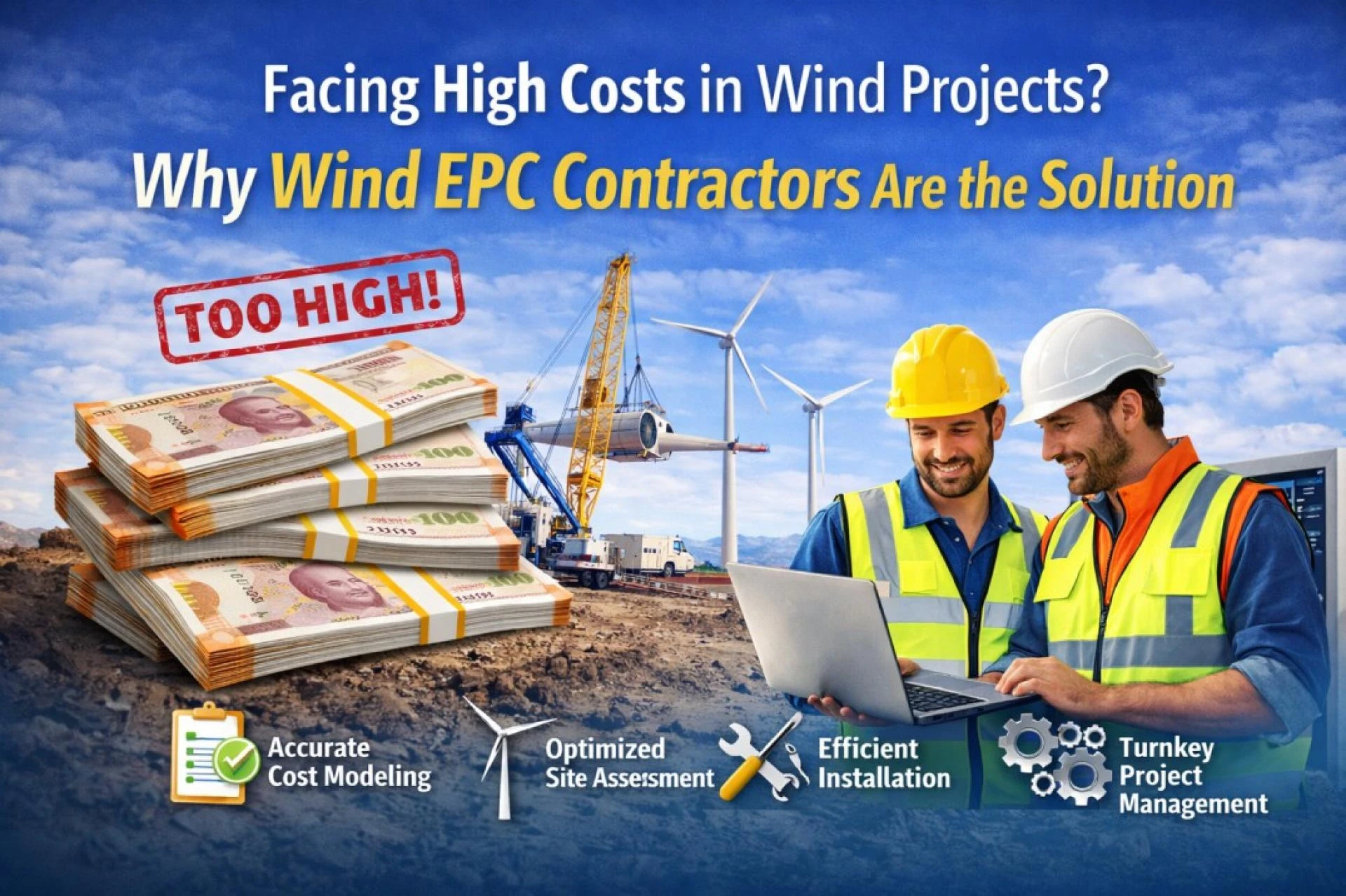
Hiring wind EPC contractors provides a "turnkey" solution. Instead of the project owner acting as the middleman between engineers, equipment vendors, and laborers, the EPC firm takes on the total risk and coordination. This typically results in faster project completion, fewer budgetary overruns, and a single point of accountability for any technical failures.
3. How long does the typical wind farm construction process take?
The timeline varies based on project size, but generally, the construction phase takes between 6 to 12 months. However, the pre-construction phase—including wind resource assessment and environmental permitting—can take 1 to 3 years. A specialized contractor helps expedite the construction window through optimized logistics.
4. What are the biggest risks in wind energy projects?
The primary risks include:
- Logistical Delays: Transporting massive blades and tower sections through narrow or restricted routes.
- Weather Conditions: High winds or extreme storms can halt crane operations and assembly.
- Grid Interconnection: Delays in getting the local utility to approve and connect the new power source.
5. Can an EPC contractor help with existing wind farm maintenance?
Yes. Many firms that handle the initial Engineering, Procurement, and Construction also offer O&M (Operations and Maintenance) services. This is often beneficial because they are already intimately familiar with the site’s electrical layout and mechanical specifications.
6. What certifications should I look for in a wind contractor?
Look for ISO certifications for quality and environmental management (ISO 9001 and 14001), as well as rigorous health and safety standards (such as ISO 45001). Additionally, ensure they have a proven track record with the specific turbine technology you plan to deploy.
























Sign in to leave a comment.