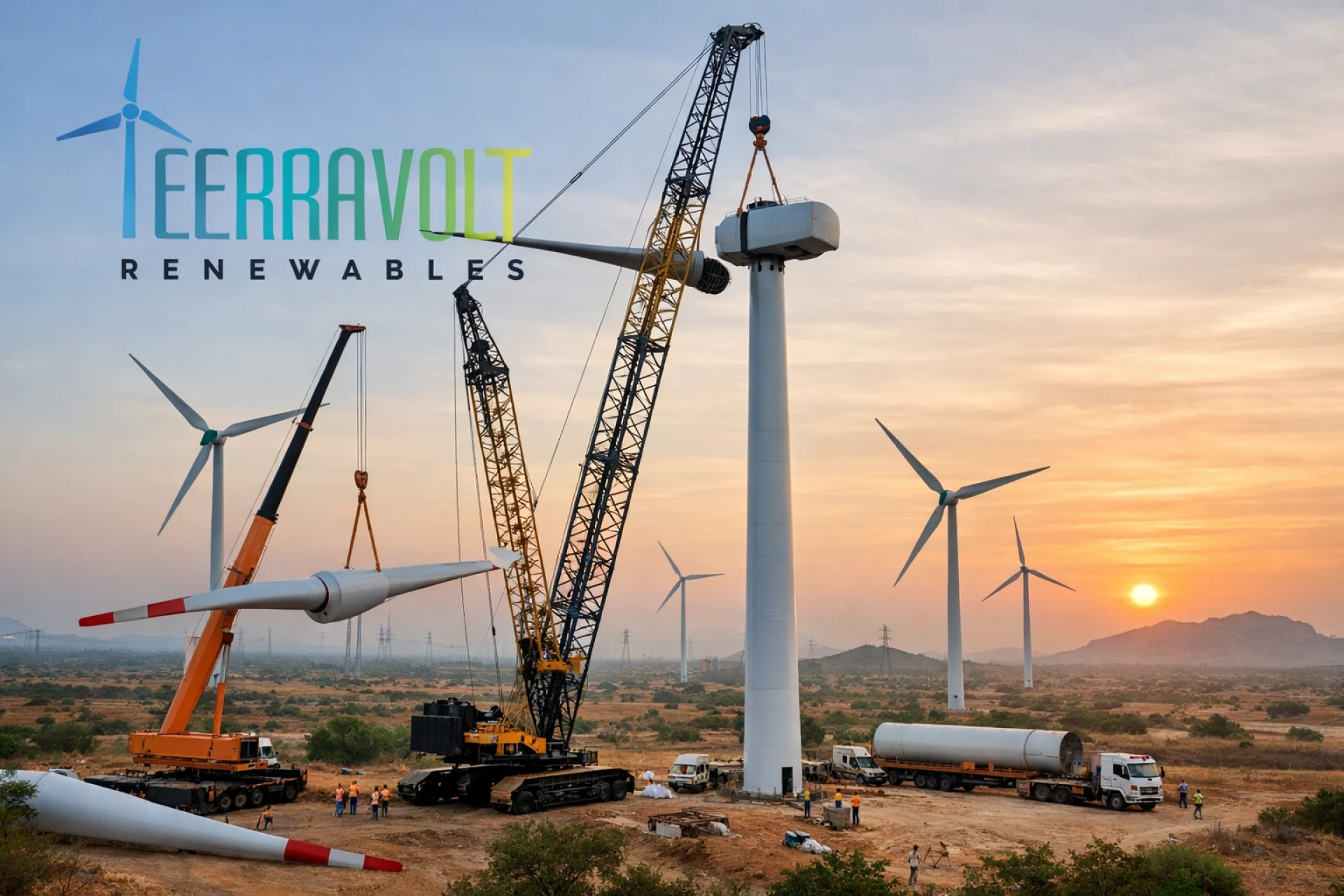

India’s shift toward clean and reliable power has made wind energy a key pillar of the national renewable strategy. With strong wind corridors across states such as Tamil Nadu, Gujarat, Karnataka, Maharashtra, and Rajasthan, businesses and utilities are increasingly investing in onshore wind projects. However, the success of any project depends not only on wind potential but also on planning, engineering quality, and execution expertise.
This is where professional wind turbine installation plays a decisive role. From feasibility analysis to commissioning, a structured approach ensures long-term performance, safety compliance, and financial viability. This article explains how wind projects are executed in India, the role of specialized partners, and what stakeholders should evaluate before moving forward.
Understanding the Wind Energy Project Lifecycle
Wind projects follow a defined lifecycle that balances technical, environmental, and commercial factors. Each stage requires coordination between multiple disciplines.
1. Site Identification and Assessment
Before any equipment arrives on site, developers conduct detailed studies, including:
- Wind resource assessment and micro-siting
- Land availability and access road planning
- Grid proximity and evacuation feasibility
- Environmental and statutory clearances
Accurate early-stage assessment reduces risks and avoids costly design changes later.
2. Engineering and Design
Once a site is finalized, engineering teams prepare:
- Foundation designs based on soil conditions
- Electrical layouts for internal cabling and substations
- Load calculations aligned with turbine specifications
Sound engineering ensures structural stability and efficient power evacuation throughout the project’s life.
Role of Professional Wind Energy Contractors
Executing a wind project requires more than civil works or turbine supply. Experienced wind energy contractors coordinate multiple activities under strict timelines and safety standards.
Key responsibilities typically include:
- Civil construction and foundation execution
- Transportation and logistics of turbine components
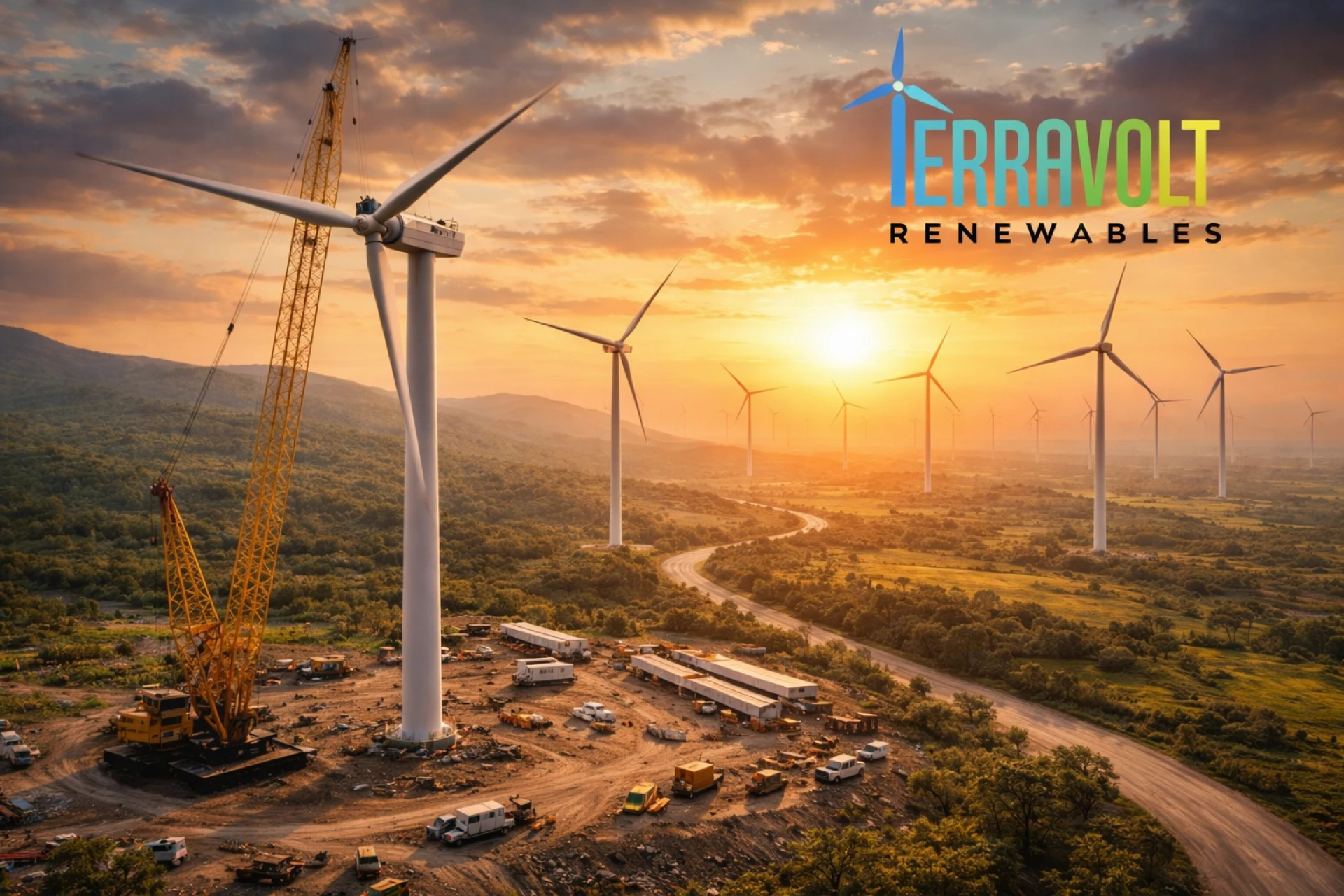
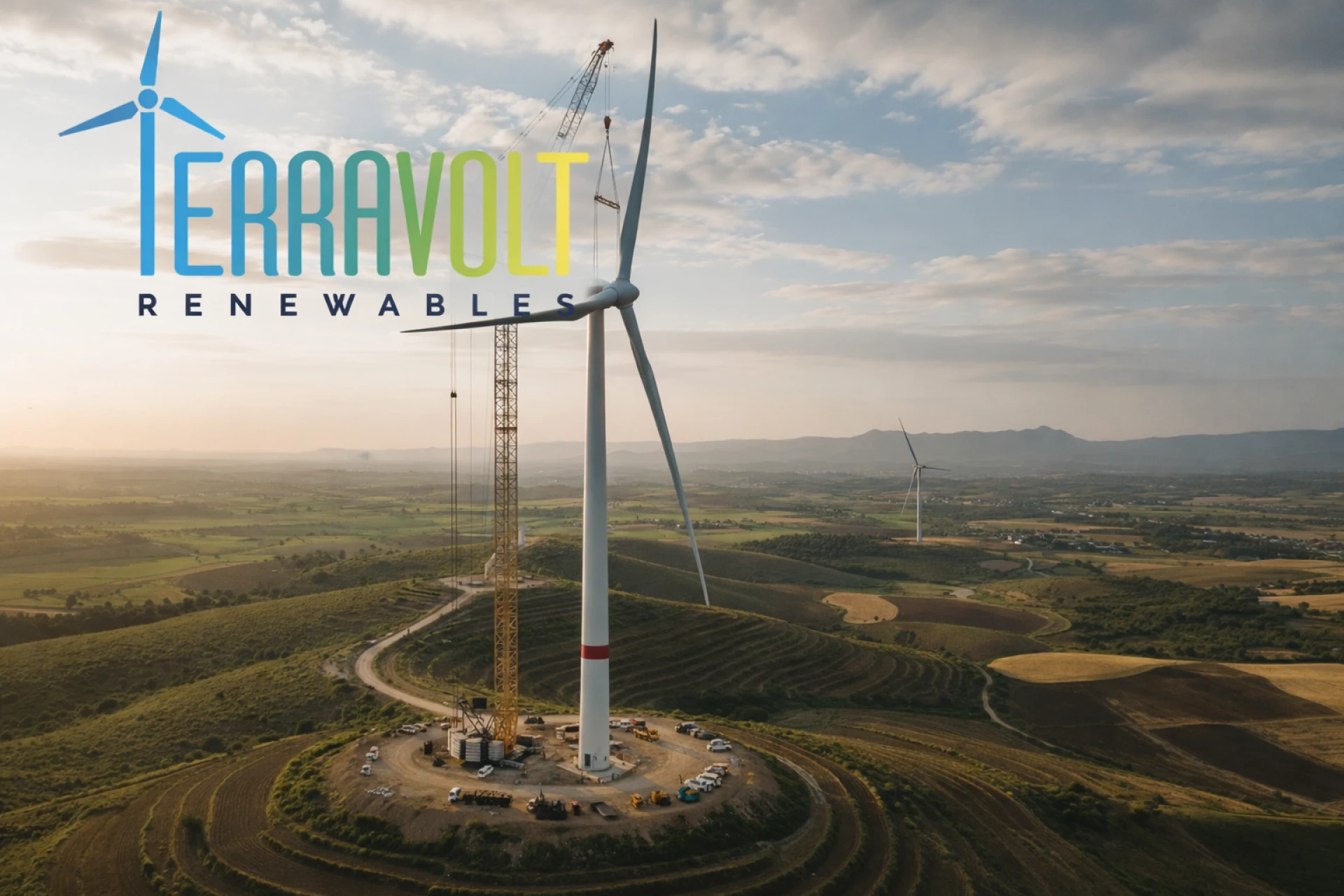
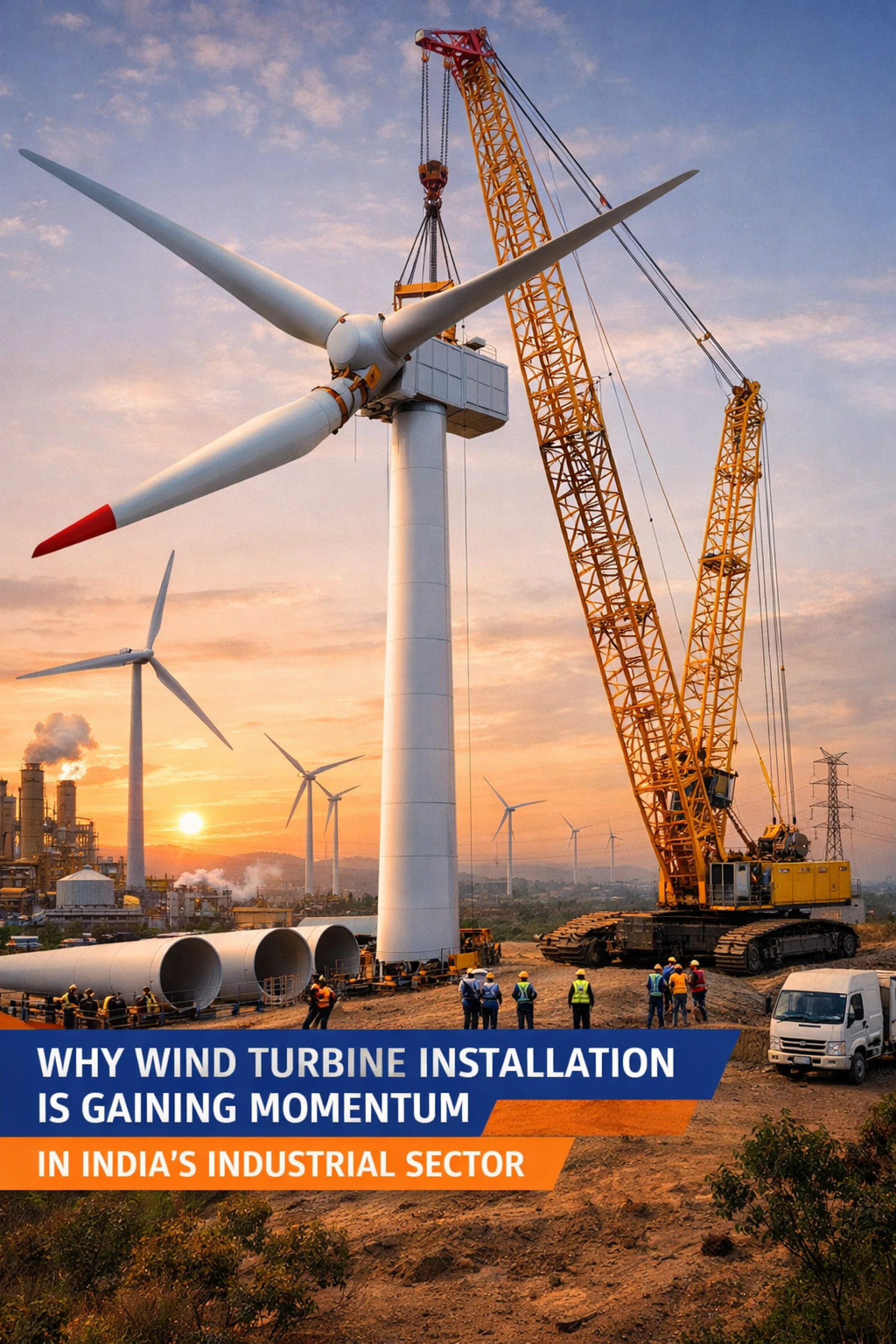
- Turbine erection using specialized cranes
- Electrical balance of plant (EBOP) works
- Testing, commissioning, and grid synchronization
By managing these activities under a single framework, contractors help reduce delays, interface risks, and operational inefficiencies.
EPC Model and Its Importance in Wind Projects
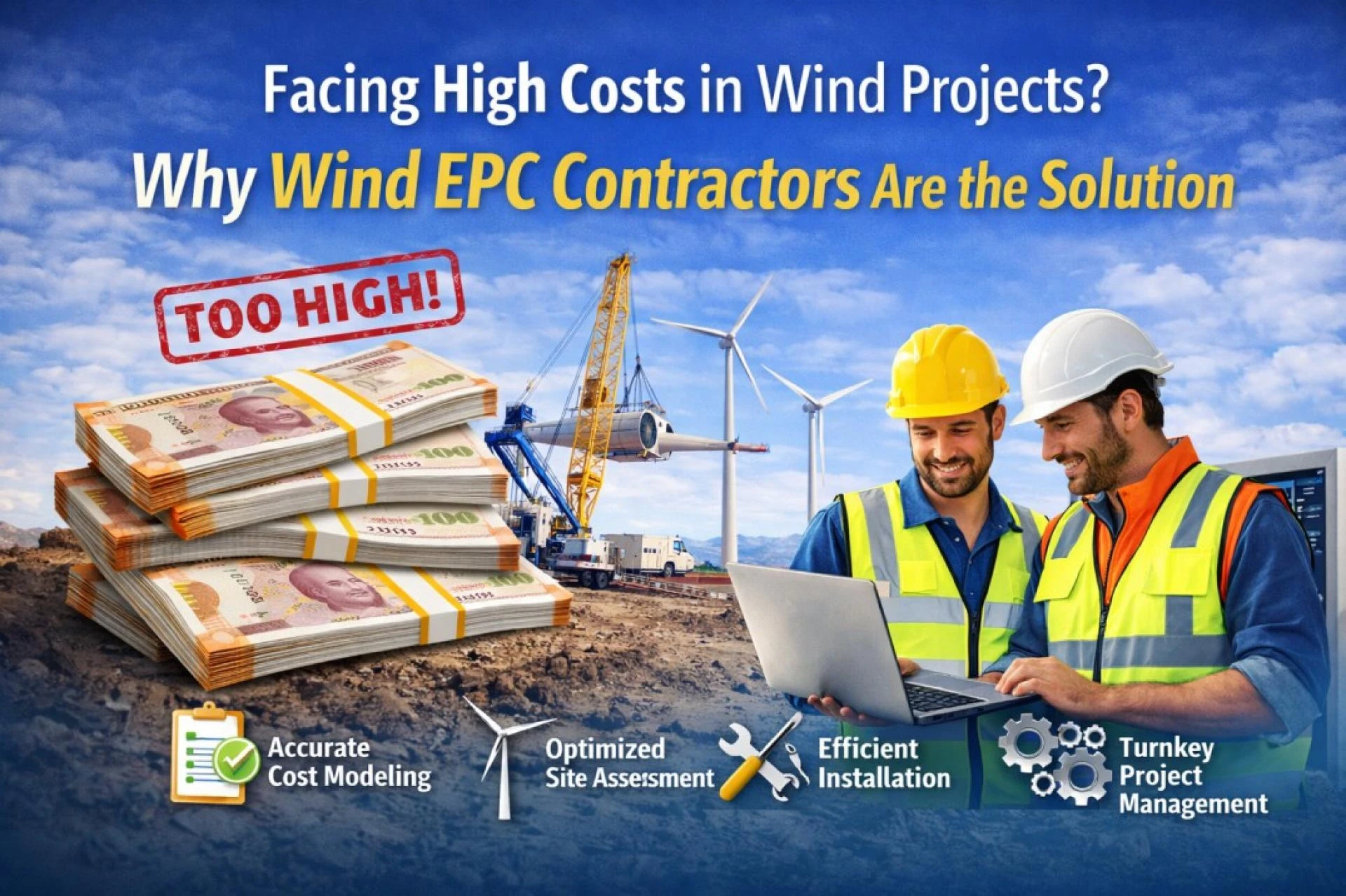
Many developers today prefer the EPC (Engineering, Procurement, and Construction) model for wind projects. Under this approach, a single partner takes end-to-end responsibility, ensuring accountability and consistency.
Advantages of the EPC Approach
- Clear project ownership and coordination
- Optimized timelines through integrated planning
- Better cost control and risk management
- Streamlined communication for developers and investors
This model is widely adopted by utility-scale and captive power projects seeking predictable outcomes.
What to Look for in Wind Power Installation Companies
Selecting the right execution partner is a strategic decision. Reliable wind power installation companies typically demonstrate:
- Proven experience in similar terrain and wind zones
- Strong engineering and safety track records
- Knowledge of local regulations and grid codes
- Capability to deliver turnkey or customized solutions
- Focus on long-term asset performance, not just construction
Evaluating past projects, technical teams, and execution methodologies helps stakeholders make informed choices.
India-Specific Considerations for Wind Projects
India’s diverse geography and regulatory landscape mean that wind projects are rarely “one-size-fits-all.” Key regional considerations include:
- Varying soil profiles affecting foundation design
- State-wise grid policies and evacuation norms
- Monsoon planning to avoid construction disruptions
- Local community engagement and land agreements
Partners with on-ground experience across Indian wind corridors are better equipped to navigate these challenges efficiently.
Ensuring Long-Term Performance and Reliability
Beyond commissioning, long-term success depends on build quality and system integration. Attention to details such as cable routing, earthing systems, and alignment during erection directly impacts turbine availability and maintenance costs.
A well-executed project delivers:
- Stable energy generation
- Reduced downtime and operational risks
- Predictable returns over the project lifecycle
This makes execution quality as important as turbine selection or site choice.
Conclusion
Wind energy continues to be a cornerstone of India’s renewable growth, offering scalable and cost-effective power for businesses and utilities alike. Successful projects are built on careful planning, robust engineering, and disciplined execution. Understanding the project lifecycle, choosing capable partners, and accounting for regional factors can significantly improve outcomes.
For stakeholders exploring wind investments, working with experienced service providers who offer integrated solutions—from assessment to commissioning—helps ensure that wind assets perform reliably for decades. With the right approach, wind power remains a sustainable and strategically sound energy choice for India’s future.

























Sign in to leave a comment.