
Modern industries rely on materials that deliver durability, consistency, and adaptability. Among
these essential materials, lead continues to play a vital role in manufacturing, energy storage,
construction, and specialized industrial applications. When processed into billets, this versatile
metal becomes easier to handle, transport, and transform into finished products that meet strict
technical standards.
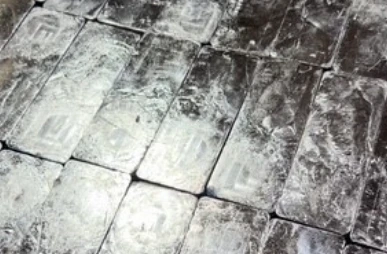
Lead billets are solid, semi-finished metal forms cast into uniform shapes. They are designed to
be remelted or further processed into sheets, pipes, alloys, and components. Their consistency
in size and composition makes them particularly valuable for manufacturers seeking reliable
performance in demanding environments.
Understanding how billets are produced and how sourcing impacts quality can help businesses
make informed decisions in competitive markets.
Understanding Lead Billets and Their Industrial Role
What Are Lead Billets?
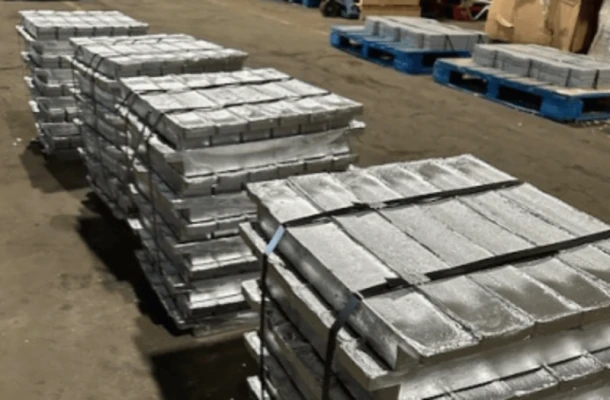
Lead billets are cylindrical or rectangular blocks of refined lead cast into standardized
dimensions. These billets serve as raw material for secondary manufacturing processes. Their
shape allows for convenient stacking, storage, and controlled melting during production.
Unlike irregular scrap materials, billets offer predictable composition and purity. This uniformity
reduces processing complications and improves efficiency across production lines. Industries
that depend on consistent metallurgy often prefer billets for this reason.
Why Billets Matter in Manufacturing
Manufacturers transform billets into various products such as battery grids, cable sheathing,
radiation shielding sheets, and industrial linings. The quality of the billet directly affects the
mechanical and chemical properties of the final product.
In sectors such as automotive battery production, purity is critical. Even small impurities can
influence corrosion resistance and electrical performance. Reliable lead billets suppliers help
ensure that manufacturers receive materials meeting strict chemical specifications.
Key Applications Across Industries
Energy Storage and Battery Production
Lead-acid batteries remain a widely used energy storage solution worldwide. From automobiles
to backup power systems and renewable energy storage, these batteries require high-quality
base materials. Billets provide a dependable starting point for casting battery grids and plates.
Consistency in billet composition enhances battery lifespan and reliability. For manufacturers,
working with trusted lead billets suppliers means fewer production disruptions and improved
quality control.
Construction and Infrastructure
Lead has long been valued in construction for its durability and resistance to moisture. Billets
are processed into sheets, flashing materials, and soundproofing components. In roofing and
architectural detailing, lead products offer flexibility and long-term performance.
Infrastructure projects also use lead in expansion joints and protective linings. The adaptability
of billet-based products supports both structural stability and environmental protection.
Radiation Shielding and Healthcare
Healthcare facilities rely on lead’s density to shield against harmful radiation. Billets are
transformed into panels and sheets used in X-ray rooms and diagnostic laboratories. Uniform
metal quality ensures effective protection without structural weaknesses.
Hospitals and research centers often require precise specifications. Dependable lead billets
suppliers play a significant role in meeting these technical requirements while adhering to
safety standards.
Quality Standards and Refining Processes
Producing high-grade billets involves careful refining to remove impurities and achieve
consistent chemical composition. Modern smelting and casting technologies ensure uniformity
in both structure and performance.
Each batch typically undergoes testing for purity levels, density, and mechanical properties. This
rigorous process minimizes risks during further manufacturing. Industries that rely on strict
compliance standards prefer sourcing from experienced lead billets suppliers with proven
quality assurance systems.
Traceability is another essential factor. Knowing the origin and refining process of billets allows
manufacturers to meet regulatory requirements and maintain transparency in supply chains.
Sustainability and Recycling
One of the most significant advantages of lead is its recyclability. A large percentage of global
lead production comes from recycled materials, particularly from used batteries. This closed-
loop system reduces the need for new mining while conserving natural resources.
Billets produced from recycled lead undergo refining processes similar to those using primary
raw materials. High-quality standards ensure that recycled lead performs just as effectively in
industrial applications. Responsible lead billets suppliers often integrate recycling initiatives
into their production systems, contributing to environmental sustainability.
By promoting recycling and efficient resource management, industries can reduce waste while
maintaining dependable material performance.
Choosing the Right Supplier
Selecting a reliable supplier is crucial for maintaining consistent production quality. Businesses
should evaluate several factors before establishing long-term partnerships.
Consistency and Certification
Look for suppliers that adhere to recognized quality standards and provide certification for each
batch. Verified testing reports and documented processes indicate professionalism and
accountability.
Technical Expertise
Experienced lead billets suppliers understand the unique requirements of various industries.
Their expertise enables them to recommend appropriate compositions and respond effectively
to technical challenges.
Supply Chain Reliability
Timely delivery and logistical efficiency are vital for uninterrupted production. Strong supply
chain management ensures that manufacturers receive materials when needed, preventing
costly downtime.
Environmental Responsibility
Responsible sourcing and recycling practices demonstrate a commitment to sustainability.
Suppliers who prioritize environmental compliance help businesses align with global regulatory
expectations.
Innovation and Custom Alloy Development
As industries evolve, customization becomes increasingly important in material selection.
Modern manufacturing often requires billets with specific alloy compositions tailored to unique
performance demands. Advanced metallurgical techniques allow precise adjustments in
hardness, corrosion resistance, and conductivity. By collaborating closely with technical teams,
manufacturers can ensure billets meet exact operational standards while supporting efficiency,
durability, and long-term product reliability.
The Future of Lead Billets in Modern Industry
As technology advances, industries continue to demand materials that balance strength,
adaptability, and environmental responsibility. Lead billets remain relevant because they
combine established performance with recyclability.
Emerging innovations in battery storage, renewable energy, and industrial processing will likely
sustain demand for high-quality billets. Manufacturers depend on consistent raw materials to
meet evolving standards. Partnering with reliable lead billets suppliers supports long-term
operational success and product integrity.
In a world where precision and reliability are essential, lead billets provide a stable foundation
for countless applications. From powering vehicles to protecting healthcare professionals, these
solid metal forms contribute quietly but significantly to modern infrastructure.
By focusing on quality, sustainability, and technical expertise, industries can continue to benefit
from the enduring value of lead billets for years to come.






















Sign in to leave a comment.