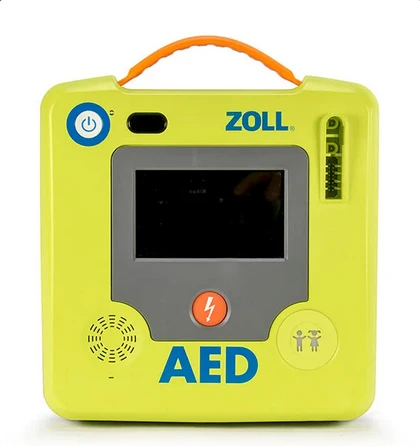

In a world where every second counts, the availability of a reliable and functional defibrillator can mean the difference between life and death. These remarkable devices, designed to deliver a controlled electric shock to the heart, have become an essential tool in the battle against sudden cardiac arrest, a leading cause of death worldwide. At the heart of this lifesaving technology lies a crucial component: the defibrillator battery.
The Role of the Defibrillator Battery
A defibrillator, whether it\'s the automated external defibrillator (AED) found in public places or the advanced models used by healthcare professionals, relies on a battery to power its essential functions. This battery serves as the primary source of energy, enabling the device to perform its critical tasks with precision and efficiency.
When a person experiences sudden cardiac arrest, the defibrillator\'s battery provides the necessary power to analyze the heart\'s rhythm, determine whether a shock is required, and then deliver the appropriate electrical impulse to the patient\'s chest. This rapid and targeted intervention can help restore the heart\'s normal rhythm, increasing the individual\'s chances of survival.
The Importance of Battery Maintenance
Maintaining the defibrillator\'s battery in optimal condition is paramount to ensuring the device\'s reliability and effectiveness. Just as a car\'s battery must be well-cared for to start the engine, a defibrillator\'s battery must be properly maintained to ensure it can perform its lifesaving duties when needed.
Checking Battery Charge and Replacement
Regular checks of the defibrillator\'s battery charge level are essential. Many modern defibrillators feature indicators or alarms that alert users when the battery is low or needs replacement. Heeding these warnings and replacing the battery as recommended by the manufacturer is crucial to maintaining the device\'s readiness.
Replacing the battery at the appropriate intervals, as specified by the manufacturer, helps to ensure that the defibrillator is always prepared to respond to an emergency. Failing to replace the battery can lead to a loss of power during a critical moment, rendering the defibrillator useless and potentially costing a life.
Proper Storage and Handling
In addition to regular battery checks, proper storage and handling of the defibrillator are essential to preserving the battery\'s longevity. Exposing the device to extreme temperatures, moisture, or physical damage can compromise the battery\'s performance and lifespan.
Storing the defibrillator in a climate-controlled environment, away from direct sunlight or harsh conditions, can help to extend the battery\'s useful life. Additionally, handling the device with care, avoiding drops or impacts, can prevent potential damage to the battery and other internal components.
The Consequences of a Failing Defibrillator Battery
The consequences of a failing or depleted defibrillator battery can be catastrophic, especially in emergency situations where every second counts.
Delayed Response Time
When a defibrillator\'s battery is low or malfunctioning, the device may take longer to power on, analyze the patient\'s heart rhythm, and deliver the necessary shock. This delay can prove crucial, as the chances of survival decrease by up to 10% for every minute that passes without effective treatment.
In a time-sensitive scenario, such as a sudden cardiac arrest, these precious seconds can mean the difference between life and death. A defibrillator that fails to respond or function properly due to a faulty battery can ultimately lead to a preventable tragedy.
Inaccurate Rhythm Analysis
The defibrillator\'s battery powers its ability to accurately analyze the patient\'s heart rhythm and determine whether a shock is required. If the battery is weakened or depleted, the device\'s ability to perform this critical assessment may be compromised.
An inaccurate rhythm analysis can lead to the defibrillator failing to deliver a shock when it\'s needed or, conversely, delivering a shock when it\'s not necessary. Both scenarios can have severe consequences for the patient\'s well-being and chances of survival.
Inability to Deliver Effective Shocks
At the core of a defibrillator\'s purpose is its ability to deliver a controlled electrical shock to the patient\'s heart, with the goal of restoring a normal rhythm. A failing battery can compromise the device\'s capacity to deliver this lifesaving shock, rendering the defibrillator useless in the face of a cardiac emergency.
Without the necessary power from a well-maintained battery, the defibrillator may not be able to generate the required voltage or current to effectively shock the heart and initiate the recovery process. This can lead to the patient\'s condition deteriorating further, with devastating consequences.
Ensuring Defibrillator Readiness
To mitigate the risks associated with a failing defibrillator battery, it is essential to implement a comprehensive maintenance and monitoring program. This includes regular inspections, battery replacement, and adherence to the manufacturer\'s recommendations.
By prioritizing the maintenance of defibrillator batteries, healthcare providers, emergency responders, and community organizations can ensure that these vital devices are always ready to spring into action when needed. This commitment to readiness can mean the difference between life and death in the most critical moments.
Conclusion
The defibrillator battery is the unsung hero of lifesaving technology, quietly powering the device that can mean the difference between life and death. By understanding the importance of this critical component and implementing best practices for its maintenance, we can help to ensure that defibrillators remain a reliable and effective tool in the fight against sudden cardiac arrest.
As we continue to advance medical technology and enhance emergency response capabilities, the role of the defibrillator battery will only grow in significance. By prioritizing its care and ensuring the readiness of these devices, we can empower our communities to respond quickly and effectively when every second counts. Together, we can work to save more lives and make a lasting impact on public health and safety.




























Sign in to leave a comment.