

Substation automation has become increasingly important in the power industry. It refers to the use of advanced technology to monitor and control various aspects of a substation, both locally and remotely. Substation automation systems (SAS) can provide valuable data on the operation of a substation and the status of its equipment, which can help utilities to optimize performance, reduce costs, and improve reliability.
Fundamentals of Substation Automation:
A substation automation system consists of a variety of components that work together to provide comprehensive monitoring and control capabilities. Some of the most important components of a SAS include:
Remote Terminal Units (RTUs): These are intelligent electronic devices (IEDs) that collect data from sensors and relays in the substation and send it to a central control system. RTUs can also issue control commands to substation equipment.
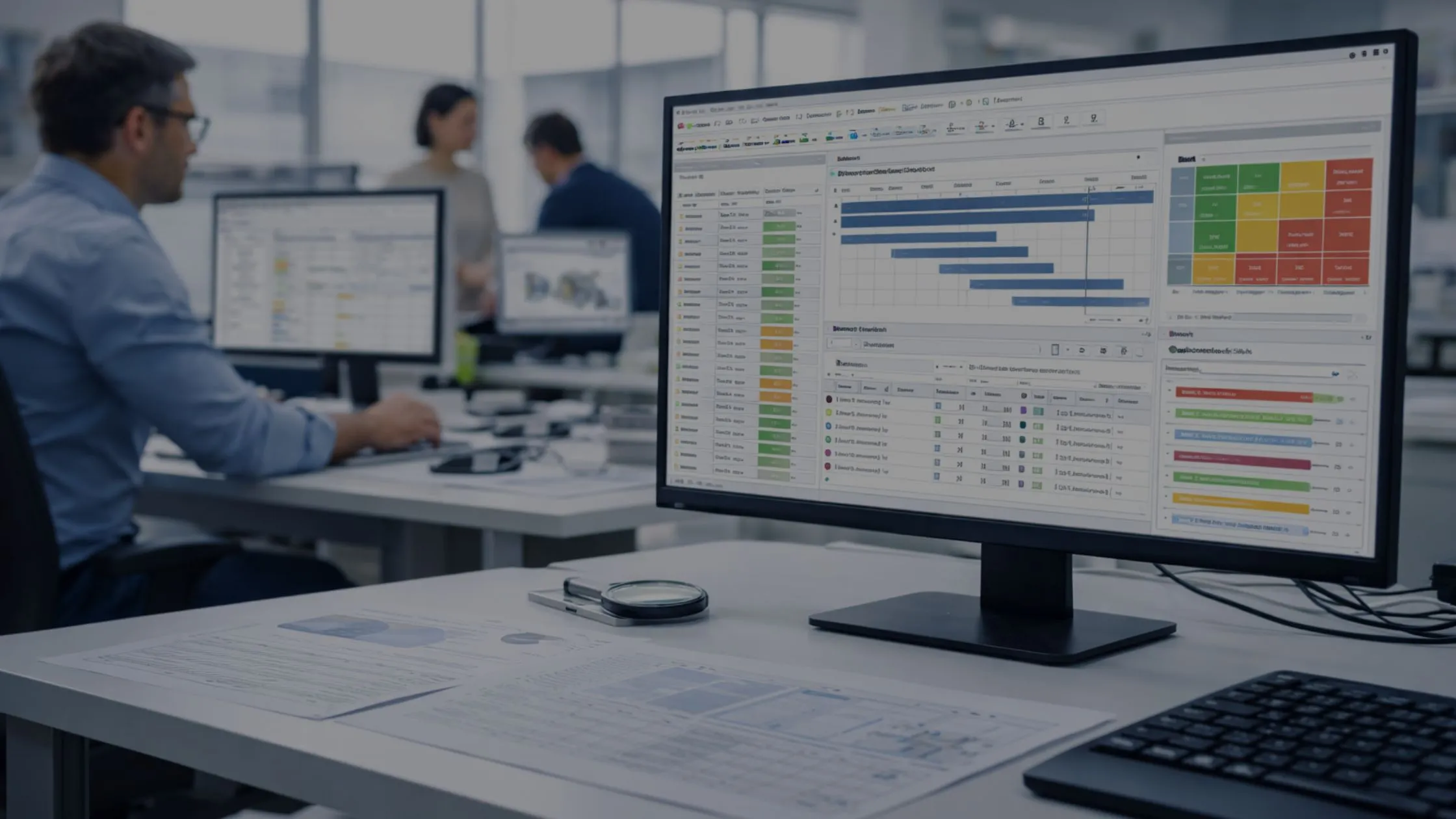
Human-Machine Interfaces (HMIs): These are software applications that allow operators to monitor and control the substation. HMIs provide a graphical representation of the substation and its equipment, making it easier for operators to identify problems and take appropriate action.
Communication Networks: These are the communication links that connect the various components of the SAS. Communication networks can be wired or wireless and can use a variety of protocols, such as Modbus, DNP3, and IEC 61850.
Data Historians: These are databases that store historical data from SAS. Data historians can be used to analyze trends and identify patterns that can help operators to optimize performance and prevent failures.
Benefits of Substation Automation:
Substation automation provides numerous benefits to utilities and their customers. Some of the most important benefits include:
Improved Reliability: Substation automation systems can help utilities to quickly identify and isolate faults, reducing the impact of outages on customers.
Increased Efficiency: Substation automation can help utilities to optimize the operation of their equipment, reducing maintenance costs and improving the lifespan of assets.
Enhanced Safety: Substation automation can help to reduce the risk of accidents and injuries by providing real-time information about the status of equipment and the substation environment.
Better Data Management: Substation automation systems can provide utilities with valuable data on the operation of their equipment, which can be used to optimize performance, reduce costs, and improve reliability.
Challenges of Substation Automation
Despite its many benefits, substation automation also presents some challenges. Some of the most significant challenges include:
Cybersecurity: Substation automation systems are vulnerable to cyberattacks, which can disrupt operations and compromise sensitive data.
Compatibility: Substation automation systems can be complex and require a high degree of compatibility between various components. Ensuring that all components work together effectively can be a challenge.
Maintenance: Substation automation systems require regular maintenance to ensure that they operate effectively. Maintenance can be expensive and time-consuming, particularly if equipment needs to be replaced.
Conclusion:
Substation automation is an important tool for utilities seeking to improve the performance, reliability, and efficiency of their equipment. By using advanced technology to monitor and control various aspects of a substation, utilities can optimize their operations, reduce costs, and improve the customer experience. However, substation automation also presents some challenges, particularly in the areas of cybersecurity, compatibility, and maintenance. By addressing these challenges effectively, utilities can ensure that their substation automation systems operate effectively and deliver maximum value.























Sign in to leave a comment.