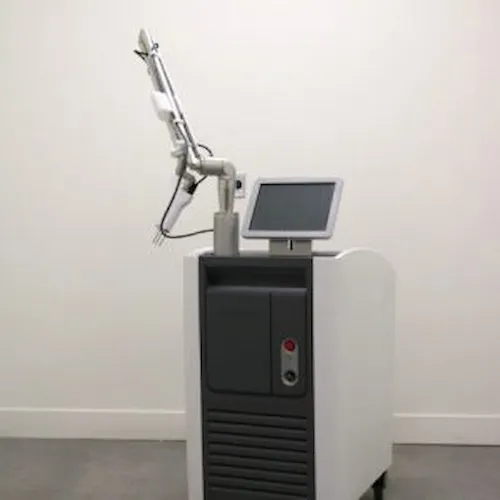

Medical and aesthetic practices often evaluate equipment investments carefully before adding new treatment technology. Laser systems can represent a substantial expense, especially for smaller clinics or practices expanding their services. Previously owned equipment provides another purchasing option for professionals seeking practical ways to manage budgets. Many buyers have questions about equipment condition, performance, maintenance, safety, and overall value before making a decision. Understanding a pre-owned laser faq can help practices approach these purchases with greater confidence. Clear answers allow decision makers to compare options more effectively. They also support informed planning for long term equipment ownership.
What Is Pre Owned Laser Equipment?
Pre owned laser equipment refers to systems that have been previously used by another medical or aesthetic practice. These systems may become available when clinics upgrade technology, change treatment offerings, or restructure their operations. Their previous ownership does not automatically indicate poor performance or limited usefulness. Equipment condition can vary depending on usage, maintenance, and service history. Buyers should evaluate these factors carefully before making a purchase. A properly maintained system may continue providing dependable performance. Understanding the equipment's history helps practices make more informed purchasing decisions.
How Does Pre Owned Equipment Differ From New Equipment?
New laser equipment generally comes directly from a manufacturer or authorized distribution channel without previous clinical use. Pre owned systems have already been operated in another practice before being offered for resale. The primary difference often involves age, usage history, and purchase price. Previously owned systems may cost considerably less than comparable new equipment. However, buyers should carefully review condition and maintenance information. Comparing both options helps practices determine which approach aligns with their budget. The decision should consider overall value rather than purchase price alone.
Is Pre Owned Laser Equipment Safe?
Safety depends heavily on equipment condition, maintenance, calibration, and proper operation. A previously owned system can be suitable for clinical use when it has been thoroughly evaluated and maintained appropriately. Buyers should request available service records and technical information before purchasing. Equipment should also be inspected to identify potential functional concerns. Proper installation and staff training remain important after acquisition. Clinics should follow applicable safety procedures and professional requirements. A careful evaluation process helps reduce unnecessary risks and supports responsible equipment use.
What Should Buyers Check Before Purchasing?
Buyers should review several factors before committing to a previously owned laser system. Equipment history is an important starting point because it can reveal previous maintenance and usage patterns. Technical specifications should be compared with the clinic's intended treatment applications. Buyers should also examine physical condition and operational performance. Available documentation can provide additional information about previous servicing. Support and maintenance options should also be considered. A comprehensive review helps practices avoid unexpected problems after purchase.
Can Pre Owned Lasers Deliver Reliable Performance?
Previously owned laser systems can deliver reliable performance when they have been properly maintained and remain within their expected operational lifespan. Equipment condition is influenced by usage frequency, maintenance practices, and previous service work. Buyers should avoid assuming that every used system offers identical performance. Instead, each unit should be evaluated individually before acquisition. Functional testing can provide useful information about current operating condition. Proper servicing can further support dependable operation. Careful selection is therefore essential when evaluating previously owned technology.
Why Is Maintenance History Important?
Maintenance history provides valuable insight into how a laser system has been cared for throughout its previous ownership. Regular servicing may indicate that the equipment received appropriate attention during its operational life. Records can also reveal repairs, component replacements, and previous technical issues. Buyers can use this information to assess potential future maintenance requirements. Missing documentation may make it more difficult to evaluate long term reliability. Reviewing available records supports more transparent purchasing decisions. It also helps practices plan for future service needs.
How Much Can Practices Save?
Potential savings depend on the equipment model, age, condition, specifications, and market availability. Previously owned systems are generally available at lower acquisition costs than comparable new equipment. These reduced costs can help practices preserve capital for other important operational needs. Savings may support investments in staff training, facility improvements, marketing, or patient services. However, the lowest purchase price does not always represent the best overall value. Buyers should consider expected maintenance and ownership costs. A complete financial assessment provides a more realistic understanding of potential savings.
Does Lower Cost Affect Treatment Quality?
Lower acquisition cost does not automatically mean lower treatment quality. Treatment performance depends on equipment condition, appropriate operation, maintenance, and clinical expertise. A well maintained system may continue supporting established treatment applications effectively. Practices should focus on functional capabilities rather than simply comparing purchase prices. Professional evaluation can help determine whether a particular unit meets operational expectations. Proper training also plays an important role in treatment consistency. Responsible purchasing combines affordability with quality considerations.
What Types of Practices Can Consider Pre Owned Lasers?
Previously owned laser systems can be considered by various medical and aesthetic practices. Established clinics may use them to expand existing treatment capabilities without purchasing entirely new equipment. Smaller practices may benefit from lower initial investment requirements. New facilities can also evaluate previously owned systems when building their service portfolios. The suitability of a system depends on treatment requirements and operational goals. Each practice should assess its patient demand before selecting equipment. Matching technology with actual needs helps maximize long term value.
Can New Practices Benefit From These Systems?
New practices often operate under strict budget limitations during their early stages. Previously owned equipment can provide access to established technology while reducing initial capital requirements. This approach may allow a new clinic to introduce additional services sooner. Lower equipment expenses can also preserve funds for staffing, marketing, and facility development. However, new practices should still prioritize equipment condition and support availability. Careful planning can help prevent unnecessary financial pressure. Strategic equipment selection can contribute to a stronger foundation for growth.
What About Training and Staff Experience?
Proper training is essential regardless of whether equipment is new or previously owned. Staff members should understand the system's operating procedures, treatment applications, safety requirements, and maintenance considerations. Familiarity with equipment controls helps reduce operational mistakes and supports consistent workflows. Training should also address patient assessment and appropriate treatment planning. Experienced professionals may still require orientation when working with unfamiliar equipment. A structured training approach improves confidence and supports responsible laser use. Ongoing education can further strengthen staff knowledge.
Why Is Professional Training Important?
Laser technology requires specialized knowledge because treatment settings and procedures can vary significantly. Professionals must understand how equipment interacts with different patient characteristics and treatment objectives. Training helps operators recognize appropriate procedures and potential safety concerns. It also supports better communication with patients regarding expectations and aftercare. Continued education can help staff remain familiar with changing practices and technologies. Proper preparation benefits both patients and healthcare providers. Professional competence remains an important part of successful laser operations.
How Should Practices Plan for Maintenance?
Maintenance should be considered before purchasing any previously owned laser system. Buyers should understand recommended service schedules and potential component replacement requirements. Access to qualified technical support can help reduce operational disruptions. Practices should also budget for routine servicing and unexpected repairs. Preventive maintenance can extend equipment life and support consistent performance. Proper records should be maintained throughout the ownership period. A proactive approach makes equipment management more predictable and financially manageable.
What Should Be Included in a Maintenance Plan?
A maintenance plan may include routine inspections, cleaning, calibration, performance testing, and necessary repairs. Specific requirements depend on the equipment type and its intended applications. Practices should follow appropriate manufacturer recommendations and applicable professional standards. Documentation can help track completed services and identify recurring issues. Planning these activities in advance may reduce unexpected downtime. Maintenance responsibilities should also be understood by relevant staff members. Organized service planning supports reliable day to day operations.
Conclusion
Pre owned laser equipment can offer medical and aesthetic practices a practical way to expand treatment capabilities while managing equipment expenses. Buyers should evaluate condition, service history, performance, maintenance requirements, training needs, and long term ownership costs before making a decision. Careful research helps distinguish genuine value from equipment that may create unnecessary challenges. Practices that approach purchasing strategically can gain access to useful technology while preserving financial flexibility. The right equipment can support service expansion and operational efficiency. MEDPRO, INC. can be considered as part of a practice's broader equipment planning process. Informed decisions ultimately help practices pursue dependable technology investments and sustainable growth.
























Sign in to leave a comment.