

1. Introduction: Setting the Stage for Predictive Analytics in Manufacturing 2025
Are predictive analytics tools truly transforming manufacturing operations, or just another buzzword in Industry 4.0? This question is on the minds of many manufacturing leaders as they prepare for the challenges and opportunities of 2025. With Industry 4.0 driving a digital transformation wave across manufacturing, predictive analytics is increasingly viewed as a critical enabler. But is it delivering on its promise?
Predictive analytics in manufacturing 2025 is no longer a futuristic concept — it’s rapidly becoming a business imperative. Manufacturers seek to leverage data-driven insights to optimize operations, reduce costs, and improve product quality. As manufacturing digital transformation accelerates, understanding the true value and limitations of predictive analytics is essential for any industry professional aiming to stay competitive.
2. What Manufacturing Pros Need to Know About Predictive Analytics
At its core, predictive analytics involves using historical and real-time data, combined with machine learning algorithms and AI, to forecast future events and trends. In manufacturing contexts, these technologies translate into smart manufacturing solutions that anticipate equipment failures, quality issues, or supply chain disruptions before they occur.
Predictive analytics is more than just data analysis—it is about proactively acting on insights to prevent costly downtime, enhance quality control, and optimize complex supply chains. By integrating AI-powered analytics into manufacturing workflows, businesses can reduce reactive maintenance, improve yield rates, and cut operational expenses, all of which contribute to stronger margins and increased agility.
3. The Debate: Overhyped Promise or Proven Performance?
Optimistic Viewpoints
Manufacturing leaders who have successfully adopted predictive analytics highlight impressive ROI and operational improvements. For example, some enterprises report up to a 40% reduction in unplanned downtime through predictive maintenance. Predictive models have also improved production scheduling efficiency and minimized quality defects, translating directly into increased throughput and customer satisfaction.
Many success stories illustrate how predictive analytics delivers clear financial value by preventing breakdowns and optimizing asset utilization. Early adopters emphasize that when implemented correctly, predictive analytics is a game-changer for manufacturing productivity.
Skeptical Perspectives
Despite the promise, many professionals remain cautious. Key concerns include data quality issues—where fragmented, incomplete, or inconsistent data leads to unreliable predictions. The complexity of integrating predictive analytics into legacy manufacturing systems also poses significant hurdles, often resulting in costly, delayed projects.
Moreover, the high upfront investment in technology and the shortage of skilled talent to develop and manage predictive models represent formidable adoption barriers. As a result, some manufacturing firms are still skeptical whether predictive analytics lives up to its hype or is just another Industry 4.0 buzzword.
Research Stats
Recent surveys reveal a mixed picture: While over 60% of manufacturers express interest in adopting predictive analytics, only about 30% have fully operational projects showing consistent ROI. Many initiatives struggle to scale beyond pilot phases due to the challenges noted above, underscoring the importance of strategic planning and execution.
4. Common Challenges Facing Manufacturing Professionals in Predictive Analytics Adoption
Data Silos & Integration Issues
One of the biggest roadblocks is the prevalence of data silos. Many manufacturing operations still rely on fragmented legacy systems that do not communicate effectively, making it difficult to compile comprehensive datasets needed for accurate predictions.
Lack of Skilled Workforce
The shortage of data scientists and analytics experts with manufacturing domain knowledge is another key barrier. This data science skills gap hampers efforts to develop and maintain effective predictive models, leaving many companies dependent on external consultants or struggling with in-house capability.
Change Management Resistance
Operational teams often resist trusting automated predictions, fearing job displacement or mistrusting “black box” AI outputs. Without buy-in from frontline workers, predictive analytics adoption can stall, emphasizing the need for effective change management and education.
5. Benefits That Manufacturing Pros Can’t Ignore in 2025
Reduced Equipment Downtime
Predictive maintenance benefits are among the most tangible outcomes, with analytics cutting unexpected equipment failures by up to 40%. This translates into fewer production stoppages, lower repair costs, and extended asset lifecycles.
Improved Product Quality & Yield
Analytics-driven quality control enables early detection of defects in manufacturing processes. Catching issues before products leave the line helps reduce costly recalls, scrap, and rework, leading to improved yields and customer satisfaction.
Optimized Inventory & Supply Chain
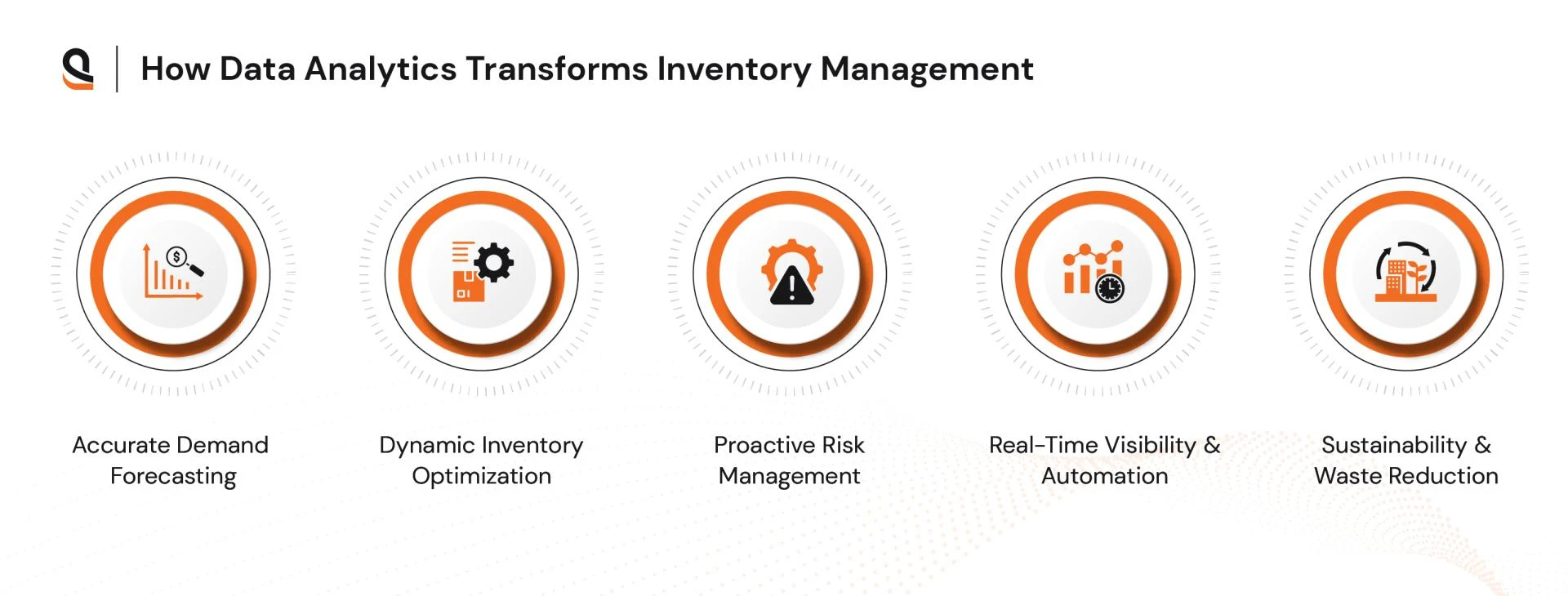
Predictive analytics supports smarter demand forecasting and supply chain optimization, reducing excess inventory and mitigating stockouts. Manufacturers gain better visibility and agility, responding swiftly to market changes while lowering carrying costs.
6. How Manufacturing Pros Can Win the Predictive Analytics Game
Start with High-Impact Use Cases
Identify critical pain points such as bottlenecks or frequent downtime events to prioritize where predictive analytics can deliver the fastest, most measurable ROI.
Invest in Data Infrastructure & Analytics Platforms
Modernize data infrastructure by adopting cloud-based IoT integration and scalable analytics tools that can handle diverse manufacturing data streams in real time.
Build Cross-Functional Teams
Combine the expertise of IT, data science, and operations teams to ensure predictive analytics projects align with business goals and have operational buy-in.
Pilot and Scale Gradually
Run focused pilot projects with clear KPIs to validate predictive models before expanding deployment. This approach minimizes risk and fosters continuous learning.
7. Future Trends & Predictions for Manufacturing Predictive Analytics in 2025
AI and Machine Learning Advances
As AI in manufacturing 2025 continues to evolve, predictive models will become more accurate and self-learning, adapting dynamically to changing production conditions.
Edge Computing for Real-Time Insights
The rise of edge computing manufacturing allows critical data processing near the shop floor, enabling real-time analytics and faster decision-making without latency.
Explainable AI (XAI)
Demand is growing for explainable AI in manufacturing to increase transparency, build trust in analytics outcomes, and facilitate regulatory compliance.
Integration with Digital Twins
Combining predictive analytics with digital twin predictive analytics creates virtual replicas of physical assets, enabling advanced simulations for optimizing production and maintenance.
8. Conclusion: Making Sense of the 2025 Predictive Analytics Debate for Manufacturing Pros
Predictive analytics offers massive potential for manufacturers willing to invest strategically in data infrastructure, talent, and cross-functional collaboration. While challenges like data quality, integration, and workforce skills remain, the benefits—reduced downtime, improved quality, and optimized supply chains—are too significant to ignore.
For manufacturing professionals ready to innovate and compete in 2025, embracing predictive analytics is not just an option; it’s a necessity. Ignoring this trend could mean falling behind in an increasingly digital and data-driven industrial landscape.
To dive deeper and equip yourself with actionable strategies, read our full blog




























Sign in to leave a comment.