
Materials and Processes for Medical Implant Packaging
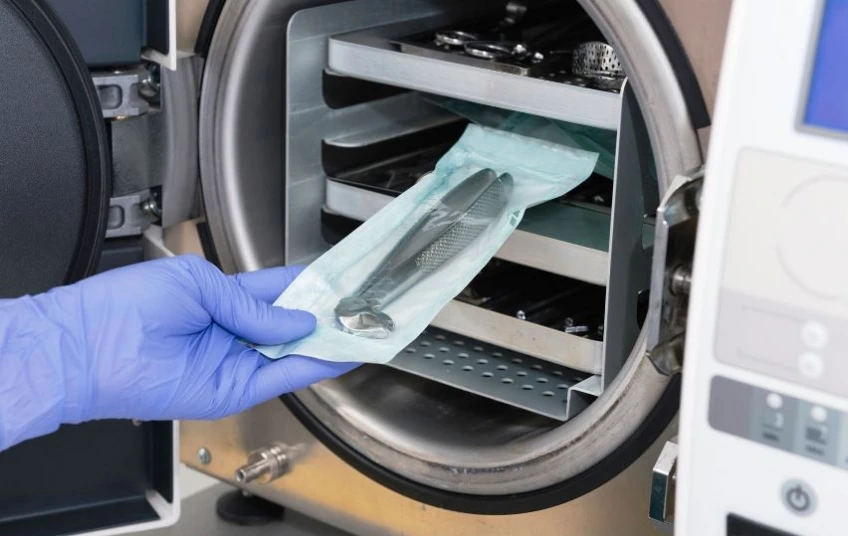
The materials used for medical implant sterile packaging must meet strict biocompatibility and sterilization requirements. The primary materials used are polymeric films, paper, nonwoven composites and tyvek. Polymeric films such as PVC, PET and polyolefin films offer high strength, sealability and barrier properties. However, polymeric films may leach extractables which is a concern for medical applications. Tyvek is a spunbonded polyethylene fabric that is strong, tear resistant and breathable. It is commonly used as a sterile barrier in packaging. Paper provides printability and is more economical but needs to be properly coated or laminated to prevent wetting issues during sterilization. Nonwoven composites offer textile-like handle and moisture resistance. The materials undergo extensive testing to ensure they do not interact or leach harmful substances to packaged medical implants.
The various processes used in manufacturing medical implant sterile packaging include forming, sealing, sterilization and validation. Thermal and ultrasonic sealing technologies are commonly used to seal the packaging laminates. Etching and inkjet printing provide product information directly onto the packaging materials. Sterilization is a crucial step to kill all microorganisms and spores. Common sterilization methods are gamma irradiation, E-beam and steam sterilization. Automated packaging lines with aseptic isolation zones and strict control over materials and processes ensure product and personnel protection during packaging operations. Final product testing and validation ensure the packaged products maintain predefined shelf life and performance standards under normal distribution and storage conditions.
Design of Medical Implant Packages
The design of medical implant packages focuses on protecting the sterility and functional integrity of the packaged product from point of sterilization to surgery. Different packaging configurations are used based on the nature of implant - for eg. folded peel pouches for sheets/meshes and rigid trays or thermoformed clamshells for orthopedic implants. Peel pouches made of laminated nonwoven-film provide easy access while maintaining sterility. Rigid trays have wells or cavities to hold prosthetics securely in place. Lid stock made of paper or plastic seals the tray. Blister packs using PVC or Tyvek backing incorporated with lidding film are used for small medical devices and implants.
Tamper evident seals and security seals ensure package integrity from manufacture to use. Perforation or score lines in lidding film allow for easy but controlled peeling open. Complex contours and narrow flanges in thermoformed packaging facilitate proper placement of irregularly shaped implants. Special features like tethers prevent loss of small components during opening. Process challenge devices inside final packages validate the sterilization process. Printed indicators reveal if package was subject to deleterious conditions during shelf life or transportation. Detailed protocols are established for package design testing, design validation and review.
Sterilization and Shelf Life
Gamma irradiation from radioactive cobalt-60 isotope is the most widely used method for sterilizing loaded medical implant sterile packaging as it penetrates deep and guarantees sterilization. E-beam irradiation uses high energy electron beam for better penetration compared to gamma but requires special shielding. Steam sterilization at elevated temperature and pressure destroys bacteria and spores on package surfaces. The packaging materials and seal integrity are tested to withstand defined sterilization protocols without deterioration.
Sterilized packages are assigned expiration dating based on extensive real time and accelerated aging studies under controlled warehouse conditions. This established shelf life could be 2-3 years under recommended storage of 15-30°C and <60% relative humidity as per AAMI/ISO 11607 standards. Periodic shelf life extension programs involve further testing packages pulled from distribution to validate if shelf life can be safely extended based on package condition. Proper distribution and warehousing under standardized conditions are key to maintain product safety and efficacy till expiry date.
Quality and Regulatory Compliance
Medical implant sterile packaging operations are conducted under strictly controlled environments with ISO classified clean rooms. Robust quality systems adhering to ISO 13485 and applicable medical device directives ensure consistent production. Automated packaging lines with in-built monitoring and sensors help achieve reproducible results. Periodic preventive maintenance and calibration exercises maintain equipment quality.
Comprehensive design controls and review processes validate package functionality as per design inputs. Sterilization validation involves biological indicators to prove sterilizing dose and cycle. Shelf life studies statistically establish expiration periods. Package testing includes barrier properties, strength, extractable and particulate contamination testing. Sterilization and packaging processes are periodically re-qualified. Distribution simulation involves package testing after transit shock and vibration. Strict document controls ensure batch traceability. Regular audits and regulatory inspections help maintain high quality and compliance standards. This focus on quality ultimately ensures patient safety with effective and reliable medical implant sterile packaging.
Conclusion
With increasing sophistication of medical implant technology, sterile packaging plays a more crucial role in maintaining the efficacy and shelf life of these lifesaving products. Package designs must address complex implant geometries while guaranteeing sterility. Choosing right materials becomes even more important with new generation of biocompat




























Sign in to leave a comment.