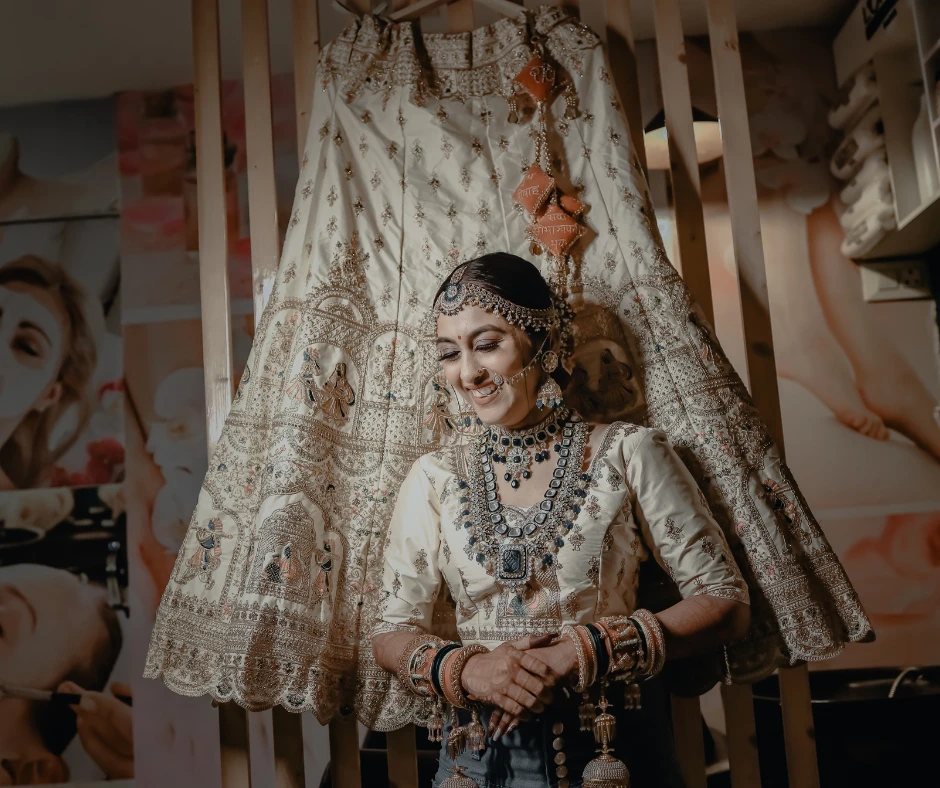

Your wedding ensemble—be it a resplendent lehenga, an exquisite saree, or a regal sherwani—is far more than just clothing. It's a cherished symbol of your sacred union, particularly when it has been blessed by the eternal flames of the Triyuginarayan Temple. These garments carry the essence of your vows, the joy of your celebration, and the blessings of the divine. Ensuring their proper post-wedding care is not just about maintenance; it's about preserving a tangible memory of your most special day.
Given the travel involved in a Triyuginarayan Shaadi, and the unique mountain environment, your wedding wardrobe requires specific attention. Here's a practical guide to ensure your sacred attire remains pristine for years to come.
1. Immediate Post-Wedding Care: Before You Head Home
After the beautiful ceremonies, your immediate actions can significantly impact the longevity of your attire.
- Gentle Shake-Off: As soon as feasible, gently shake off any loose dust, flower petals, or light debris. Avoid harsh brushing, especially on delicate embellishments.
- Address Minor Spills/Sweat (Cautiously): If there are any minor, fresh spills or sweat marks, gently blot them with a clean, dry, soft cloth. Avoid rubbing, as this can set the stain. For sweat, gently air out the garment immediately to prevent odor and discoloration. For heavily embellished or silk fabrics, it's safer to leave this to a professional.
- Proper Folding for Travel: Before packing for your journey back, ensure the garment is folded neatly but loosely. Avoid tightly cramming it into a suitcase. Place acid-free tissue paper between folds, especially around intricate embroidery or delicate fabrics, to prevent snagging or creasing. If possible, carry it as a cabin bag or in a dedicated garment bag.
- Keep Away from Sunlight: After the events, store the attire away from direct sunlight, even temporarily, to prevent fading of colors or weakening of delicate threads.
2. Professional Cleaning is Paramount
This is the most crucial step for heavily embellished Indian wedding attire. Do NOT attempt to wash these garments at home in a washing machine, or use harsh chemicals.
- Identify Fabric & Embellishments: Understand the material (silk, velvet, brocade, georgette, net) and the type of work (zari, beadwork, sequin, embroidery, stone work). This information is vital for the cleaner.
- Find a Reputable Dry Cleaner: Seek out a professional dry cleaner who specializes in Indian ethnic wear or couture garments. They will have the expertise and specialized solvents to clean delicate fabrics and intricate embellishments without damage.
- Communicate Everything: Inform your cleaner about any stains (even if unseen), the fabric type, and the nature of the embellishments. Specify that it's a cherished wedding outfit.
- Havan Scent: Attire worn near the sacred Akhand Dhuni may absorb the scent of the havan. A professional dry clean will effectively remove this, as well as any other temple-related dust or natural elements.
3. Long-Term Storage: A Sanctuary for Your Memories
Once professionally cleaned, proper storage ensures your attire remains beautiful for decades.
- Thorough Airing: After dry cleaning, ensure the garment is thoroughly aired out in a clean, well-ventilated space (away from direct sunlight) for at least 24-48 hours before packing. This dissipates any cleaning solvent odors.
- Avoid Plastic Bags: Never store delicate fabrics in regular plastic dry-cleaning bags for long periods. Plastic traps moisture, leading to mildew, yellowing, and degradation of fabrics. Instead, use breathable fabric garment bags made of cotton or muslin.
- Acid-Free Tissue Paper: Use unbuffered, acid-free tissue paper (available at archival supply stores) to pad folds, protect embellishments, and prevent fabric-to-fabric friction. Place it inside sleeves, necklines, and between layers of embroidery.
- Store Flat or on Padded Hangers: For heavy lehengas or sarees with intricate work, storing them flat in acid-free boxes is often best to prevent stretching or distortion caused by hanging. If hanging, use broad, padded hangers that distribute weight evenly, avoiding wire hangers.
- Cool, Dry, Dark Place: Store your attire in a cool, dry, and dark environment, like a closet or trunk, away from direct sunlight, extreme temperatures, and humidity. Attics and basements are generally unsuitable.
- Pest Repellents (Indirectly): Use natural repellents like cedar balls or lavender sachets, but never place them directly on the fabric as oils can stain. Place them near, but not touching, the garment bag. Avoid mothballs, as their chemicals can damage fabric over time.
- Regular Inspection & Refolding: Every 6-12 months, take out your attire, air it gently, inspect for any issues, and refold it along new creases to prevent permanent fold lines and stress points on the fabric.
Your Triyuginarayan wedding attire is a tangible piece of your sacred love story. With these mindful post-wedding care practices, you can ensure it remains a pristine and cherished memory, ready to be admired for generations to come. Triyuginarayan Shaadi understands the profound significance of these garments and encourages their preservation as a lasting symbol of your blessed union.



























Sign in to leave a comment.