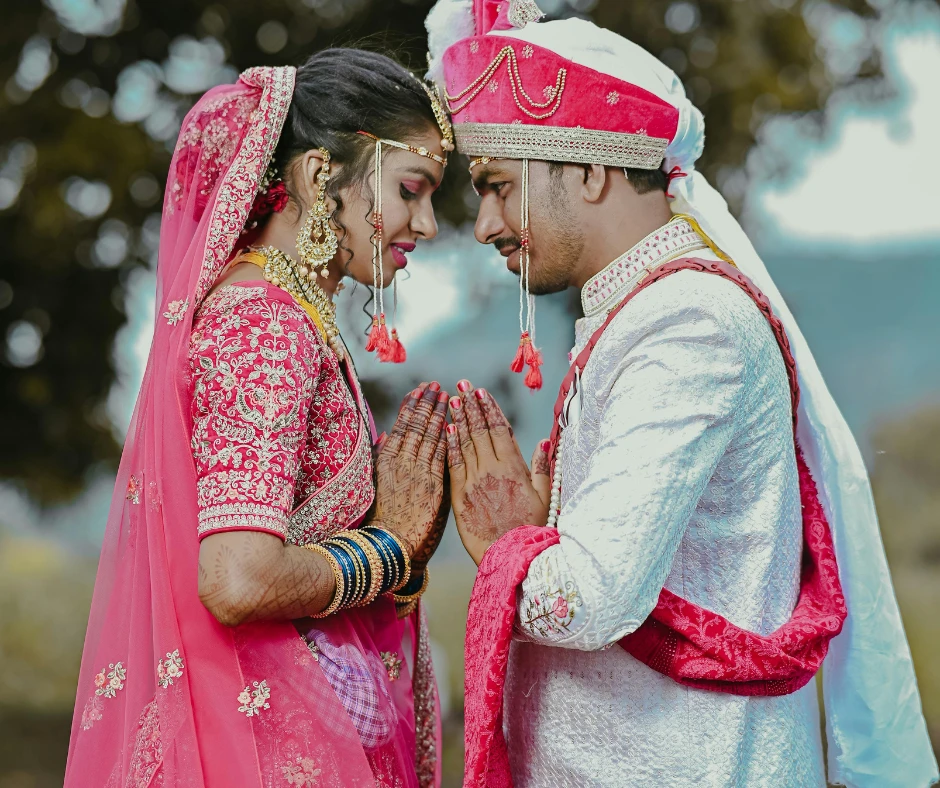

The allure of a Triyuginarayan Temple wedding is undeniable, drawing couples to its sacred peaks for a truly divine union. As you embark on planning such a momentous event, understanding the Triyuginarayan wedding cost becomes paramount. One of the most significant, yet often overlooked, factors influencing your budget is the time of year you choose to tie the knot. Is marrying in the off-season genuinely cheaper, or do the potential savings come with hidden trade-offs? This guide delves into the seasonal fluctuations of wedding expenses at this revered Himalayan destination, helping you strategically plan your date to align with both your budget and your desired experience.
Understanding Peak Seasons: When Demand Drives Up the Cost
The popularity of Triyuginarayan as a wedding destination has defined clear peak seasons when demand for services is at its highest, consequently impacting the overall Triyuginarayan wedding cost.
- Spring/Early Summer (April to June): This period is highly sought after. The weather is generally pleasant, with clear skies, comfortable temperatures (ranging from 10°C to 25°C), and blooming natural beauty. Roads are fully accessible, making travel smooth for guests. The vibrant environment is ideal for capturing stunning wedding photographs against a backdrop of lush greenery.
- Autumn (September to November): Following the monsoon, this season offers crisp, clean air, clear blue skies, and comfortable temperatures (around 8°C to 20°C). The post-monsoon greenery is vibrant, and the air is free from humidity, providing excellent visibility of the majestic Himalayan ranges. This period is also popular for various pilgrimages, further increasing demand for accommodation and services.
Why Costs Rise During Peak Season:
During these periods, all wedding-related services from accommodation and transportation to decorators and photographers are in high demand. This leads to:
- Higher Accommodation Rates: Hotels and guesthouses in nearby areas (like Guptkashi and Sonprayag) often implement surge pricing.
- Limited Availability: Key vendors and preferred accommodation might be fully booked months in advance, reducing your options and flexibility.
- Increased Travel Costs: Flights, trains, and taxis to the region might be more expensive due to general tourist and pilgrim traffic.
- While the peak seasons offer ideal weather and seamless logistics, they undeniably come with a higher Triyuginarayan wedding cost.
Exploring Off-Seasons: Potential Savings vs. Practical Challenges
Venturing into the off-season can offer significant savings, but it's crucial to understand the unique challenges associated with each period.
- Monsoon (July to August): This is generally considered the most challenging time for a Triyuginarayan Temple wedding.
- Cost Implications: Prices for packages, accommodation, and local services are typically at their lowest due to very minimal demand.
- Practical Challenges: Heavy rainfall frequently leads to landslides, road blockages, and unsafe travel conditions. The weather can be unpredictable, making outdoor ceremonies difficult and potentially disrupting travel plans for guests. The views might be obscured by clouds and fog.
- Experience Focus: Suitable only for highly adventurous couples prioritizing extreme budget savings and comfortable with significant travel risks and potential disruptions.
- Winter (December to March): This season transforms the region into a snowy wonderland, offering a uniquely mystical ambiance.
- Cost Implications: Prices are generally lower than peak season, especially in January and February, making it a viable option for a budget-conscious Triyuginarayan wedding cost.
- Practical Challenges: Temperatures drop significantly (often below freezing, with snowfall). Roads can become impassable, particularly to Triyuginarayan village itself, requiring alternative arrangements (like staying further down in the valley and potentially a longer trek or using ponies/palanquins even for shorter distances). Heating arrangements for guests are crucial, and service availability might be limited.
- Experience Focus: Ideal for couples dreaming of a serene, intimate ceremony amidst snow-dusted peaks, who are prepared for cold weather and potential logistical hurdles. It offers a truly unique, picturesque, and less crowded experience.
Strategic Planning: Maximizing Value for Your Triyuginarayan Wedding Cost
Choosing the right season requires a balance of budget, desired ambiance, and guest comfort.
- Evaluate Your Priorities: If a seamless experience with perfect weather and stunning views is paramount, a peak-season wedding might be worth the higher Triyuginarayan wedding cost. If significant savings are the goal, and you're adaptable to challenges, consider the edges of the off-season or even a winter wedding.
- Flexible Dates: If your dates are flexible, aim for the shoulder seasons (e.g., late March/early April or late November/early December). These periods often offer milder weather than deep winter/monsoon, with potentially lower costs and fewer crowds than peak months.
- Guest Comfort: Consider your guests. Elderly relatives or those unaccustomed to mountain travel might struggle during extreme weather conditions of the off-season.
- Early Booking (Always!): Regardless of the season, booking your Triyuginarayan Temple wedding services and accommodation well in advance is crucial. This not only secures your preferred dates and vendors but can also lock in rates before potential increases.
- Leverage Wedding Planners: Specialized wedding planners for Triyuginarayan have deep knowledge of seasonal fluctuations, local conditions, and vendor availability. They can help you navigate the complexities, secure the best possible rates, and build contingency plans for off-season weddings, ensuring transparency in your Triyuginarayan wedding cost.
Conclusion: Your Perfect Date, Your Perfect Price
The Triyuginarayan wedding cost is a dynamic figure, heavily influenced by your chosen season. While peak seasons offer ideal conditions for a smooth and picturesque celebration, they come with a higher price tag. Off-seasons present opportunities for significant savings but demand careful planning and a willingness to embrace unique challenges. By understanding these seasonal nuances and strategically choosing your date, you can strike the perfect balance between your budget and your dream, creating an unforgettable and divinely blessed union at this sacred Himalayan abode.



























Sign in to leave a comment.