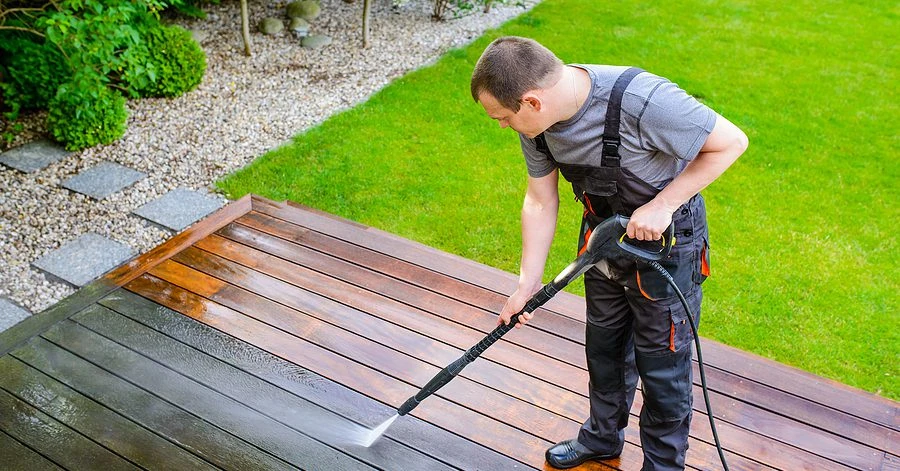

Pressure washing is one of the most effective and efficient ways to clean a variety of outdoor surfaces, from driveways and decks to fences and siding. Whether you’re preparing your home for sale or simply maintaining its curb appeal, a good pressure washing can make a world of difference. However, using a pressure washer can be tricky if you're unfamiliar with the process. To ensure you achieve the best results and avoid potential damage, here are some essential pressure washing tips to guide you through the process. Visit: estis.net
1. Choose the Right Pressure Washer
Before you start cleaning, it’s essential to choose the right type of pressure washer for the job. Pressure washers come in two main types:
- Electric pressure washers: Best for lighter tasks such as cleaning small patios, cars, or windows. They’re quieter and require less maintenance but generally have lower pressure (measured in PSI – pounds per square inch).
- Gas-powered pressure washers: These offer higher pressure and are ideal for larger tasks like cleaning driveways, siding, or decks. They are more powerful but also heavier and louder, requiring more maintenance.
Make sure the PSI rating matches the task at hand. For instance, 1300-1600 PSI is ideal for cleaning cars, while 2500-3000 PSI is best for tougher tasks like concrete or brick surfaces.
2. Know the Right Nozzle for the Job
Pressure washers come with a variety of nozzles, each designed for specific cleaning tasks. The nozzle controls the spread of the water and the pressure. Here are some common types:
- 0-degree nozzle (Red): Provides a concentrated, high-pressure stream. Use it for tough, stubborn stains but be cautious, as it can damage surfaces if used too close.
- 15-degree nozzle (Yellow): Good for general cleaning, like siding or concrete. It has a wider spray, reducing the risk of damage.
- 25-degree nozzle (Green): Best for delicate surfaces like wood decks or fences. This nozzle provides a wider spray and lower pressure, making it ideal for softer materials.
- 40-degree nozzle (White): Ideal for light cleaning tasks such as washing windows or washing a car.
Selecting the right nozzle will ensure that you clean the surface effectively without causing damage.
3. Test the Pressure on a Small Area First
Before you start on the main area, always test the pressure washer on a small, inconspicuous area to make sure the pressure is appropriate for the surface. This is especially important when cleaning delicate surfaces like wood or painted walls, where high pressure could cause peeling or splintering.
4. Use Detergent for Tough Stains
For stubborn dirt, mold, or stains, use a detergent or cleaner specifically designed for pressure washing. These are often applied using a separate detergent injector on the pressure washer. Apply the detergent, allow it to sit for a few minutes (but not dry), and then rinse it off with water. Always ensure the detergent is safe for the surface you're cleaning to avoid damaging it.
5. Maintain a Consistent Distance
When pressure washing, keep a consistent distance from the surface. Generally, 6–12 inches away is a good distance, but it depends on the type of surface. For example, when cleaning concrete or stone, you can get closer, but when washing wood or delicate siding, stay farther away to prevent damage.
Use a steady, sweeping motion and never focus the water on one spot for too long, as this can cause surface damage.
6. Use Proper Technique for Different Surfaces
Each surface you clean requires different techniques:
- Concrete/Brick: Start from the top and work your way down, using a 25- or 40-degree nozzle. Apply detergent to break down grime, then rinse thoroughly with high-pressure water.
- Wood Decks/Fences: Use a 40-degree nozzle for softer pressure, and work in the direction of the wood grain to avoid damaging it. Always use a low-pressure setting to prevent gouging the wood.
- Siding: For vinyl or aluminum siding, start at the top and spray downward. Avoid spraying under the siding to prevent water from seeping in. Use a 25-degree nozzle for effective results without damaging the surface.
- Cars: When cleaning cars, use a 40-degree nozzle and avoid getting too close to the paint. Start from the top of the car and work your way down.
7. Stay Safe and Take Precautions
Pressure washing can be dangerous if proper safety measures aren’t followed. Here are some tips to stay safe:
- Wear protective gear: Always wear safety goggles, gloves, and sturdy footwear to protect against flying debris and potential injuries from the high-pressure water.
- Be cautious with electrical outlets: If pressure washing near electrical outlets or wiring, make sure the area is dry, and avoid spraying directly on outlets to prevent electric shock.
- Never point the nozzle at people or animals: The force of the water can cause serious injuries, so always aim the nozzle at surfaces you intend to clean.
8. Regular Maintenance of Your Pressure Washer
To keep your pressure washer in top condition, perform regular maintenance. Clean the nozzle after each use to prevent clogs, and check the hoses for any signs of wear or leaks. If you use a gas-powered pressure washer, change the oil and inspect the air filter regularly.
Conclusion
Pressure washing is a highly effective way to maintain the cleanliness and appearance of your home’s exterior, driveway, deck, and more. By following these simple tips, you can ensure a successful and efficient cleaning process while avoiding potential damage to surfaces. With the right equipment, safety measures, and techniques, you’ll be able to tackle even the toughest grime and dirt, restoring your property’s shine in no time.























Sign in to leave a comment.