
Introduction
Water line leaks can cause significant damage to your property and lead to costly repairs. Implementing preventative measures is essential to safeguard your plumbing system and avoid the inconvenience and expense of water line leaks. This comprehensive guide will cover various strategies and practices that homeowners can adopt to prevent future water line leaks.
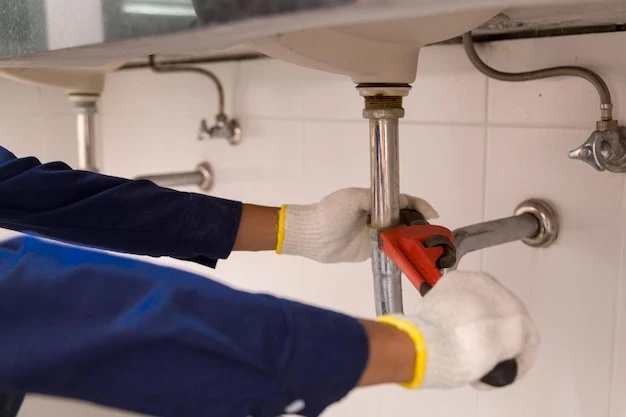
1. Regular Inspections and Maintenance
Routine Inspections: Regularly inspect your water lines for any signs of wear and tear. Look for moisture, rust, or corrosion on exposed pipes, and listen for unusual sounds that may indicate a problem. Early detection can help address issues before they escalate into major leaks.
Professional Maintenance: Schedule annual inspections with a licensed plumber. Professionals have the expertise to identify potential problems that may not be visible to the untrained eye. They can also perform maintenance tasks such as tightening connections, checking for leaks, and cleaning the system.
2. Monitor Water Pressure
Install a Pressure Regulator: High water pressure is a common cause of water line leaks. Installing a pressure regulator can help maintain a safe water pressure level in your home, typically between 40-60 psi. This device can prevent excessive pressure from stressing your pipes and causing leaks.
Regular Pressure Checks: Periodically check your water pressure using a pressure gauge. Attach the gauge to an outdoor faucet and turn on the water. If the pressure is too high, adjust the pressure regulator or contact a plumber for assistance.
3. Protect Pipes from Freezing
Insulate Pipes: During cold weather, exposed pipes are at risk of freezing and bursting. Insulate pipes in unheated areas such as basements, attics, and crawl spaces with foam insulation sleeves or pipe wrap. This insulation helps maintain a stable temperature and prevents freezing.
Keep a Drip: On extremely cold nights, allow a small trickle of water to flow through faucets connected to exposed pipes. Moving water is less likely to freeze. Additionally, open cabinet doors under sinks to allow warm air to circulate around the pipes.
4. Avoid Chemical Drain Cleaners
Use Natural Alternatives: Chemical drain cleaners can corrode pipes and lead to leaks. Opt for natural alternatives such as baking soda and vinegar or use a drain snake to clear clogs. Regularly clean drains to prevent buildup and maintain the flow of water.
Professional Cleaning: If you experience frequent clogs, consider scheduling professional drain cleaning. Plumbers can use specialized tools and techniques to remove blockages without damaging your pipes.
5. Address Tree Root Intrusion
Root Barriers: Tree roots can infiltrate water lines, causing blockages and leaks. Install root barriers around your pipes to prevent roots from growing into the plumbing system. These barriers redirect root growth away from pipes, protecting them from damage.
Choose Appropriate Landscaping: When planting trees and shrubs, consider the location of your water lines. Avoid planting large trees with invasive root systems near your plumbing. Opt for smaller, less aggressive plants that pose minimal risk to your pipes.
6. Upgrade Old Pipes
Replace Aging Pipes: Older pipes made of materials such as galvanized steel, lead, or polybutylene are more prone to leaks. Consider upgrading to modern materials like copper, PVC, or PEX, which are more durable and resistant to corrosion.
Whole-House Repipe: If your home has outdated plumbing, a whole-house repipe may be necessary. This comprehensive upgrade replaces all old pipes with new ones, significantly reducing the risk of future leaks.
7. Install a Water Softener
Hard Water Treatment: Hard water contains high levels of minerals that can build up in pipes and cause blockages and leaks. Installing a water softener can remove these minerals, extending the lifespan of your plumbing system and preventing leaks caused by mineral buildup.
8. Use Proper Installation Techniques
Hire Professional Plumbers: When installing new pipes or fixtures, always hire licensed professionals. Proper installation techniques are crucial to prevent leaks. Plumbers ensure that pipes are correctly aligned, secured, and connected, reducing the risk of future problems.
Quality Materials: Use high-quality materials for plumbing installations. Cheap or substandard materials can deteriorate quickly, leading to leaks. Invest in durable, reliable products to ensure the longevity of your plumbing system.
9. Install a Leak Detection System
Smart Leak Detectors: Install smart leak detection devices that monitor your water lines for leaks. These devices can alert you to potential issues via smartphone notifications, allowing you to take immediate action. Some systems can even shut off the water supply automatically to prevent damage.
Regular Monitoring: Regularly check leak detection devices to ensure they are functioning correctly. Replace batteries as needed and test the system periodically to confirm it is working effectively.
10. Educate Household Members
Water Usage Habits: Educate your family members about proper water usage habits. Avoid overloading sinks and drains, and be mindful of what goes down the drain to prevent clogs. Encourage regular inspections and prompt reporting of any signs of leaks or plumbing issues.
Emergency Procedures: Ensure everyone in the household knows how to shut off the main water supply in case of an emergency. Familiarize them with the location of shut-off valves and provide instructions on what to do if a leak is detected.
11. Implement Preventative Landscaping
Grading and Drainage: Ensure that your landscaping is designed to direct water away from your home’s foundation. Proper grading and drainage systems can prevent water from pooling near your foundation, reducing the risk of leaks and damage to under-slab pipes.
Mulching: Apply mulch around the base of trees and shrubs to retain moisture and regulate soil temperature. Mulching helps protect roots from extreme temperatures and reduces the need for frequent watering, which can saturate the soil and affect nearby pipes.
12. Regular Sewer Line Inspections
Camera Inspections: Schedule regular sewer line inspections using camera technology. Plumbers can insert a small camera into the sewer line to detect blockages, cracks, and other issues. Early identification allows for timely repairs and prevents leaks.
Routine Maintenance: Perform routine maintenance on your sewer line, such as hydro jetting, to remove buildup and prevent blockages. Keeping the sewer line clear reduces the risk of leaks and backups.
13. Address Soil Movement
Foundation Stability: Ensure your home’s foundation is stable and not subject to excessive soil movement. Soil shifting can stress pipes and cause leaks. Consult a foundation specialist if you notice signs of movement, such as cracks in walls or uneven floors.
Proper Compaction: When building or renovating, ensure proper soil compaction around your home’s foundation. Well-compacted soil reduces the likelihood of settling and shifting, which can damage pipes.
14. Install Expansion Tanks
Thermal Expansion: Water heating systems can cause thermal expansion, which increases pressure in the plumbing system. Installing an expansion tank absorbs the excess pressure, protecting your pipes from stress and reducing the risk of leaks.
15. Use Flexible Hoses
Appliance Connections: Use flexible hoses for connections to appliances such as washing machines and dishwashers. Flexible hoses can absorb movement and reduce stress on the pipes, preventing leaks caused by vibrations or shifting.
Regular Inspections: Periodically inspect flexible hoses for signs of wear, cracks, or bulging. Replace any damaged hoses promptly to prevent leaks.
Conclusion
Implementing water line leak repair measures to avoid future water line leaks is essential for maintaining the integrity of your plumbing system and protecting your property. Regular inspections, proper maintenance, and the use of quality materials can significantly reduce the risk of leaks. Educating household members and staying vigilant for signs of potential issues further ensures the longevity and reliability of your water lines. By taking these proactive steps, homeowners can enjoy peace of mind and avoid the costly and disruptive consequences of water line leaks.

























Sign in to leave a comment.