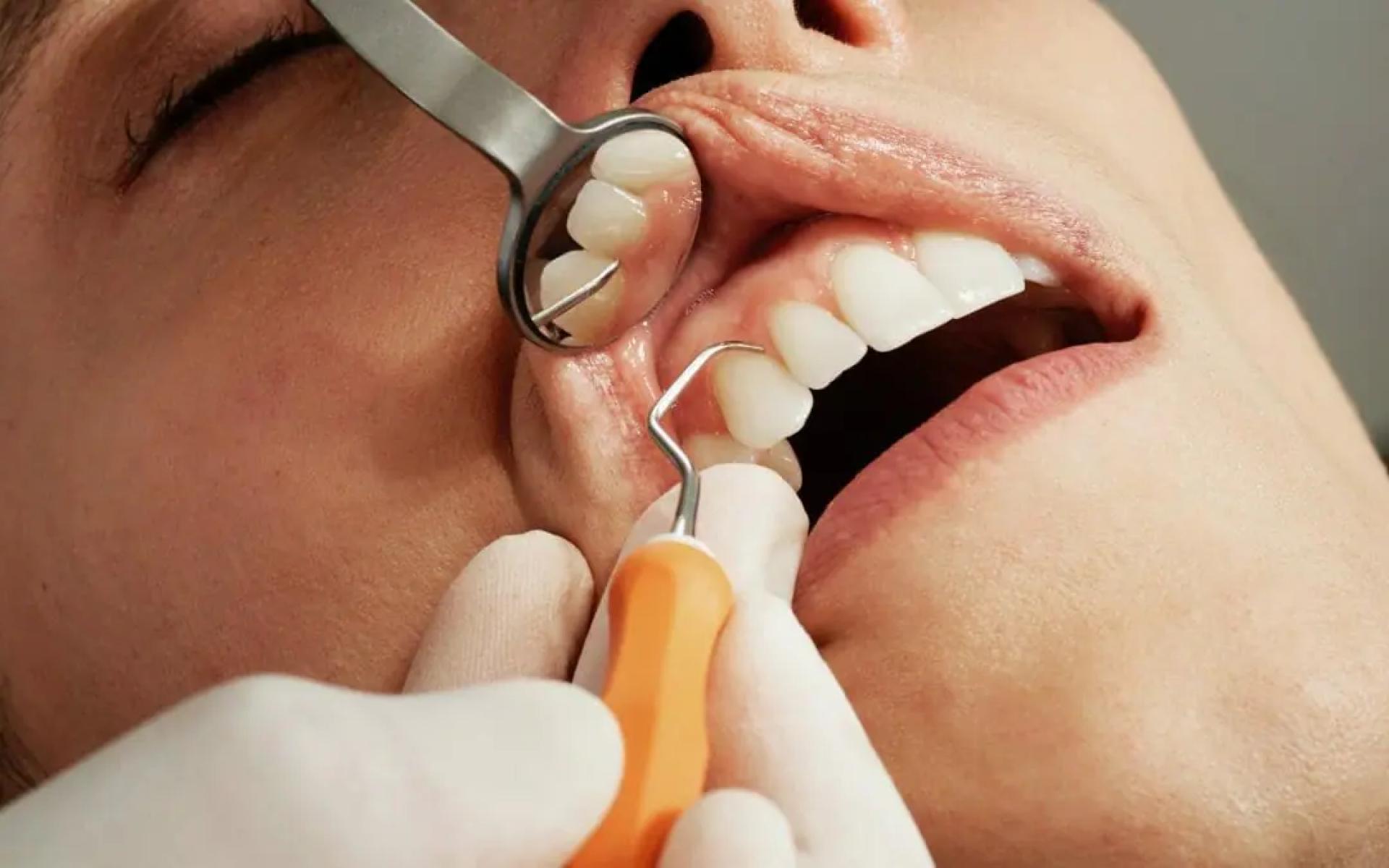
Most people visit the dentist when something hurts. A cracked tooth, a persistent ache, a filling that's fallen out, these are the moments that prompt us to book an appointment. But by that point, the damage is already done. Understanding the difference between preventative and restorative dental care helps you take control of your oral health before problems arise, rather than simply reacting to them.
This guide breaks down both approaches clearly, explains when each is needed, and shows how Fitzroy Dental Practice in London supports patients through every stage of their dental health journey.
What Is Preventative Dental Care?
Preventative dentistry is about stopping problems before they start. It focuses on maintaining a healthy mouth through consistent, proactive habits both at home and in the dental chair.
At Fitzroy Dental Practice, prevention sits at the heart of everything. The goal is to stop dental problems such as decay, gum disease, and enamel erosion from developing in the first place. This means reducing plaque build-up, improving oral hygiene habits, and regularly monitoring changes in your dental health.
Preventative care at Fitzroy is built on three pillars:
- A thorough home care routine includes brushing twice daily, flossing, and using dentist-recommended products.
- Regular hygienist appointments and professional cleaning remove plaque and tartar that home brushing simply cannot reach.
- Routine dental check-ups are examinations that detect early signs of decay, enamel wear, or gum problems, often before any symptoms appear.
What Does Preventive Treatment Include?
Beyond the standard check-up, preventative care encompasses a range of targeted treatments and advice:
- Professional cleaning hygienists remove plaque, tartar, and surface staining from teeth and the gum line.
- Low-dose dental X-rays reveal hidden decay and weakened areas that are invisible to the naked eye.
- Dietary and lifestyle advice, personalised guidance on reducing sugar intake, improving nutrition, and stopping smoking.
- Product recommendations, advice on electric toothbrushes, toothpastes, mouthwash, and interdental tools suited to your needs.
- The team demonstrates effective brushing and flossing techniques to improve your daily routine at home.
- Early-stage fillings and restorations, where early decay is detected, these treatments prevent further deterioration before it becomes a larger problem.
Why Is Preventive Dentistry So Important for Children?
Starting early makes a significant difference. NICE guidelines recommend that children be recalled for dental check-ups at a maximum interval of 12 months, with more frequent visits for those at higher risk. Establishing good habits in childhood, such as regular check-ups, fluoride exposure, and proper brushing technique, creates a foundation for lifelong oral health. It also reduces the likelihood that children will need extensive restorative treatment as adults.
What Is Restorative Dental Care?
Restorative dentistry is concerned with repairing or replacing teeth that have been damaged, decayed, or lost. Where preventative care aims to avoid problems, restorative care steps in once those problems already exist.
According to the NHS, common restorative treatments include:
- Fillings used to repair cavities caused by decay; available in amalgam or tooth-coloured composite.
- Crowns cap placed over a broken, decayed, or heavily damaged tooth to restore its strength and appearance.
- Bridges a fixed replacement for one or more missing teeth, supported by the adjacent teeth.
- Root canal treatment moves infection from inside the tooth's root canal system, saving a tooth that might otherwise need to be extracted.
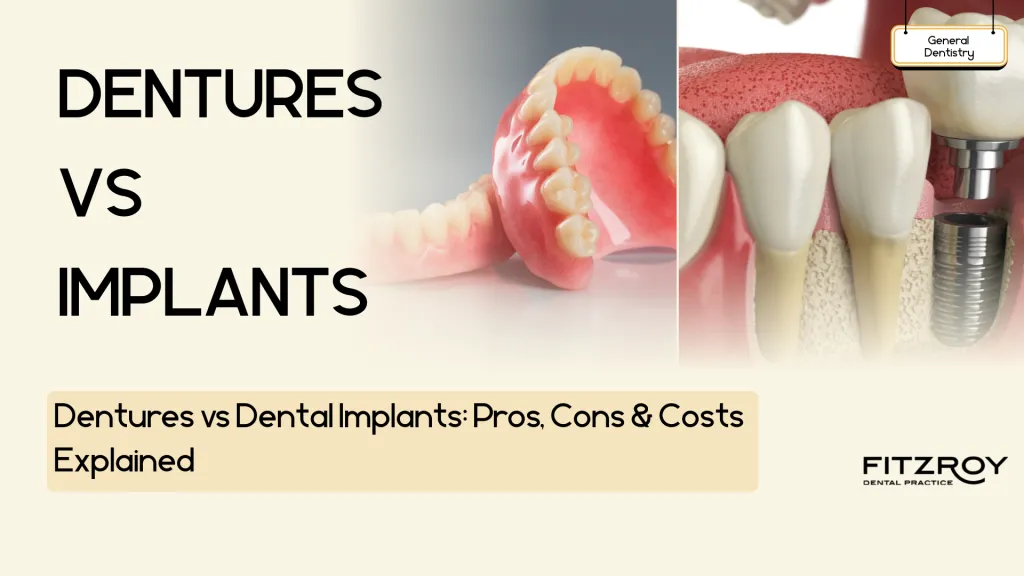
- Dentures and implants for replacing multiple missing teeth, ranging from removable dentures to fixed implants that integrate with the jawbone.
When Is Restorative Treatment Necessary?
Restorative care becomes necessary when the tooth structure or surrounding tissues have been compromised in a way that cannot be reversed through prevention alone. Common signs that restoration is needed include:
- A tooth that has cracked, chipped, or broken
- Visible decay or a hole in a tooth
- Persistent tooth pain or sensitivity
- A missing tooth or teeth
- An old filling that has cracked or come loose
If you experience any of these, it is important to seek professional advice promptly. Left untreated, dental problems rarely resolve on their own, and they tend to become more complex and expensive to address over time.
Preventative vs. Restorative Care: What's the Key Difference?
The fundamental distinction is timing. Preventative care is proactive; restorative care is reactive. One is about maintaining a healthy mouth; the other is about repairing a compromised one.
This does not mean one is more "serious" than the other. Both play a vital role in long-term oral health. However, the evidence strongly supports prevention as the more cost-effective and clinically preferable approach wherever possible.
The CDC estimates that providing dental sealants to children from lower-income households who need them could save up to $300 million in dental treatment costs. Meanwhile, NHS data shows that the US loses over $45 billion in productivity annually due to untreated oral disease, a figure that underscores the wider cost of neglecting dental health. Closer to home, the message is equally clear: consistent preventative care reduces the likelihood of needing complex and costly restorative treatment later.
That said, restorative care is not a consequence of failure. Teeth can be damaged through accidents, wear, and hereditary factors that no amount of brushing can fully prevent. When restoration is needed, accessing high-quality treatment promptly protects what remains and restores both function and confidence.
Which Approach Is Right for You?
For many patients, the answer is a combination of both. A personalised dental care plan might include regular hygienist appointments and check-ups alongside ongoing monitoring of an old filling or a crown placed some years ago.
At Fitzroy Dental Practice, each patient receives care tailored to their individual clinical needs, not a one-size-fits-all approach. NICE guidelines already support personalised recall intervals, ranging from three months to 24 months depending on a patient's oral health history and risk level. Your dentist will use this framework to recommend the recall frequency that is right for you.
How Fitzroy Dental Practice Supports Your Dental Health
Fitzroy Dental Practice is based in London and focuses on prevention first, helping patients avoid problems before they arise. The team provides a full range of preventative services from professional hygiene appointments and dietary advice to dental X-rays and product recommendations alongside restorative treatments when they are needed.
Patients consistently highlight the thoroughness of care and the supportiveness of the team. As one patient noted: "They made me feel completely at ease, explained everything clearly, and the treatment was smooth and painless." Another described it simply: "Best dentist I had in London. Very thorough cleaning and very mindful of the patient's comfort."
For those concerned about the cost of dental care, Fitzroy also offers interest-free finance, allowing treatment costs to be spread over 12 months with no upfront payment required.
Take the First Step Towards a Healthier Smile
The best time to prioritise your oral health is before a problem develops. That means attending regular check-ups, keeping up with hygienist appointments, and acting promptly when something changes.
If you are looking for expert preventative dentistry in London and need restorative care to address an existing concern, Fitzroyy Dental Practice is here to help. Book your appointment today by visiting fitzroydentist.co.uk or calling 020 7387 3317.
Sign in to leave a comment.