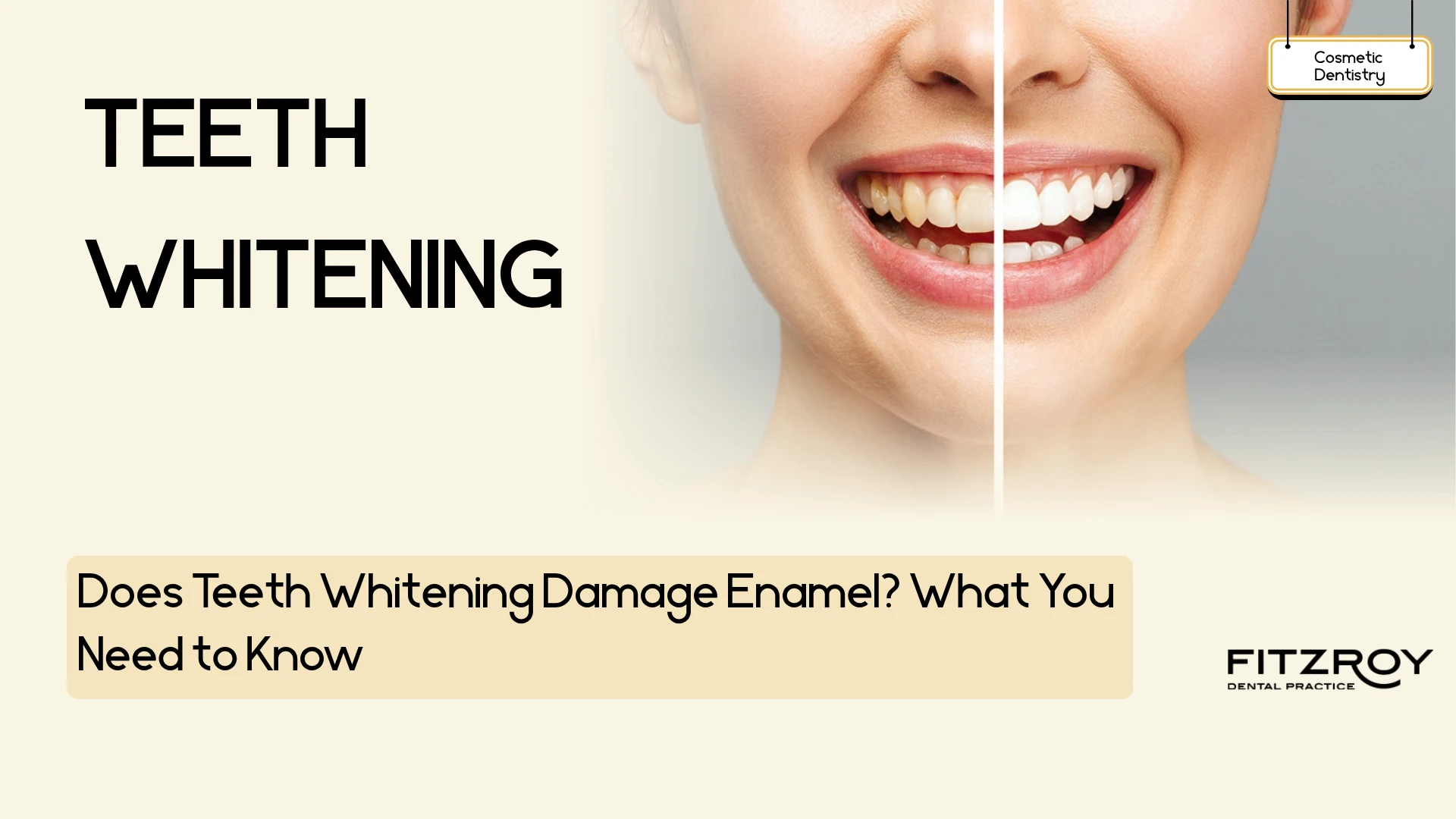
Does Teeth Whitening Damage Enamel?
No, professional teeth whitening does not usually damage healthy enamel when a dentist checks your teeth first, and the treatment is used correctly. That direct answer matters because many people confuse temporary sensitivity with enamel loss. They are not the same thing.
If you are searching for teeth whitening in London, you are likely weighing safety as much as appearance. At Fitzroy Dental Practice, that question starts with a clinical check, because whitening works best when the teeth and gums are already healthy.
What does teeth whitening actually do to teeth?
Teeth whitening changes tooth colour by breaking down stain compounds. It does not file, sand, or strip healthy enamel in the way many people fear.
Professional whitening gels usually use peroxide-based ingredients. These ingredients move through the outer tooth surface and target pigmented molecules that make teeth look darker or more yellow. The process changes stain visibility. It does not remove chunks of enamel.
That distinction matters for the query Does teeth whitening damage enamel. Whitening changes colour chemistry. Enamel damage means structural loss. Those are different events.
A dentist also checks whether your discolouration comes from:
- Surface staining from tea, coffee, red wine, or smoking
- Age-related yellowing
- Internal discolouration
- Restorations such as crowns, veneers, or fillings, which do not whiten like natural teeth
Does whitening teeth hurt enamel or cause sensitivity?
Does whitening teeth hurt enamel? No, not in the usual clinical sense. Whitening can cause temporary sensitivity, but sensitivity is not proof of enamel damage.
Some patients feel short, sharp sensations during or after whitening because the tooth responds to the active ingredient. That response can happen even when enamel remains intact. The discomfort usually relates to the inner tooth response rather than physical enamel erosion.
Sensitivity is more likely when a patient already has:
- Exposed dentine
- Gum recession
- Worn enamel
- Untreated decay
- Cracked teeth
- Existing sensitivity
Overuse also increases risk. Repeated DIY treatments, poor-fitting trays, or products used longer than instructed can irritate teeth and gums. Dentist supervision reduces that risk because treatment strength, timing, and suitability are checked in advance.
Can teeth whitening cause enamel erosion?
Standard professional whitening does not usually cause enamel erosion. Enamel erosion is a different process.
Enamel erosion happens when acids soften and wear away the tooth surface over time. Common causes include fizzy drinks, citrus exposure, reflux, and repeated exposure to acid. Mechanical wear from aggressive brushing or grinding can also weaken teeth.
That means enamel erosion teeth whitening is not a simple cause-and-effect relationship. Whitening does not usually create erosion on its own. The bigger issue is that whitening may be unsuitable if erosion already exists.
A dentist should assess whitening carefully when a patient has:
- Visible enamel wear
- Flattened or translucent tooth edges
- Gum recession
- Tooth grinding
- Acid wear
- Untreated cavities
If teeth are already compromised, the dentist may delay whitening and address the underlying problem first. That is why assessment matters before any cosmetic treatment.
Who should avoid teeth whitening until a dentist checks their teeth?
Anyone with active dental problems should have an examination before whitening. Whitening is a cosmetic treatment, but oral health comes first.
A dentist should assess you before treatment if you have:
- Tooth decay
- Gum disease
- Severe sensitivity
- Enamel erosion
- Cracked teeth
- Leaking fillings
- Recent dental pain
- Crowns, veneers, or extensive bonding in the visible smile zone
This step protects both safety and results. Whitening works on natural teeth. It does not whiten restorations in the same way. A proper consultation helps set realistic shade expectations and helps avoid avoidable side effects.
For patients seeking teeth whitening in London, a dentist-led approach offers a clear advantage.
Is professional teeth whitening safer than shop-bought kits?
Yes, professional teeth whitening is generally safer than unsupervised over-the-counter use because a dentist checks your teeth, matches treatment to your needs, and monitors side effects.
Shop-bought kits vary widely in quality, fit, and instructions. The main problem is not always the product itself. The main problem is incorrect use. Patients may apply it too often, leave it on too long, or use whitening when their teeth are not suitable candidates.
Professional treatment improves safety because:
- A dentist checks the enamel, gums, and restorations first
- The whitening plan matches your level of sensitivity
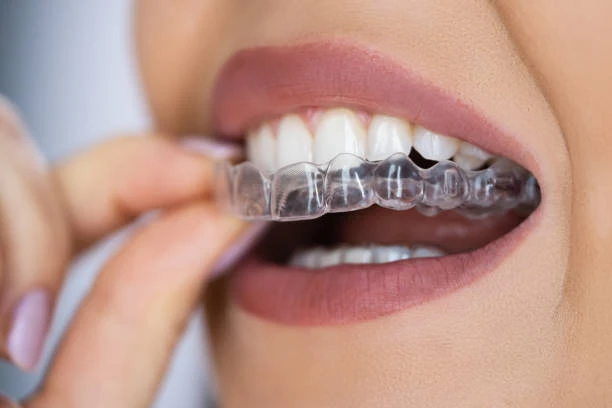
- trays, when used, fit more accurately
- Aftercare instructions reduce irritation risk
- The patient receives help if sensitivity develops
That does not mean every home product is harmful. It means unsupervised use carries more uncertainty. For many patients, especially those with sensitivity or previous wear, professional care is the safer route.
What makes teeth whitening in London at Fitzroy Dental Practice a sensible option?
Teeth whitening in London is safer when it starts with a dental assessment rather than a product purchase. That is especially true if you are worried about enamel, pain, or long-term tooth health.
At Fitzroy Dental Practice, the concern is not only how white teeth can become. The concern is whether whitening is appropriate for your teeth now. A consultation can help identify:
- The cause of discolouration
- Whether enamel is healthy
- Whether sensitivity already exists
- Whether restorations will affect the final appearance
- Which whitening method suits your teeth
This approach supports better cosmetic results and better risk control. It also helps answer a key patient concern early: Does teeth whitening damage enamel? For healthy teeth under professional guidance, the answer is usually no.
How can you whiten teeth without harming enamel?
You can whiten teeth more safely by starting with a dental check and following a dentist-approved plan.
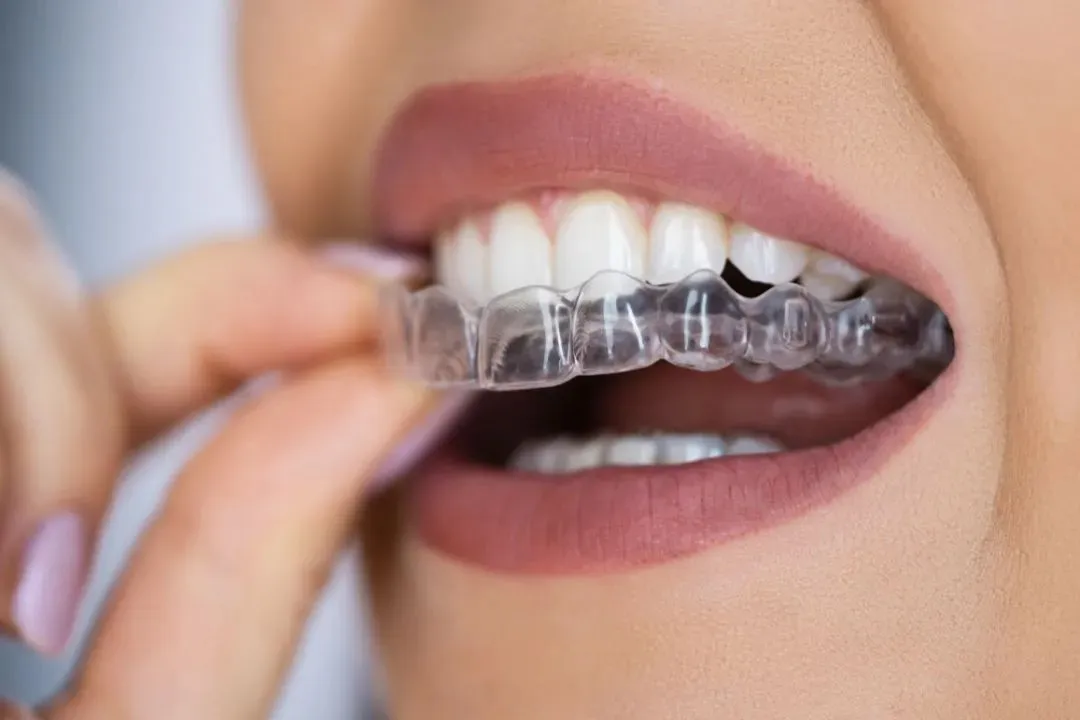
Protect enamel during teeth whitening by following these steps:
- Book an assessment before treatment
- Use dentist-approved whitening products
- Follow the recommended timing exactly
- avoid repeating treatment too often
- Limit acidic food and drinks during whitening
- Use sensitivity support if your dentist advises it
- Avoid abrasive charcoal powders and harsh whitening pastes
Good aftercare also matters. Gentle brushing, fluoride toothpaste, and sensible stain control help maintain results without excessive retreatment.
























Sign in to leave a comment.