

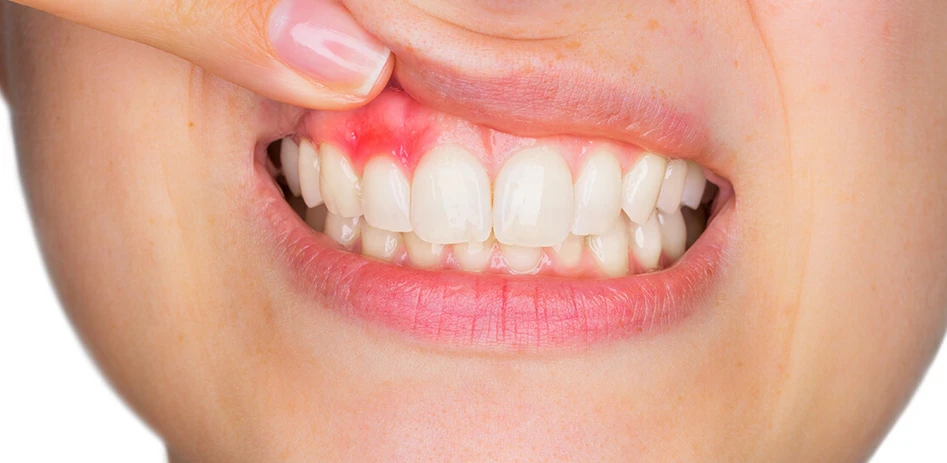
Gum disease, also known as periodontal disease, is a common oral health issue that affects millions of people worldwide. It is caused by the buildup of plaque, a sticky film of bacteria that forms on the teeth and gums. Gum can lead to severe complications such as tooth loss and systemic health problems if left untreated. Fortunately, there are several steps you can take to prevent gum disease and maintain healthy gums. This article will explore some of the best tips for preventing gum disease.
Practice Good Oral Hygiene:
The foundation of maintaining healthy gums is practising good oral hygiene. This includes brushing your teeth at least twice daily with a soft-bristled toothbrush and fluoride toothpaste. Be sure to brush all surfaces of your teeth, including the gumline, using gentle circular motions. Also, remember to floss daily to remove plaque and food particles between your teeth and the gum line. Regular oral hygiene habits help remove plaque and prevent its buildup, reducing the risk of gum disease.
Use an Antimicrobial Mouthwash:
In addition to brushing and flossing, an antimicrobial mouthwash can further prevent gum disease. An antimicrobial mouthwash contains ingredients that help kill bacteria and reduce plaque formation. Rinse your mouth with mouthwash for the recommended duration after brushing and flossing. This will help reach areas that may be difficult to clean with a toothbrush or floss, promoting healthier gums.
Maintain a Balanced Diet:
A healthy diet plays a crucial role in preventing gum disease. Opt for a well-balanced diet with plenty of fruits, vegetables, whole grains, and lean proteins. Avoid sugary and starchy foods as they contribute to plaque formation. Sugar feeds the bacteria in your mouth, leading to increased plaque production. Instead, choose foods rich in vitamins and minerals, such as vitamin C and calcium, which are essential for gum health. Maintaining a nutritious diet supports oral health and strengthens your body's ability to fight gum disease.
Quit Smoking:
Smoking or using tobacco products significantly increases the risk of gum disease. Smoking weakens the immune system, making it harder for your body to fight off infections, including gum. It also reduces blood flow to the gums, impairing their healing ability. If you smoke, quitting is one of the best things you can do for oral health. Seek support from healthcare professionals or smoking cessation programs to quit smoking and reduce your risk of gum disease successfully.
Schedule Regular Dental Check-ups:
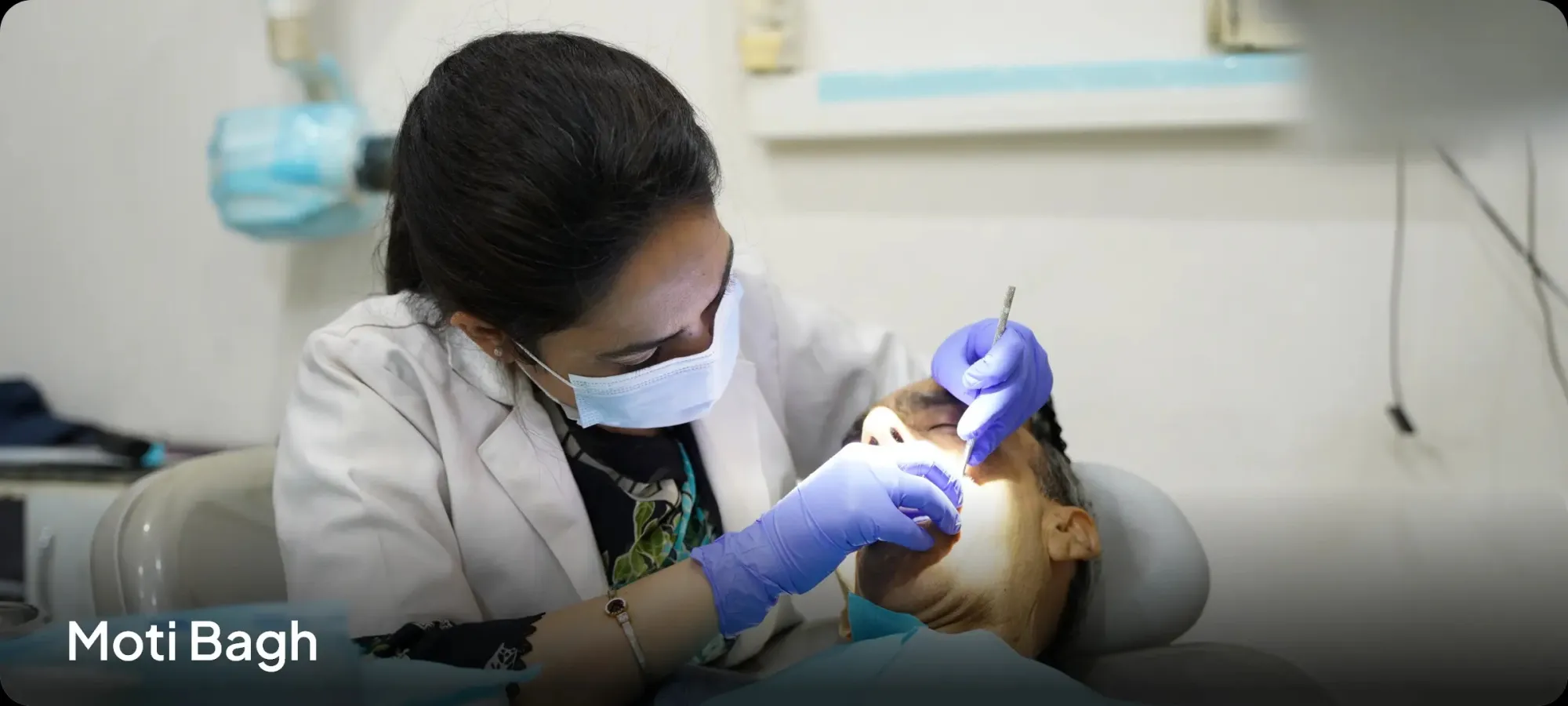
Regular dental check-ups are essential for preventing gum disease. Dentists and dental hygienists can identify and treat early signs of gum disease, often before symptoms become noticeable. They will comprehensively examine your teeth and gums, looking for signs of inflammation, bleeding, and gum recession. Regular professional cleanings also help remove tartar, a hardened form of plaque that cannot be removed by brushing and flossing alone. Aim to visit your dentist at least twice yearly for check-ups and cleanings to maintain optimal gum health.
Manage Stress:
Stress can significantly impact your oral health, including your gums. Chronic stress weakens the immune system and increases inflammation throughout the body, including the gums. This makes you more susceptible to gum disease. Find healthy ways to manage stress, such as exercising, practising relaxation techniques, or engaging in hobbies you enjoy. Reducing stress can improve oral health and help prevent gum disease.
Address Teeth Grinding:
Teeth grinding or bruxism can put excessive pressure on your teeth and gums, leading to gum recession and an increased risk of gum disease. If you grind your teeth, especially at night, consider using a mouthguard or splint recommended by your dentist. These devices help protect your teeth and gums from the damaging effects of grinding. By addressing teeth grinding, you can help preserve the health of your gums and prevent gum disease.
Stay Hydrated:
Drinking plenty of water throughout the day is beneficial not only for your overall health but also for your gum health. Water helps wash away food particles and bacteria contributing to plaque formation. It also promotes saliva production, vital in maintaining a healthy oral environment. Saliva helps neutralise acids produced by bacteria and aids in remineralising tooth enamel. By staying hydrated, you can support your gum health and reduce the risk of gum disease.
In conclusion, preventing gum disease requires consistent effort and a proactive approach to oral health. By practising good oral hygiene, using antimicrobial mouthwash, maintaining a balanced diet, quitting smoking, scheduling regular dental check-ups, managing stress, addressing teeth grinding, and staying hydrated, you can significantly reduce your risk of gum disease and maintain healthy gums. Remember, prevention is critical, and taking care of your gums is just as important as taking care of your teeth for a lifetime of optimal oral health and effective gum treatment.





























Sign in to leave a comment.