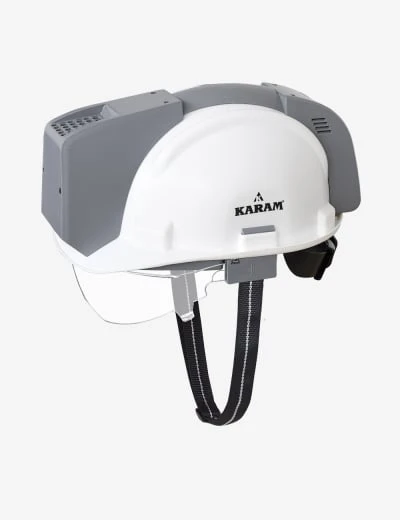
In bustling construction zones, head injuries remain one of the most frequent and serious hazards. A proper construction helmet, often referred to in broader terms as builders helmets, is the frontline defence for every worker, from electricians and welders to labourers and site supervisors. These safety essentials protect against falling objects, electrical risks, and environmental hazards, while serving as a cornerstone for a culture of safety. This article explores the importance of selecting the right helmet, key product features, and best practises for ensuring effective protection.
1. Why a Construction Helmet Matters
A construction helmet isn’t just a piece of everyday gear, it’s a potentially life-saving shield. Falling debris, structural shifts, or accidental impacts can lead to traumatic brain injuries in the blink of an eye. By wearing certified builders helmets, workers significantly reduce the severity of head injuries and reinforce safety norms on-site.
Companies such as KARAM design helmets that combine comfort with reliable protection, enabling professionals to focus on their work with confidence and peace of mind.
2. Key Features of Modern Builders Helmets
What elevates a good construction helmet into the “best-in-class” category? Modern builders helmets incorporate several advanced design elements:
- Shock-absorbing structure with vertical clearance and reinforced peaks to withstand heavy impacts and distribute force effectively.
- Ventilation options, such as adjustable ventilators like those seen in KARAM’s PN541 model, help maintain breathability and comfort during long shifts.
- Adjustable fit systems, including slider or ratchet mechanisms and optional chin straps, ensure a secure and customisable wearer experience.
- Electrical insulation properties, enabling safe operation around live circuits (e.g., withstood up to 10 kV in testing).
- Compliance with safety standards (e.g., EN 397:2012+A1:2012 and IS regulations), ensuring helmets meet industry benchmarks.
3. Choosing the Right Model for a Construction Site
Selecting the proper builders helmets depends on your environment:
- Ventilated helmets like KARAM’s PN541 are ideal for hot, active sites requiring airflow.
- Advanced ratchet-adjustment helmets offer faster fitting and re-fitting, great for teams with rotating shifts.
- Electric-rated helmets with chin straps are critical for tasks involving overhead wiring or elevated work.
Prioritise matching helmet styles to specific site challenges, whether it’s heat, electrical risk, or heavy structural work, to ensure optimal safety.
4. Maintenance, Fit, and Compliance Best Practises
Even the best construction helmet won’t serve its purpose if not properly maintained:
- Regular Inspections: Check for cracks, dents, or damaged adjustments before every use.
- Cleaning & Storage: Wipe with mild soap, avoid harsh chemicals, and store away from heat to preserve material integrity.
- Training & Policy Enforcement: Educate teams on proper wear, replacement criteria, and certification importance.
- Standards Adherence: Ensure all builders helmets in use are certified under the relevant regional or international standards for maximum protection.
A dependable construction helmet, or builders helmet, is not just personal protective equipment; it’s a statement: a commitment to safety, professionalism, and conscientious work culture. By choosing thoughtfully engineered helmets like those offered by KARAM, with ventilation, adjustable fit systems, impact resistance, and electrical safety, you protect not just heads, but lives. When paired with proper maintenance and user training, these helmets become indispensable in every safe, efficient, and forward-thinking construction environment.

























Sign in to leave a comment.