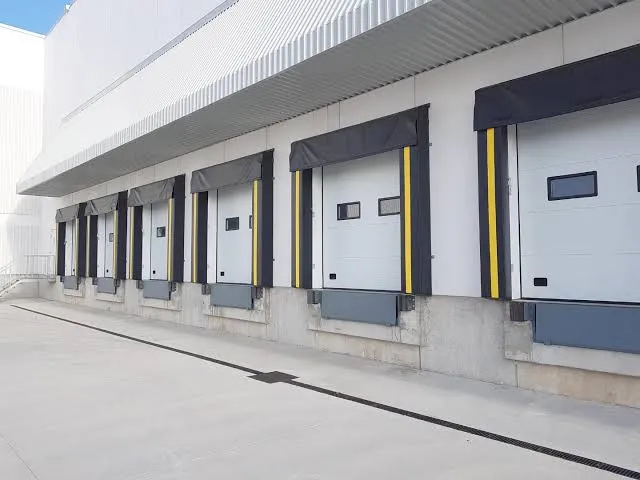

Most homeowners view their garage door as a simple utility, a massive moving wall that should just work when a button is pressed. However, that "moving wall" is actually the largest and heaviest piece of moving machinery in your entire home. It operates under immense tension, relies on intricate synchronization between dozens of components, and is subject to the relentless cycles of local weather. Ignoring its upkeep doesn't just lead to an annoying squeak; it leads to systemic failure that can compromise your home’s security and your family’s safety.
Maintaining a garage door is less about being a "handyman" and more about being an observant curator of your home’s mechanical health. By understanding the physics of the system and the early warning signs of wear, you can extend the lifespan of your door by decades while avoiding the steep costs of emergency structural repairs.
The Physics of Tension and Balance
At the heart of every functional door is the counterbalancing system, typically powered by torsion springs. These springs do the heavy lifting, neutralizing the door's weight so that a motor (or a human hand) can move it with minimal effort. When a door is properly balanced, you should be able to lift it halfway manually and have it stay in place without sliding down or snapping upward.
The first essential garage maintenance tip for any homeowner is the monthly balance test. To perform this, disconnect the opener by pulling the red emergency release cord while the door is closed. Lift the door halfway. If it feels heavy or crashes back to the floor, the springs have lost their tension or are nearing the end of their cycle life. Conversely, if it wants to race to the ceiling, the springs are overtightened. In either scenario, the opener's motor is being forced to work twice as hard, leading to a premature burnout of the internal plastic gears.
While you are testing the balance, take a moment to inspect the cables. These high-tension steel wires are what actually pull the door up. Look for "polly-wogging" or fraying. A single broken strand is a sign of imminent failure. Because these components are under enough force to cause serious injury, adjustments to the springs or bottom brackets should always be left to professionals who understand the specific torque requirements of your door model.
Lubrication: The Silent Guardian of Hardware
Metal-on-metal contact is the primary enemy of garage door longevity. Friction causes heat, heat causes expansion, and expansion leads to warped tracks and snapped hinges. However, the biggest mistake homeowners make is using the wrong substance for the job. Standard WD-40 is a degreaser, not a long-term lubricant; it will actually strip away existing grease and leave the metal vulnerable to rust.
Instead, use a high-quality lithium-based or silicone spray. Your focus should be on the "moving" parts of the hardware:
- Steel Rollers: Apply lubricant to the ball bearings inside the roller, not the track itself. Greasing the tracks actually collects dust and hair, creating a sticky "sludge" that makes the door stutter.
- Hinges: Every pivot point where the door panels fold needs a light coating.
- Torsion Springs: A light spray across the entire length of the spring helps the coils slide against each other quietly and prevents surface rust, which is the leading cause of spring snapping in humid climates.
By maintaining a thin film of protection, you reduce the decibel level of your door significantly. If your garage is attached to a bedroom, this isn't just maintenance; it’s an investment in your quality of sleep.
Weatherproofing and Thermal Efficiency
In regions where temperatures fluctuate wildly, your garage door acts as the primary thermal bridge for your home. A door that doesn't seal properly is essentially a giant hole in your insulation strategy. Over time, the rubber weatherstripping at the bottom of the door (the "astragal") will flatten, crack, or become brittle.
Check the seal by closing the door and looking for light peeking through the bottom or sides. If you see daylight, you are losing money on your heating and cooling bills. Replacing a bottom seal is a cost-effective way to keep pests out and maintain a stable internal temperature. Furthermore, check the perimeter weather-stripping attached to the door jamb. If it is stiff, it won't create the necessary vacuum seal against the door panels, allowing wind-driven rain to enter and potentially rot the wooden framing of your garage.
For those with wooden doors, seasonal swelling is a major factor. Wood absorbs moisture, which increases the weight of the door and alters the balance. Ensuring the door is properly painted or stained on all six sides, including the top and bottom edges prevents moisture penetration and keeps the door’s weight consistent throughout the year.
The Role of the Opener and Safety Sensors
Modern openers are highly sophisticated computers. They are equipped with "force sensitivity" settings that detect if the door has hit an obstruction. Once or twice a year, you should test this by placing a solid object, such as a 2x4 piece of wood, flat on the ground in the door's path. When the door hits the wood, it should reverse immediately. If it continues to press down, the force settings need to be recalibrated to prevent damage to the door or anything (or anyone) caught beneath it.
Similarly, the photo-eye sensors located near the floor are your second line of defense. These sensors must be aligned perfectly to communicate. If the green and amber lights are flickering, it usually means the vibrations of the door have loosened the mounting brackets. Keeping these lenses clean of cobwebs and dust ensures that your door doesn't "ghost open" or refuse to close when you are in a hurry to leave for work.
When to Call in the Experts
While a homeowner can handle cleaning, lubrication, and basic inspections, there is a clear line where DIY becomes dangerous. The bottom brackets, cables, and springs are under "extreme tension." Attempting to unscrew a bottom bracket while the door is under tension can result in the bracket flying off with enough force to cause severe trauma.
Professional technicians don't just fix what is broken; they perform a comprehensive "tune-up" that includes tightening every bolt on the track, checking the "plum" of the vertical rails, and ensuring the opener's travel limits are precise. A well-maintained door should operate so smoothly that you can barely hear it from the next room.
If you notice your door is shaking during operation, making a rhythmic "clunking" sound, or if one side appears higher than the other, these are signs of structural fatigue that require immediate professional attention. Proactive maintenance is always cheaper than a total door replacement.
Resources for Homeowners
To keep your home running smoothly, it's important to look at the bigger picture of residential care. Whether you are looking for expert garage door repair to handle the heavy lifting or searching for more DIY maintenance guides to stay ahead of the curve, staying informed is your best tool. For those who want to understand the full scope of what a professional visit entails, reviewing a comprehensive service checklist can help you communicate more effectively with your technician.
Your garage door is a silent partner in your home's daily rhythm. By spending thirty minutes every few months on basic inspections and lubrication, you ensure that this massive machine remains a convenience rather than a liability. Take care of the hardware, and the hardware will take care of you.

























Sign in to leave a comment.