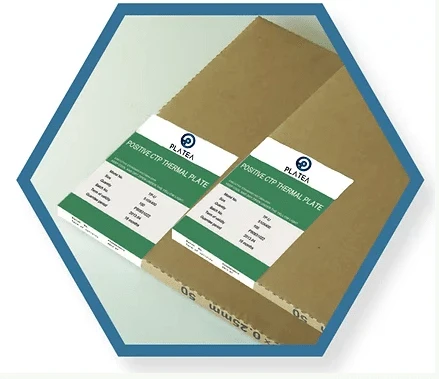

Like any other piece of machinery in a factory, the CTP system must be operated and maintained by a skilled and devoted operator on a daily basis. Plate CTP traditionally needs a "developing" plate processor to remove the coating from non-printing areas after the raw plate has been lasered by the imagesetter, a process known as "developing." The quality of run-ready plates is ensured by the use of a few different factors.
There are several common problems with the plate processor: banding owing to a weak chemical developer, unwanted markings on the plate from a complex (old) processor brush, chemical re-deposits due to inadequate processor chemical maintenance, etc.
Suppose you've got your CTP system tuned in, and the processed plate looks good. What are some things to consider?
Do you know how much time and money it takes to operate the plate processor each month or year?What if it was possible to put the laser plate directly on the printing press instead of using a plate processor that uses a lot of chemicals?Imagine not having to dispose of hazardous waste regularly.
Consider the processless printing plates (or processes) if your answers to the questions above leave you exploring alternative possibilities.
Switching to the Process-Free Plate Has Many Advantages
Effort Reduction
To run and maintain a standard plate processor, you'll need a person with special training. Typical duties include removing rollers, cleaning rollers, washing trays, mixing chemicals, filling bottles, replacing hoses, maintaining processing gears, and so on. The Process Free plate frees up prepress workers' time and energy to concentrate on other aspects of prepress.
Reduced Prices
There are significant savings on in-plant utility costs and chemical consumables when using a plate processor. The use of water and power for a plate processor is eliminated with the help of a process-free plate. There is no longer a need for repairs or replacements for the plate processor.
Friendly to the Environment
Process Free plates do not need extra chemicals to develop before being put on the press. As a result, water pollution is significantly reduced, and printers may reclaim the space formerly occupied by the chemicals required to make plates.
Additionally, if you're switching to processing free plates, you'll probably need a new CTP image setter. According to the savings and advantages outlined, it seems to be an excellent investment with a very high return on investment.
0





























Sign in to leave a comment.