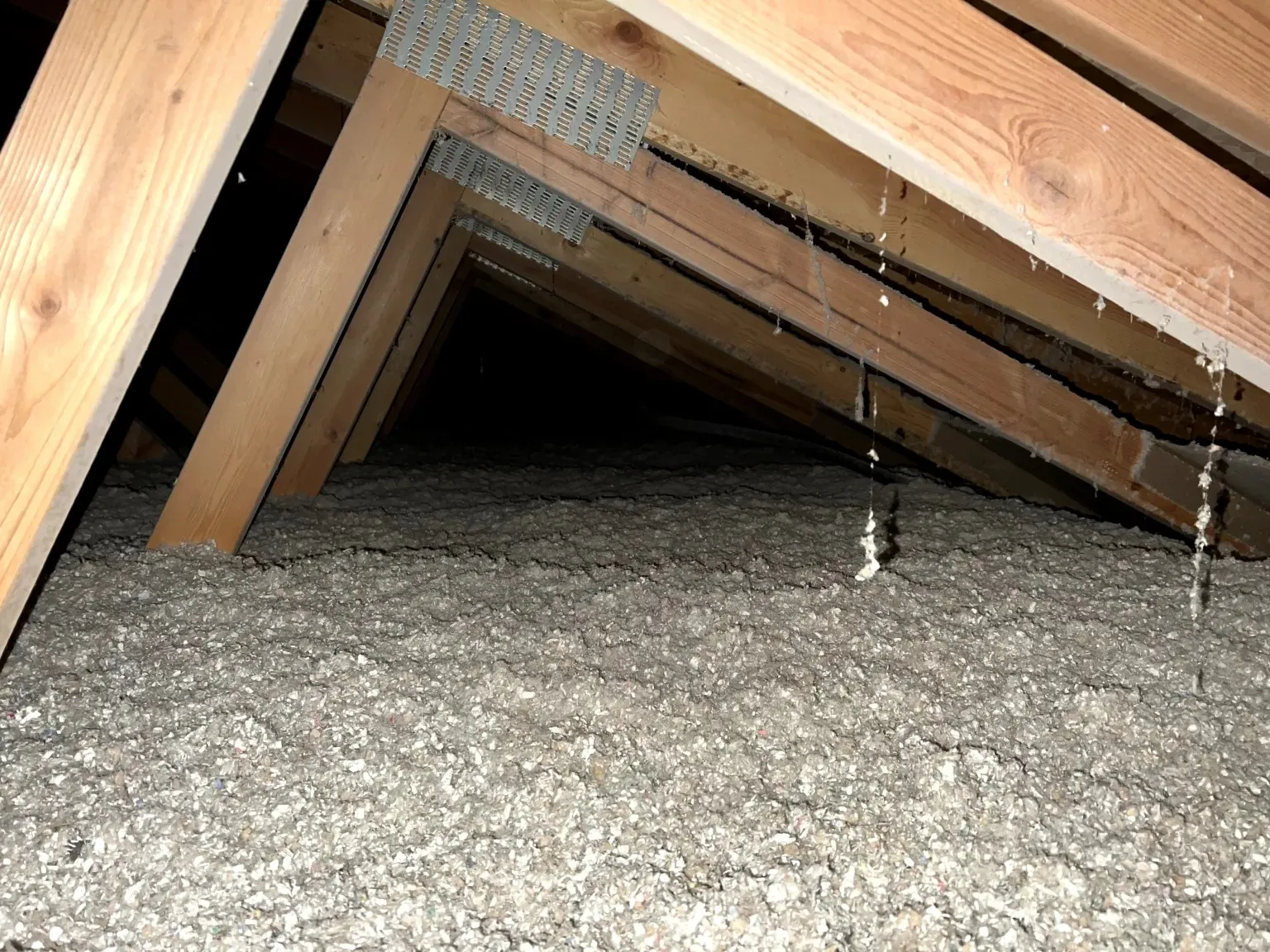

A professional blown-in insulation contractor in Adel, GA, helps you achieve a more energy-efficient home by installing high-density materials into attics, walls, and crawl spaces. This process uses specialized machinery to distribute loose-fill cellulose or fiberglass, creating a seamless thermal blanket that blocks heat transfer. By filling every small gap and crevice, this method significantly reduces the workload on your heating and cooling systems.
Homeowners in South Georgia often face high humidity and extreme summer temperatures that drive up power bills. This article provides a detailed look at how professional insulation services improve home comfort and lower long-term costs. You will learn about material choices, installation techniques, and the financial benefits of upgrading your property.
How Blown-In Insulation Increases Energy Efficiency
Blown-in insulation works more effectively than traditional fiberglass batts because it conforms to the specific shape of your attic. It fills around pipes, wires, and joists where air leaks typically occur, which creates a more consistent R-value across the entire surface of your ceiling.
National data indicates that air sealing and insulating a home can save a homeowner approximately 15% on heating and cooling costs. In a climate like Adel, where air conditioners run for most of the year, these savings accumulate quickly. The material creates a barrier that keeps the hot Georgia air outside and the conditioned air inside.
Because the material is packed tightly, it also helps reduce noise from the outside. This adds a layer of quiet to your living space while protecting your HVAC system from overworking. Most homeowners notice a distinct difference in their indoor temperature immediately after the installation is complete.
Choosing Between Cellulose and Fiberglass Materials
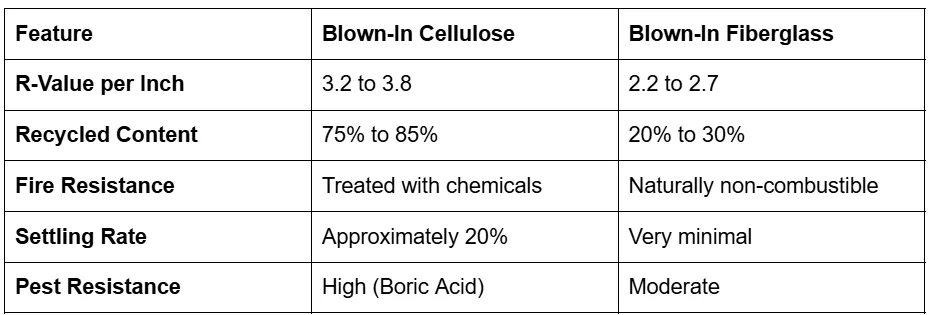
Two primary materials dominate the blown-in insulation market. Cellulose consists of recycled paper products treated with boric acid for fire resistance and pest control. Fiberglass is made of fine glass fibers and is naturally resistant to fire and moisture.
Cellulose generally has a higher R-value per inch than fiberglass, meaning you need less depth to achieve the same thermal resistance. However, fiberglass is lighter and does not settle as much over time. Both options are effective when installed by a professional who understands the specific needs of your structure.
Technical Comparison of Common Blown-In Materials
Can Blown-In Insulation Lower Utility Bills?
As previously noted, the short answer is yes. When you hire a professional to install loose-fill material, they ensure the attic reaches the recommended R-value for Georgia’s climate. For Zone 3, which includes Adel, experts suggest an R-value between R-38 and R-60.
Older homes in Georgia often have only three to four inches of insulation. This is far below modern standards and allows heat to radiate through the ceiling into your living areas. Increasing this depth to fourteen or fifteen inches can significantly slash your monthly energy consumption.
Beyond the monthly savings, a well-insulated home puts less stress on your HVAC unit. When the system cycles less frequently, it lasts longer and requires fewer repairs. This provides a secondary financial benefit that many people overlook when considering the initial cost of the upgrade.
Regional Considerations for South Georgia Homes
Adel experiences high humidity levels that can affect how insulation performs. Moisture trapped in an attic can lead to mold growth or cause certain materials to clump. Professional contractors in this region focus on proper ventilation to ensure the attic stays dry.
Baffles must be installed at the eaves to prevent the new insulation from blocking the soffit vents. This allows fresh air to flow under the roof deck, which carries away heat and moisture. Without these baffles, the attic can become a trap for hot, humid air.
Bonus Tip 1: Always check for roof leaks before adding new insulation. Even the best materials will lose their effectiveness if they become wet from a leaky shingle or flashing.
Elements to Verify Before Hiring a Contractor
Once you understand the regional needs of South Georgia, selecting the right provider requires more than just comparing prices. You need a team that understands local building codes and the nuances of Southern home construction. A mistake in installation can lead to blocked vents or electrical hazards.
Verify that the contractor uses high-grade machinery that breaks up the material properly before blowing it through the hose. If the material is too dense or too loose, it will not provide the promised R-value. Ask for a post-installation report that shows exactly how many bags were used to reach the target depth.
Check if the provider offers a comprehensive attic inspection. This should include looking for existing mold, signs of pests, and old insulation that needs removal. A quality contractor will not just blow new material over a pre-existing problem.
Factors to Weigh Before Moving Forward with the Project
Before you sign a contract, consider the current state of your attic floor. Many professionals recommend air sealing before adding blown-in material. This involves using spray foam or caulk to seal holes where wires and pipes enter the attic.
Air Sealing Needs
Insulation stops heat transfer, but it does not stop air flow. Sealing gaps ensures the insulation works at its maximum capacity.
Weight Limits
In some older homes, the ceiling drywall may not be rated to hold the weight of a very deep layer of cellulose.
Recessed Lighting
Older "can" lights that are not rated for contact with insulation require specialized covers to prevent fire hazards.
Accessibility
Ensure the contractor has a clear path to the attic hatch and that the hatch itself is insulated after the job is done.

The Professional Installation Process
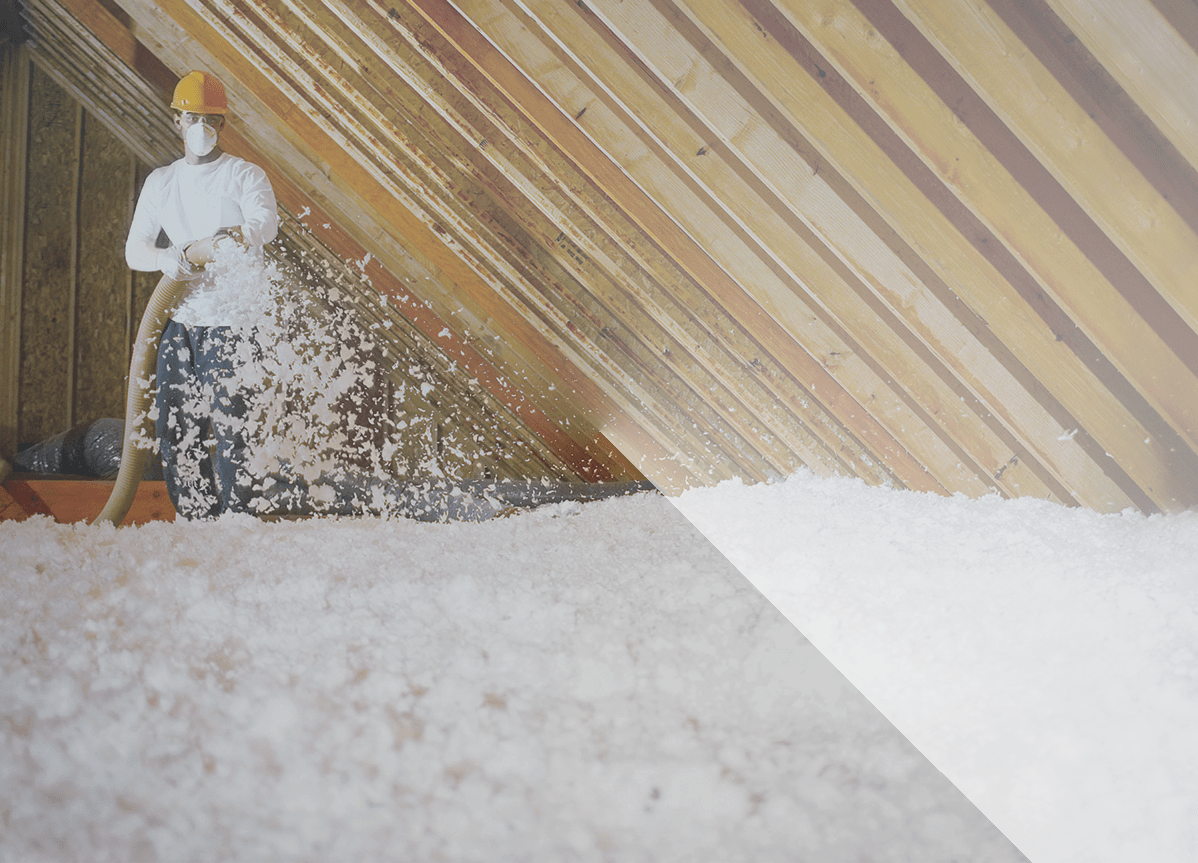
With the preparatory factors weighed and the contractor selected, the physical installation process begins. Technicians cover walkways with drop cloths to protect your flooring from dust. They then run a long, flexible hose from a truck-mounted machine into the attic space.
One technician stays at the machine to feed the material into a hopper, while another operates the hose in the attic. They move systematically from the furthest corners back toward the exit. This ensures an even distribution of material without leaving any thin spots.
A professional job usually takes only a few hours for a standard-sized home. Once the desired depth is reached, the team cleans up any stray fibers. They should also provide a card or sticker in the attic that lists the final R-value and the date of installation.
Best Practices for Maintaining Home Efficiency
Once the insulation is in place, it requires very little maintenance. However, you should avoid walking on the material, as compression reduces its R-value. If you need to store items in the attic, ask the contractor to build a raised platform before the insulation is blown in.
Check your attic once a year for any signs of animal intrusion. Squirrels or raccoons can move insulation around, creating "cold spots" in your ceiling. Keeping the material undisturbed ensures it continues to perform effectively for decades.
Bonus Tip 2: Consider insulating the attic hatch or pull-down stairs. This is often the largest "hole" in your home's thermal envelope and is frequently forgotten during a standard upgrade.
Conclusion for Property Owners
Upgrading to professional blown-in insulation is one of the most effective ways to enhance your home's energy performance in Adel, GA. By creating a dense, seamless barrier, you protect your living space from the intense South Georgia heat. This results in lower utility bills, a longer-lasting HVAC system, and a more comfortable indoor environment. You should evaluate your current attic depth and consider the long-term savings of a high-quality insulation upgrade. Taking action now ensures your home remains a sanctuary of efficiency regardless of the weather outside.
Get a Professional Assessment for Your Adel Home Today
If you want to lower your energy costs and improve your home comfort, contacting a local expert is the best first step. You can reach out to Premier Insulation for a professional evaluation of your property. They offer a wide range of services, including blown-in cellulose and air sealing, to help you achieve a more efficient living space. For a free quote and personalized advice, send an email to [email protected] or call (229) 554-3939. Let Premier Insulation help you make your Georgia home more sustainable and affordable today.
Common Questions Regarding Attic Insulation Upgrades
How long does blown-in insulation usually last?
Most blown-in materials like fiberglass and cellulose are designed to last between 20 and 30 years. However, if the material remains dry and undisturbed, it can remain effective for much longer.
Is blown-in insulation safe for older homes?
Yes, it is generally safe, but a professional should inspect the ceiling joists and electrical wiring first. They will ensure the weight of the material is supported and that old wiring is not a fire risk.
Can you blow new insulation over old insulation?
In many cases, you can add new material over existing insulation to increase the R-value. However, if the old material is wet, moldy, or infested with pests, it must be removed first.
How much depth do I need for a Georgia attic?
To reach the recommended R-38 to R-49 rating in Georgia, you typically need about 12 to 17 inches of material. The exact depth depends on whether you choose cellulose or fiberglass.
Does blown-in insulation attract pests?
Modern cellulose is treated with borates, which actually act as a pest deterrent. While no material is 100% pest-proof, professional installation and proper sealing help keep rodents and insects out.

























Sign in to leave a comment.