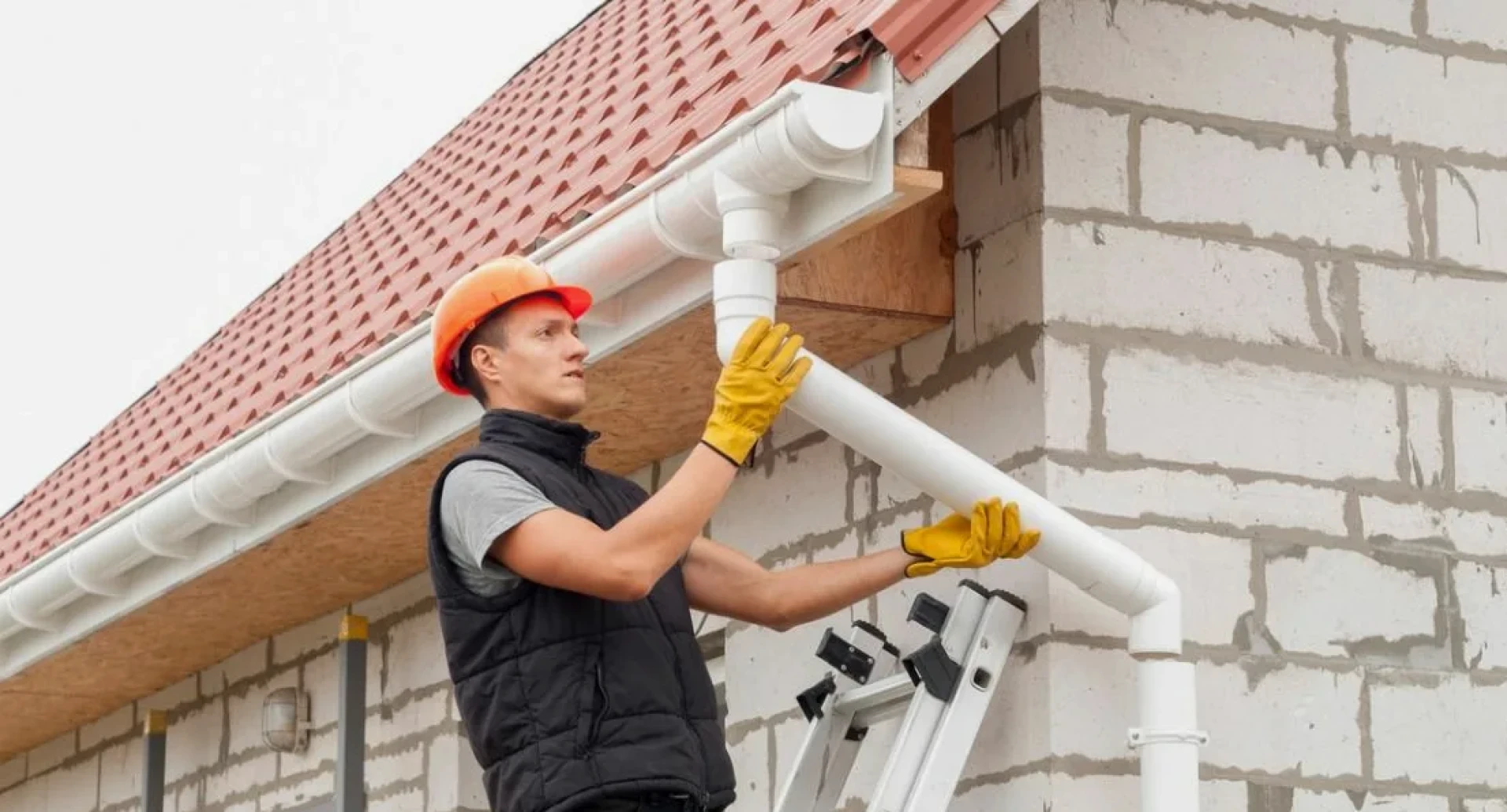

Proper drainage is crucial for protecting your home from water damage, and gutters play a key role in this. When rainwater isn't directed away from your roof and foundation, it can cause serious issues like leaks, foundation damage, and even mold growth. That’s why gutter installation is an important service every homeowner should consider.
Whether you're building a new house or replacing old gutters, installing the right gutter system can save you time, money, and stress in the long run. This blog will explain what gutter installation involves, the types of gutters available, signs that you might need a new gutter system, and why professional installation matters.
What Is Gutter Installation?
Gutter installation is the process of fitting gutters along the edges of your roof to collect and channel rainwater away from your home. Gutters work with downspouts to guide water safely away from your foundation and landscaping, preventing water damage.
Installing gutters correctly is crucial because improper placement or poor-quality materials can cause leaks, clogs, or water overflow, damaging your home’s exterior and foundation. Professional installation ensures your gutter system is secure, functional, and long-lasting.
Types of Gutters You Can Choose From
When considering gutter installation, it’s important to choose the right type of gutter that fits your home’s style and local weather. Here are some common gutter types:
- Aluminum Gutters: Lightweight, rust-resistant, and affordable. Aluminum gutters are the most popular choice for many homeowners.
- Vinyl Gutters: Easy to install and budget-friendly, but less durable over time compared to metal options.
- Steel Gutters: Strong and long-lasting, but they can rust if not properly maintained.
- Copper Gutters: Highly durable and attractive, copper gutters develop a natural patina over time but are more expensive.
Choosing the right material will depend on your budget, style preference, and the climate where you live.
Signs You Need Gutter Installation or Replacement
It’s important to know when your current gutter system isn’t working properly. Here are some signs that indicate you may need new gutters:
- Water pooling near your foundation after rain
- Gutters pulling away or sagging from the roofline
- Visible rust, cracks, or holes in the gutters
- Overflowing gutters during rainstorms
- Peeling paint or water damage on your home’s exterior walls
Ignoring these signs can lead to bigger problems like basement flooding or foundation cracks, making timely gutter installation essential.
Why Professional Gutter Installation Matters
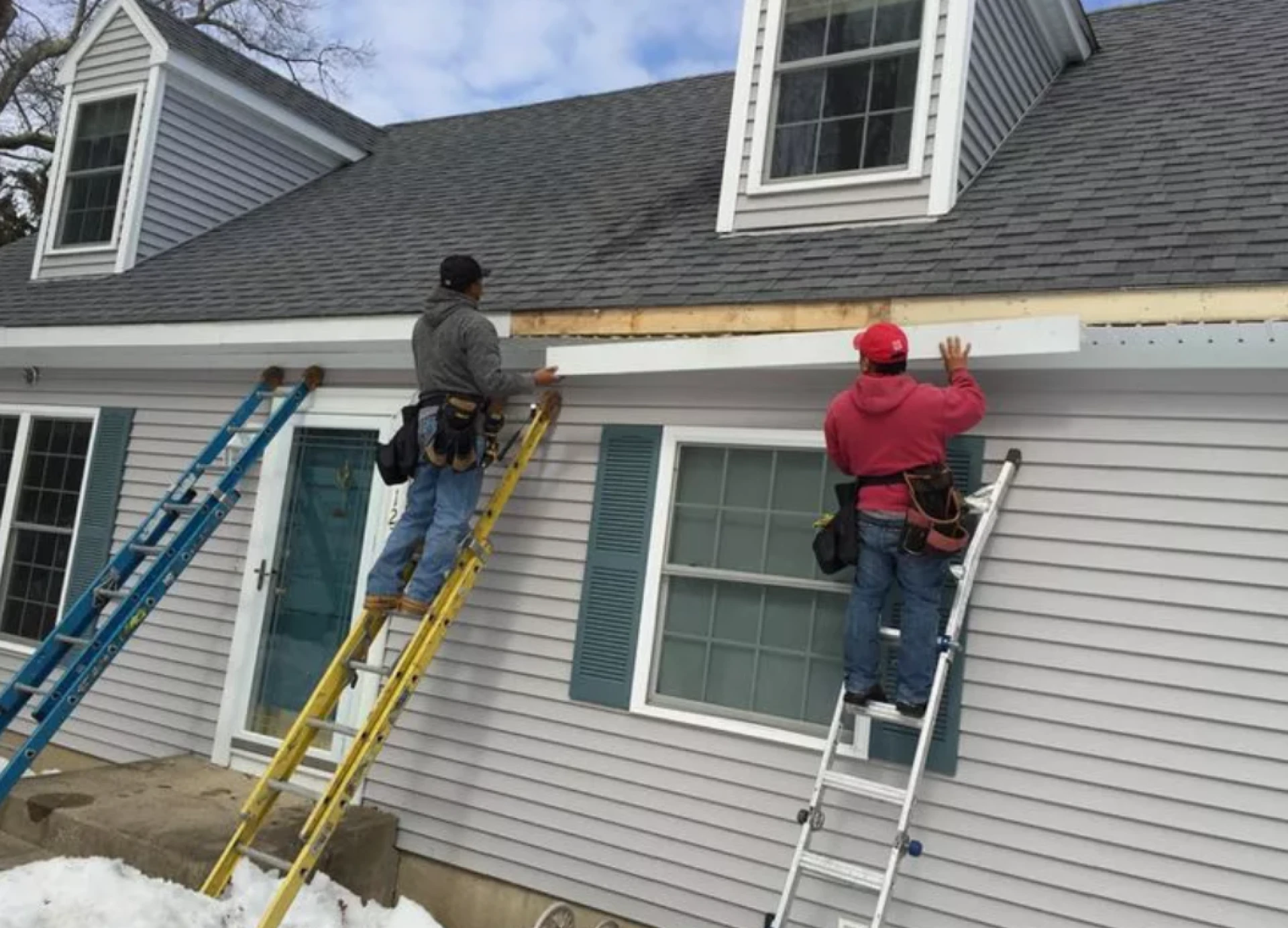
While DIY gutter installation might seem like a way to save money, professional services offer many advantages that protect your investment. Experts bring the right tools, experience, and knowledge to ensure gutters are properly measured, aligned, and securely attached.
Professionals also check for proper slope to guarantee water flows efficiently toward the downspouts, preventing standing water or leaks. Additionally, professional installation often includes warranties, giving you peace of mind knowing the work is guaranteed.
Benefits of Quality Gutter Installation
Investing in quality gutter installation can protect your home in many ways. Here are some benefits:
- Prevents water damage: Proper gutters direct rainwater away from your foundation, siding, and landscaping.
- Avoids basement flooding: Well-installed gutters reduce the risk of water pooling around your foundation.
- Protects your roof and walls: By channeling water, gutters prevent leaks and damage to roofing materials and exterior walls.
- Enhances curb appeal: New gutters improve the look of your home by providing a clean and finished edge along your roofline.
- Reduces maintenance: Properly installed gutters with guards or screens help reduce clogging and the need for frequent cleaning.
What to Expect During Gutter Installation
When you hire professionals for gutter installation, the process usually follows these steps:
- Inspection and measurement: The team inspects your roof and measures the areas where gutters will be installed.
- Material selection: You choose the type and color of gutters that suit your home and budget.
- Removal of old gutters (if needed): If you’re replacing gutters, the old ones are safely removed.
- Installation: The new gutters are cut to size, fitted along the roofline, and securely attached.
- Downspout installation: Downspouts are connected to carry water away from the foundation.
- Cleanup and final check: The installers clean up debris and check the system for leaks or drainage issues.
The entire process usually takes a few hours to a day, depending on your home’s size and the gutter system complexity.
Maintaining Your Gutters After Installation
To keep your gutters functioning well, regular maintenance is essential. Here are a few simple tips:
- Clean gutters twice a year to remove leaves and debris.
- Check for leaks or loose sections and repair them promptly.
- Inspect downspouts to ensure water flows freely.
- Consider installing gutter guards to reduce clogging.
- Trim nearby tree branches to prevent debris buildup.
Regular maintenance helps your gutter system last longer and protects your home from water damage.
Final Thoughts: Protect Your Home with Expert Gutter Installation
Gutter installation might not be the most glamorous home improvement, but it’s one of the most important. Proper gutters protect your home’s foundation, roof, walls, and landscaping from costly water damage.
If your current gutters are damaged, outdated, or simply not doing their job, professional gutter installation is a smart investment. With the right materials and expert installation, your home will stay dry and safe during rainstorms for years to come.
Frequently Asked Questions (FAQs)
Q: How long does gutter installation usually take?
A: For most homes, gutter installation can be completed within a few hours to a full day depending on the size and complexity of the system.
Q: Can I install gutters myself?
A: While possible, DIY gutter installation requires skill and proper tools. Mistakes can lead to leaks or damage, so professional installation is recommended for the best results.
Q: What is the best gutter material?
A: Aluminum gutters are the most popular due to their balance of durability, affordability, and rust resistance, but copper and steel are also good options depending on your needs.
Q: Do gutters require a lot of maintenance?
A: Regular cleaning twice a year and occasional inspections help keep gutters working well. Installing gutter guards can reduce the frequency of maintenance.
Q: How much does professional gutter installation cost?
A: Costs vary by material, home size, and complexity, but typical gutter installation ranges from $5 to $15 per linear foot.




























Sign in to leave a comment.