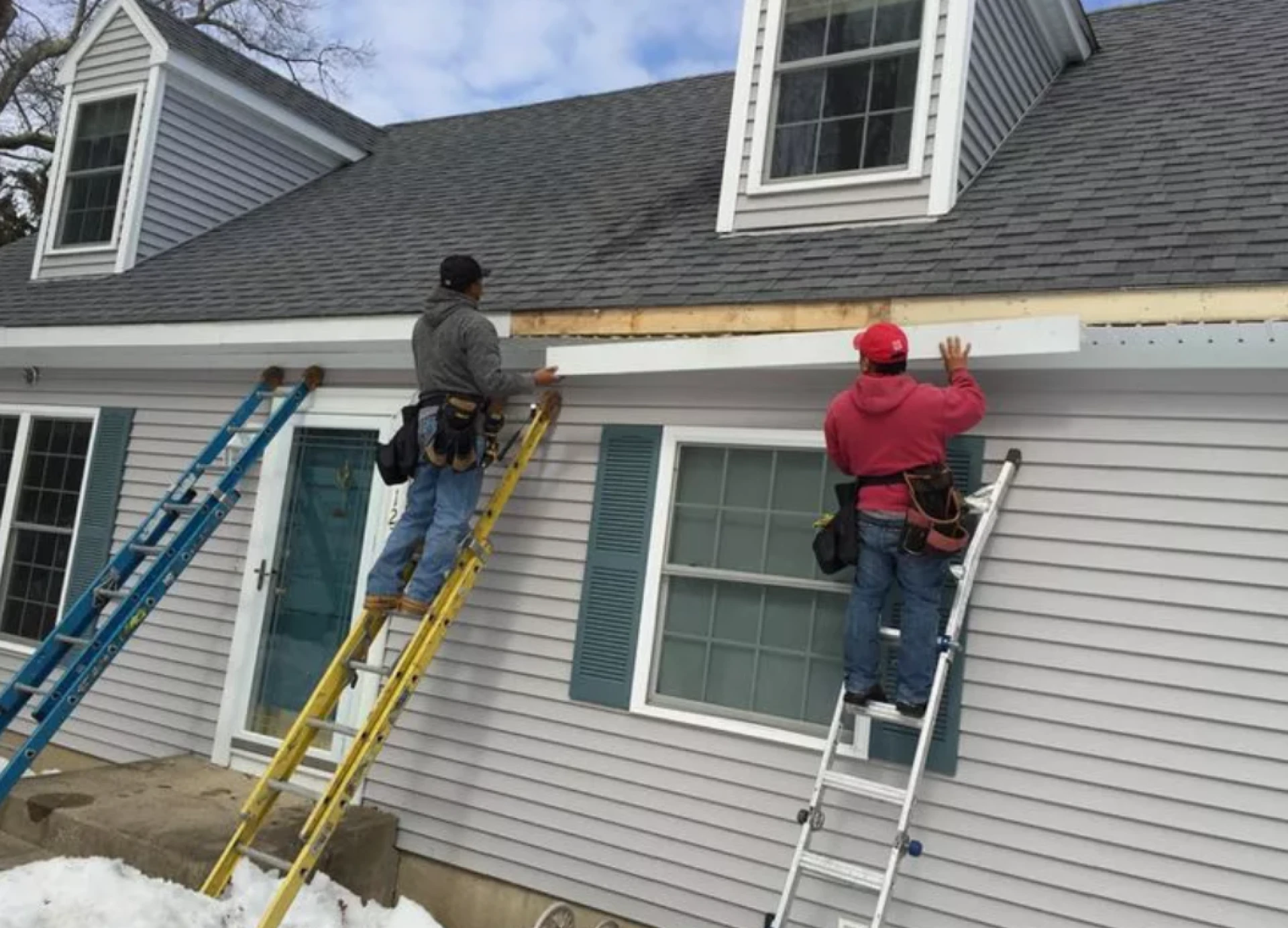

Your home’s siding acts as the first line of defense against harsh weather, insects, and daily wear. When your siding is damaged, it can affect not only your home’s look but also its structural health and energy efficiency. That’s why timely siding repair is so important for every homeowner.
If you’ve noticed cracks, holes, or discoloration in your exterior walls, it’s a good idea to learn about siding repair. This guide covers why siding maintenance matters, common signs of siding damage, easy fixes, and when to call a professional siding contractor.
Why Siding Repair Is Essential for Your Home
Siding isn’t just about curb appeal—it protects your home’s framework from moisture and pests. Damaged siding can allow water to seep into your walls, which can lead to mold growth, wood rot, and even structural damage over time. These problems can be costly to fix if left unattended.
Maintaining your siding is also part of regular exterior home maintenance. Keeping your siding in good shape improves your home’s insulation, helping reduce heating and cooling costs. It also helps maintain your home’s value and prevents the need for full home siding replacement sooner than necessary.
Common Signs of Siding Damage That Need Repair
Identifying siding damage early is the best way to avoid expensive repairs later. Here are some typical issues that indicate you need siding repair:
- Cracks or splits in siding panels: Often caused by weather changes or impact from objects.
- Loose or missing vinyl siding pieces: Strong winds and storms can cause siding panels to come loose or fall off.
- Fading or peeling paint: Prolonged sun exposure can cause paint to crack and lose its color.
- Warping or buckling siding: Usually due to trapped moisture or poor installation.
- Mold, mildew, or algae growth: Moisture trapped behind siding can lead to fungal growth.
These signs suggest that your siding needs prompt attention to prevent further damage.
DIY Siding Repair Tips for Small Damages
For minor siding damage, homeowners can often handle simple repairs themselves. Some common DIY fixes include:
- Patching cracks and holes: Clean the damaged area and apply exterior caulk or a siding patch.
- Replacing damaged panels: Carefully remove broken or warped siding panels and install new ones that match your existing siding.
- Repainting faded areas: Lightly sand the surface and use exterior-grade paint to restore color and protection.
Always follow safety precautions when working on your home exterior and use products suitable for your siding type, whether it’s vinyl, wood, or fiber cement.
When to Hire a Professional Siding Contractor
Sometimes, siding damage is too extensive or complicated for a DIY fix. In such cases, calling a professional siding contractor is the best choice.
Professionals can handle:
- Large areas of siding damage or water infiltration
- Hidden rot or mold behind siding panels
- Repairs for specialized siding materials like fiber cement or stucco
- Matching new siding panels to your existing color and texture
An expert siding inspection can help you understand the full extent of the damage and whether repair or replacement is needed. Professionals also ensure that repairs comply with local building codes and manufacturer guidelines.
How to Maintain Your Siding and Prevent Frequent Repairs
Good maintenance habits are key to avoiding frequent siding repairs. Here are some tips to keep your siding in great condition:
- Inspect your siding regularly for cracks, loose panels, or signs of moisture.
- Clean siding at least twice a year with a soft brush and mild detergent to remove dirt and mildew.
- Trim back tree branches and bushes to avoid scratches and excess moisture.
- Check and reseal caulking around windows, doors, and corners.
- Ensure gutters and downspouts are working well to prevent water from spilling onto siding.
Routine maintenance not only prolongs the life of your siding but also saves money by preventing costly damage down the road.
Frequently Asked Questions (FAQs)
Q: How do I know if my siding needs repair or replacement?
A: If your siding has small cracks, loose panels, or minor damage, repair is often enough. But if damage covers large areas, or if there is hidden water damage or rot, you might need siding replacement. A professional inspection can help clarify.
Q: Can I do siding repair myself, or should I hire a contractor?
A: Small repairs like filling cracks or replacing a few panels can often be DIY projects. However, extensive damage or complex siding materials usually require a professional siding contractor for a safe and lasting fix.
Q: How much does siding repair usually cost?
A: Costs vary based on the extent of damage, material type, and labor. Minor repairs might cost a few hundred dollars, while larger projects could be more expensive. Getting multiple quotes is recommended.
Q: How often should I inspect my siding?
A: It’s a good idea to inspect your siding at least twice a year, ideally in spring and fall, and after major storms or severe weather events.
Q: Will repairing siding improve my home’s energy efficiency?
A: Yes, fixing damaged siding helps maintain proper insulation and prevents drafts, which can lower heating and cooling costs.
Conclusion: Protect Your Home with Timely Siding Repair
Your home’s exterior is a vital part of its structure and beauty. Timely siding repair helps protect your investment, maintain energy efficiency, and keep your home looking fresh.
Whether you choose to do small repairs yourself or hire a professional siding contractor, regular siding inspection and maintenance are crucial. Don’t ignore signs of damage—address them promptly to avoid bigger issues and costly home siding replacement.
If you’re unsure about your siding’s condition or need expert help, contacting a local professional can provide peace of mind and quality results.



























Sign in to leave a comment.