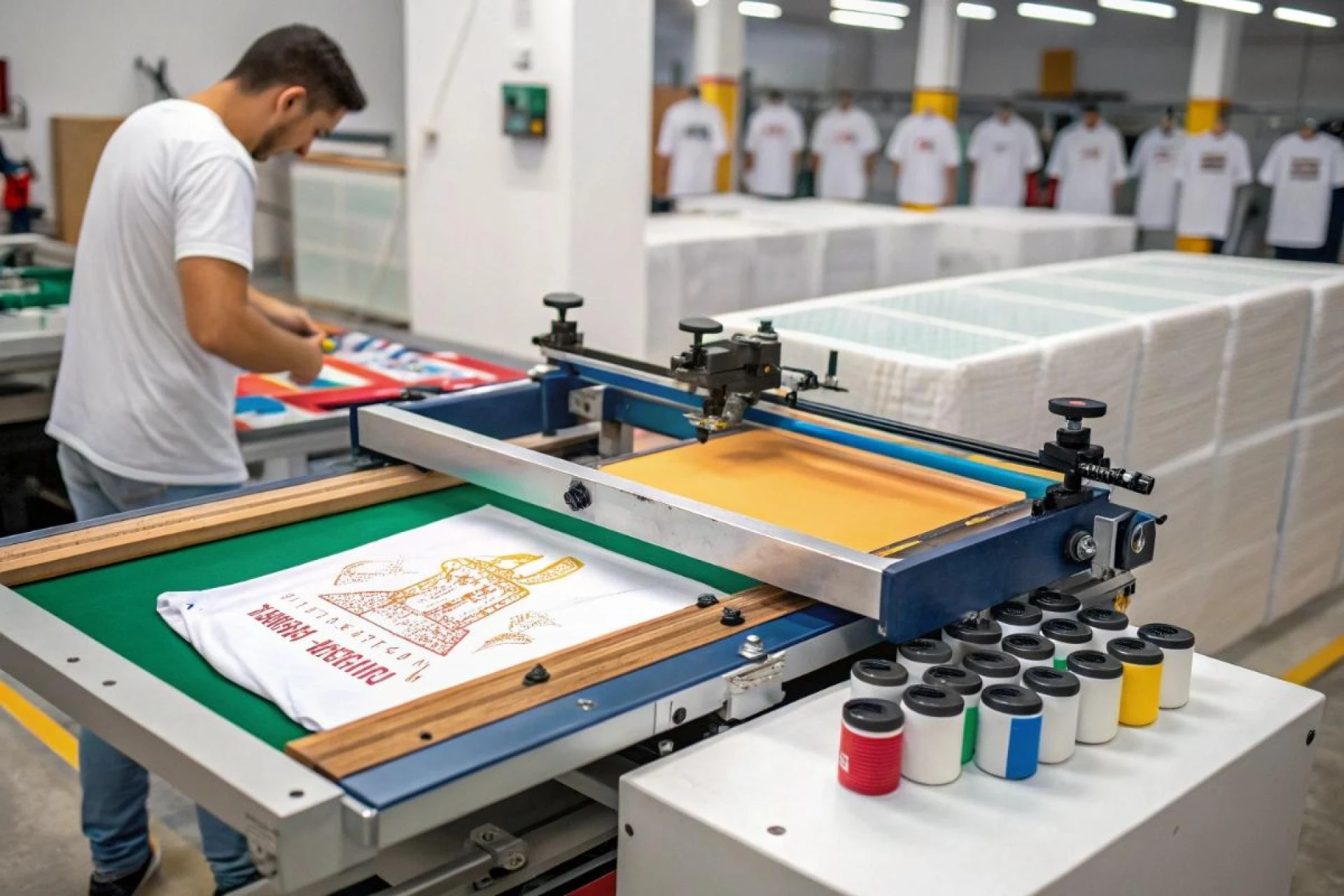

Screen printing is one of the most popular and versatile methods for creating high-quality designs on T-shirts. Whether it is for personal projects, promotional events, school or college activities, corporate branding, or fashion lines, screen printing provides vibrant colors, long-lasting prints, and a professional finish that other methods cannot easily achieve. One of the first steps to ensure a successful screen printing project is selecting the right fabric and sourcing T-shirts from a reliable T-shirt manufacturer in Chennai. This guarantees that the fabric quality, stitching, and overall durability are suitable for printing, which is especially important when creating multiple shirts for an event or a business line.
The fabric type, weight, and weave play a crucial role in how well the ink adheres to the T-shirt. Cotton T-shirts, for instance, are highly absorbent and allow the ink to stay bright and sharp for longer periods, while some cotton-blend fabrics require special inks or pretreatment to get the best results. Using high-quality T-shirts from a trusted manufacturer makes the printing process smoother and ensures a polished, professional outcome that customers or recipients will love.
Understanding Screen Printing
Screen printing, also known as silk-screen printing, is a printing technique where ink is transferred onto fabric through a mesh stencil. Each color in a design requires a separate screen, and the ink is applied using a tool called a squeegee. This method is highly valued for producing bold, durable designs that can withstand multiple washes without fading or cracking. It is suitable for both small-scale projects, like personal gifts or school events, and large-scale production, such as business merchandise or promotional T-shirts.
The process begins with creating a design digitally. High-resolution designs with sharp edges, precise colors, and proper sizing are essential for achieving professional results. Once the design is finalized, screens are prepared by coating them with light-sensitive emulsion and exposing them to a light source through the artwork. The light hardens the emulsion, while the unexposed areas are washed away, leaving a stencil through which ink can pass.
Materials and Tools Needed
To successfully create screen-printed T-shirts, several tools and materials are essential:
- Screens – Frames with a fine mesh stretched across them. The mesh count affects the level of detail in the design.
- Squeegees – Rubber blades used to evenly push ink through the screen onto the fabric
- Inks – Plastisol, water-based, and discharge inks are commonly used. Each ink type has a different texture, finish, and durability.
- Emulsion and Chemicals – Necessary for creating stencils on the screens.
- Drying Equipment – Heat presses, conveyor dryers, or flash dryers are used to cure the ink, making it permanent and durable.
Having the right tools not only makes the process easier but also ensures the quality of the final print. Using low-quality tools or skipping steps can result in faded designs, misalignment, or uneven prints.
Step-by-Step Screen Printing Process
1. Design Preparation
Start by creating or refining the digital design. For multi-color prints, each color needs a separate layer, which will later require its own screen. Careful attention to color separation and sizing ensures the final print looks professional and visually appealing.
2. Screen Preparation
Coat the screens with light-sensitive emulsion and allow them to dry in a dark room. Place the design on a transparent sheet over the screen and expose it to light. The light hardens the emulsion in the areas that are not part of the design. Washing the screen afterward removes the unhardened emulsion, leaving a clean stencil ready for printing.
3. Ink Application
Lay the T-shirt flat on a printing surface or platen. Place the prepared screen on top and use a squeegee to push ink evenly through the stencil. For multi-color designs, repeat the process for each screen, allowing the ink to dry between layers to prevent smudging or bleeding.
4. Curing the Ink
Curing is a critical step to ensure the ink sets properly and does not wash out or crack. Use a conveyor dryer, heat press, or flash dryer to heat the printed T-shirt to the recommended temperature, depending on the type of ink used. Proper curing guarantees long-lasting results.
5. Quality Check
Once printed, examine the T-shirts for alignment, color accuracy, and consistency. Minor adjustments in technique may be required before moving on to larger production runs.
Advantages of Screen Printing
Screen printing offers several advantages that make it one of the most trusted printing methods:
- Durability – Screen-printed designs are strong and long-lasting, surviving multiple washes without losing quality.
- Vivid Colors – The thick ink used in screen printing creates bold and bright prints that stand out on any fabric.
- Versatility – Works well on various fabrics, including cotton, blends, and even darker materials.
- Cost-Effective for Bulk Orders – After screens are prepared, printing in large quantities becomes faster and more economical.
Choosing the Right T-Shirts
The choice of T-shirt significantly affects the printing quality. Cotton T-shirts are preferred for their smooth surface and excellent ink absorption, resulting in sharp, vibrant designs. Blends and specialty fabrics may require different inks or pre-treatment processes to achieve optimal results. For businesses, events, or personalized gifts, customised T-shirts Chennai offer a convenient solution. These T-shirts are pre-selected for quality, color options, sizes, and fabric type, making them perfect for creating professional and consistent designs.
Common Challenges and Tips
Screen printing can present a few challenges, especially for beginners:
- Ink Bleeding – Can happen if the ink is too thin or the fabric is too porous. Choosing the right ink and mesh count prevents this.
- Misaligned Colors – Multi-color designs require precise registration. Practicing alignment ensures accurate results.
- Cracking Ink – Caused by improper curing or using too much ink. Maintaining correct heat and ink volume resolves this issue.
- Screen Wear – Screens deteriorate over time, especially with thick inks. Regular cleaning extends screen life and ensures consistent prints.
Tips for success: Always test a sample before mass printing, invest in quality inks and equipment, clean screens thoroughly after use, and consider fabric type when planning designs.
Business Applications
Screen printing is widely used for promotional merchandise, business uniforms, fashion lines, and events. Partnering with experienced printers ensures professional results, timely delivery, and access to a wide variety of T-shirt options. Bulk printing becomes cost-effective, and high-quality designs create a lasting impression for brands and businesses.
Conclusion
Screen printing is a timeless method for producing high-quality, long-lasting T-shirts. With proper preparation, attention to fabric quality, and careful technique, anyone can create vibrant and professional prints. Whether it’s for personal projects, promotional use, or fashion merchandise, screen printing is a creative, efficient, and reliable solution that brings designs to life.





























Sign in to leave a comment.