
Construction projects are complex undertakings that involve multiple phases, numerous stakeholders, and a wide array of tasks that need to be meticulously coordinated. An effective construction schedule is essential to ensure that all elements of a project are completed on time, within budget, and to the required quality standards. This article explores the key components of project construction scheduling, its importance, and the techniques used to create and manage an efficient construction timeline.
Importance of Construction Scheduling
Construction scheduling is the backbone of any successful project. It serves as a roadmap that outlines the sequence of activities, allocates resources, and sets deadlines. A well-structured schedule helps project managers identify critical paths, mitigate risks, and make informed decisions. It also facilitates communication among stakeholders by providing a clear timeline of what needs to be done and when. This transparency helps avoid misunderstandings and ensures that everyone involved in the project is on the same page.
A detailed construction schedule also plays a crucial role in managing resources efficiently. By outlining the specific needs for labor, equipment, and materials at different stages, the schedule helps in optimizing resource allocation and reducing waste. This leads to cost savings and enhances overall project efficiency.
Key Components of Construction Scheduling
Scope Definition: Before creating a schedule, it is essential to have a clear understanding of the project scope. This involves defining the project objectives, deliverables, and milestones. A well-defined scope helps in identifying the tasks required to complete the project and sets the foundation for an accurate schedule.
Task Identification and Sequencing: Once the scope is defined, the next step is to break down the project into smaller tasks. These tasks should be detailed enough to provide a clear understanding of what needs to be done. Task sequencing involves arranging these tasks in a logical order, taking into consideration dependencies and constraints. This step is crucial for identifying the critical path, which is the sequence of tasks that determines the project\'s overall duration.
Resource Allocation: Allocating resources efficiently is vital for maintaining the schedule. This includes assigning the right personnel, equipment, and materials to each task. Resource leveling techniques can be used to balance demand and supply, ensuring that resources are not over-allocated at any point in time.
Time Estimation: Estimating the duration of each task is essential for creating a realistic schedule. This involves considering factors such as the complexity of the task, availability of resources, and potential risks. Techniques such as the Program Evaluation and Review Technique (PERT) or the Critical Path Method (CPM) can be used to improve the accuracy of time estimates.
Risk Management: Identifying potential risks and developing mitigation strategies is an integral part of construction scheduling. This involves analyzing factors that could impact the schedule, such as weather conditions, regulatory changes, or supply chain disruptions. Incorporating contingency plans within the schedule helps in minimizing the impact of these risks.
Techniques for Construction Scheduling
Several techniques can be employed to create and manage construction schedules effectively:
Gantt Charts
Gantt charts are a popular tool for visualizing the project timeline. They provide a graphical representation of tasks, their durations, and dependencies. Gantt charts are easy to understand and help in tracking progress throughout the project lifecycle.
Critical Path Method (CPM)
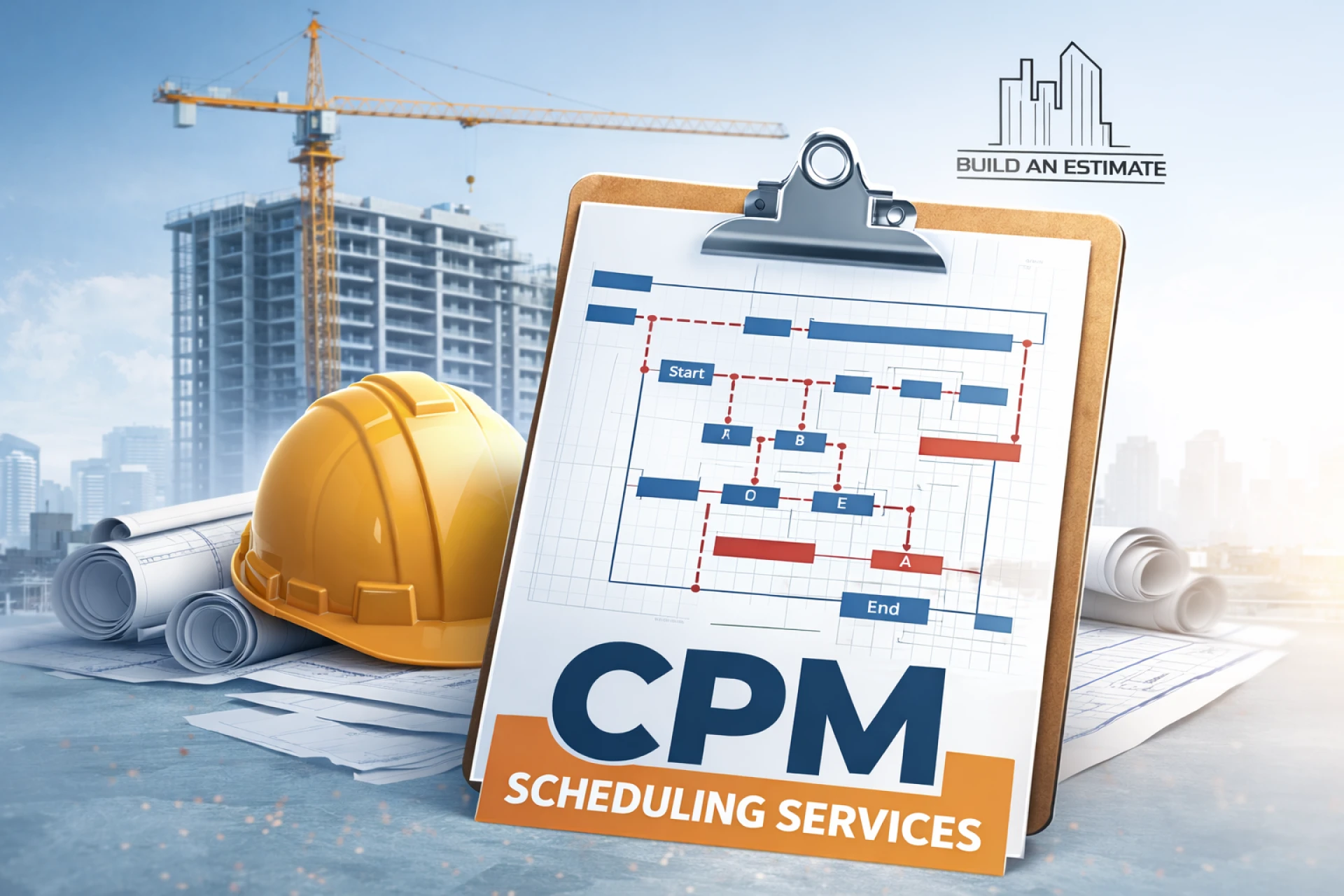
The Critical Path Method is a scheduling technique that identifies the longest sequence of dependent tasks. By focusing on these critical tasks, project managers can determine the shortest possible project duration and allocate resources accordingly.
Program Evaluation and Review Technique (PERT)
PERT is a statistical tool used to analyze and represent the tasks involved in a project. It incorporates uncertainty by using optimistic, pessimistic, and most likely time estimates, providing a range of possible completion times for each task.
Last Planner System (LPS)
The Last Planner System is a collaborative scheduling approach that emphasizes communication and coordination among project participants. It focuses on short-term planning and encourages teams to make commitments to specific tasks, enhancing reliability and accountability.
For More Info:-

Sign in to leave a comment.