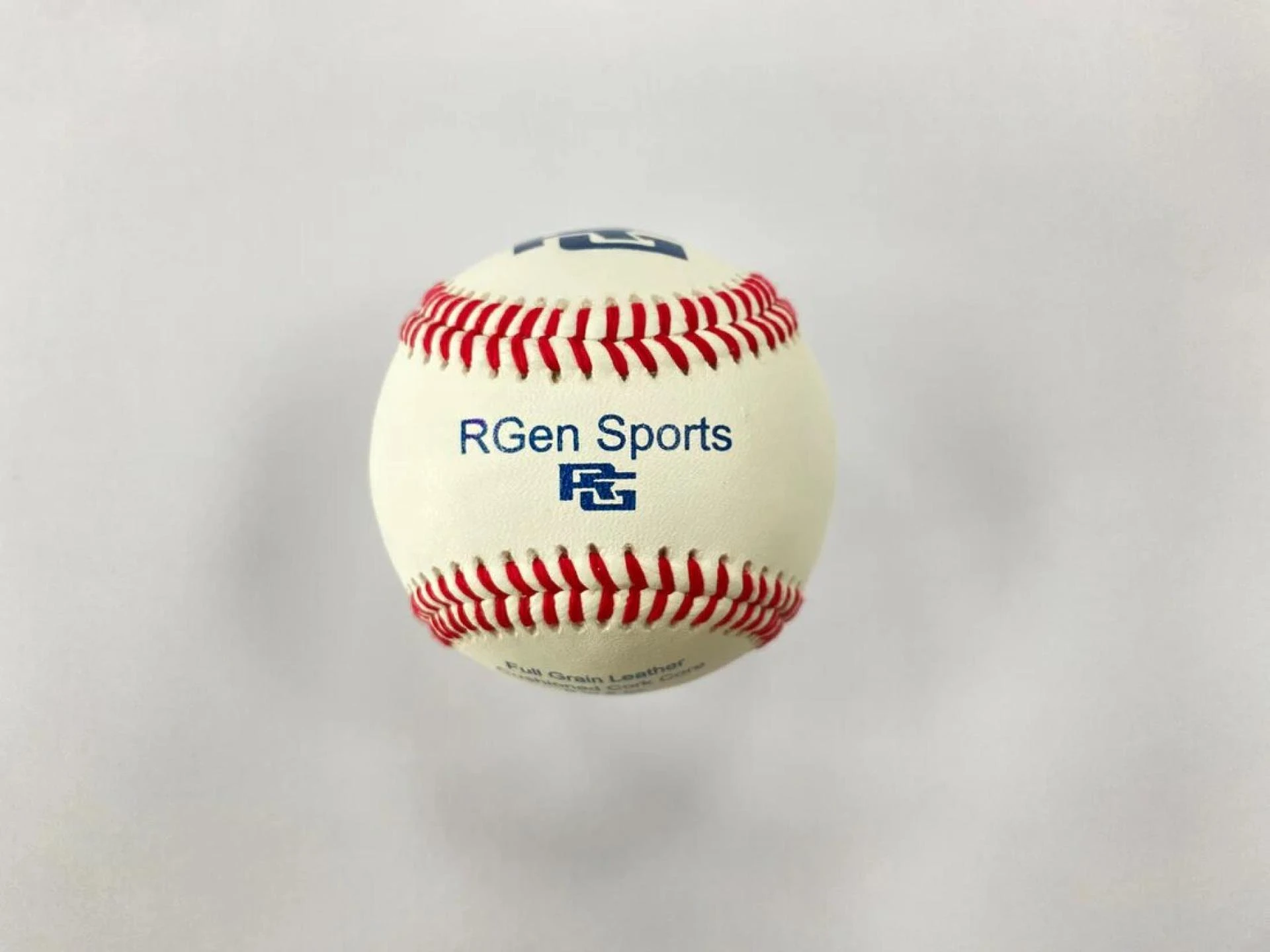

Baseball is an exciting and competitive sport that demands agility, strategy, and precision. However, with the intensity of the game, player safety becomes crucial. One of the most important ways to protect yourself on the field is through the use of high-quality protective baseball equipment. From headgear to protective cups, wearing the right gear can significantly reduce the risk of injury. In this article, we will explore the various types of protective Baseball Equipment and how each piece plays a role in keeping players safe during the game.
The Importance of Protective Baseball Equipment
Baseball is often regarded as a contact sport due to the high-speed pitches, flying baseballs, and potential collisions. Protective equipment is not just a suggestion; it's a necessity. Whether you're a seasoned player or a newcomer to the game, your safety on the field should always come first. Using the right protective gear helps minimize injuries, ensuring that players can enjoy the game with peace of mind.
Helmets: Protecting Your Head from Impact
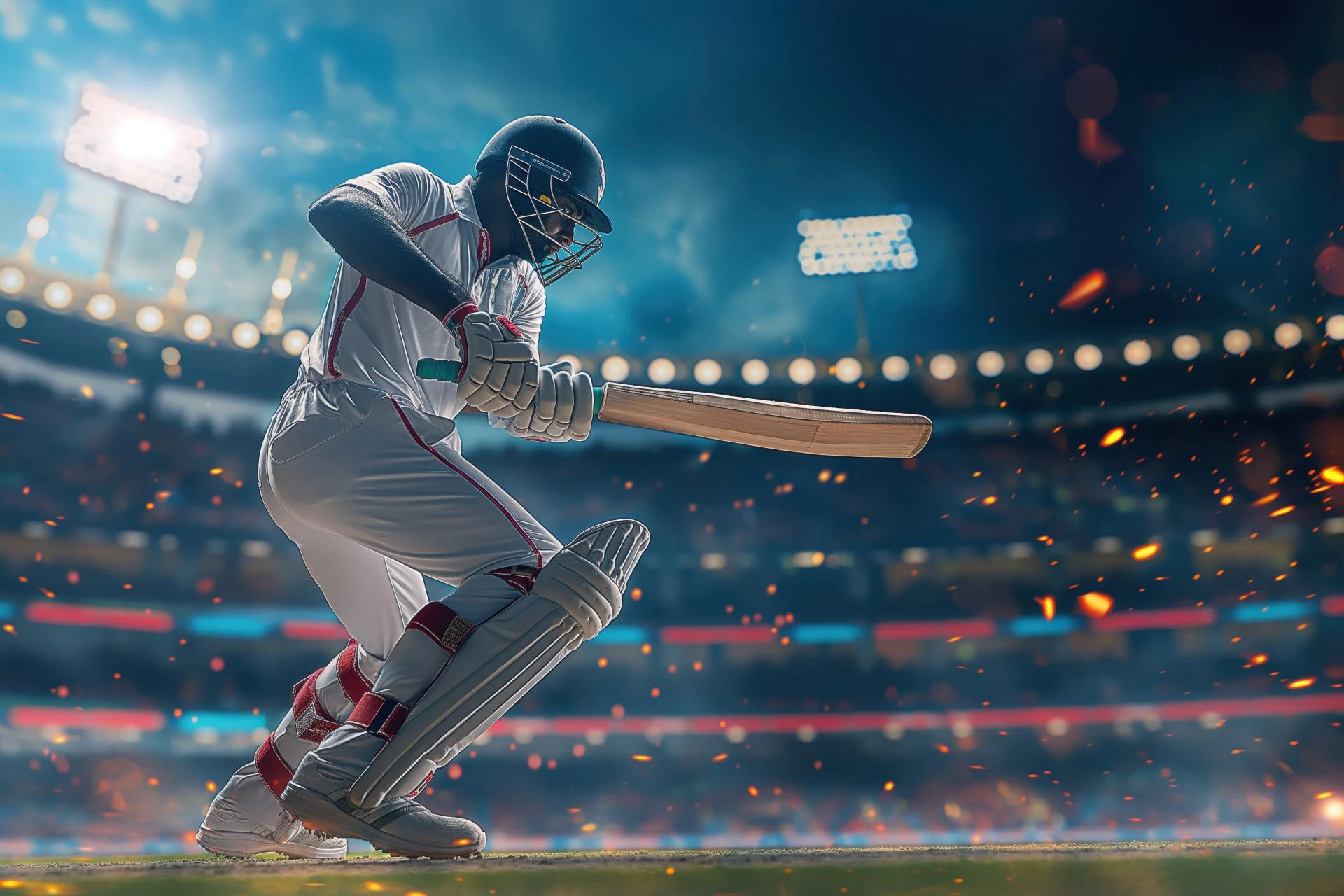
One of the most crucial pieces of protective equipment in baseball is the helmet. Whether you’re standing at bat or running the bases, the risk of getting hit by a fast-pitched ball or a stray throw is always present. A properly fitted helmet can protect your head from severe injuries, such as concussions or skull fractures. Today’s helmets are designed with advanced technology, such as impact-absorbing foam and faceguards, to offer maximum protection.
Face Guards: Extra Protection for Batters
While helmets provide essential protection, additional face guards offer extra coverage for batters. Face guards are designed to shield the face, jaw, and teeth from potential injuries caused by high-speed pitches. With the increased velocity of modern baseball, a face guard can be a game-changer, preventing facial fractures, lost teeth, or severe bruising. Many professional players now opt for helmets with faceguards, a feature that has become standard in youth leagues as well.
Catcher’s Gear: Safeguarding the Most Vulnerable Position
The catcher is undoubtedly one of the most vulnerable players on the field. Constantly exposed to foul tips, wild pitches, and fast-paced action, catchers require specialized protective gear. A catcher's helmet or mask is designed to absorb the impact of high-speed balls. Additionally, chest protectors and throat guards are essential to protect against direct hits that could result in serious injury. Throat protectors, in particular, can prevent damage to the windpipe, an area that is often overlooked in safety gear discussions.
Protective Cups: Preventing Groin Injuries
For both male and female players, protecting the groin area is essential. Groin injuries can be painful and debilitating, often requiring long recovery times. A protective cup is a must-have for male players, especially for those playing positions like catcher, batter, or pitcher. A well-fitted cup prevents direct hits to the sensitive area, offering peace of mind during a high-intensity game. Female players can also benefit from protective gear designed specifically for their anatomy, ensuring full protection and comfort.
Elbow and Knee Guards: Defense Against Abrasions and Strikes
Sliding into bases, diving for catches, or being hit by a pitched ball are all risks that players take on the field. Elbow and knee guards provide additional protection to minimize the damage caused by these types of impacts. These guards are typically made of lightweight yet durable materials such as foam or plastic and are designed to absorb the shock from falls or strikes. Elbow guards can help prevent bruising or breaks, while knee guards protect against abrasions when players slide.
Shin Guards: Protecting the Lower Legs
Shin guards are particularly useful for catchers and batters, who are at a higher risk of getting hit in the lower legs. A pitched ball to the shin can cause bruising, bone fractures, or more severe injuries. Shin guards are designed to protect the shins and knees from such impacts. When properly worn, they ensure that players can focus on their game without worrying about painful injuries from foul balls or wild pitches.
Baseball Gloves: Not Just for Catching
While Baseball Equipment gloves are mainly used for catching the ball, they also provide a degree of protection. For players in the outfield or those playing first base, gloves offer a layer of defense against the force of incoming balls. However, gloves can also reduce the risk of hand and wrist injuries by preventing direct impacts. Specialized gloves, such as those worn by first basemen, offer added protection to the fingers and wrists, minimizing the risk of sprains or fractures.
Footwear: Keeping Your Feet Safe and Agile
Baseball requires a lot of running, whether it's sprinting to first base, tracking a fly ball, or sliding into a base. Proper footwear, such as cleats, is vital to prevent slips, falls, and injuries while providing support during quick movements. Cleats with spikes provide grip on the field, reducing the chances of slipping. Additionally, good quality baseball shoes offer ankle support, preventing sprains and providing comfort throughout the game.
Arm and Elbow Sleeves: Adding Protection for Pitchers
Pitchers are one of the most vulnerable players when it comes to arm injuries. Overuse and stress can lead to elbow strains, shoulder issues, or ligament tears. To avoid these types of injuries, pitchers often use specialized arm and elbow sleeves. These sleeves provide compression, which helps in reducing muscle fatigue and preventing injuries caused by overextension. They also offer protection to the elbow from direct hits, ensuring a longer, healthier career for pitchers.
The Role of the Umpire’s Protective Gear
Umpires are also exposed to various risks during a baseball game. They may not be involved in the direct action of hitting or fielding, but they often stand close to the action and can be struck by errant balls or bat swings. Umpires wear protective gear similar to the catcher, including masks, throat protectors, chest protectors, and shin guards. This gear ensures that they are shielded from high-speed balls and other potential injuries while they perform their crucial role on the field.
Choosing the Right Protective Equipment for Your Needs
With so many options available, it can be difficult to know where to start when choosing protective equipment. The key is to choose gear that fits properly, is made from durable materials, and offers maximum protection for your specific needs. For example, a batter needs a helmet with a faceguard, while a catcher needs a full set of gear, including a throat guard. It's essential to understand the specific demands of your position and invest in the right protective equipment that suits your playing style.
Maintenance of Protective Equipment
Taking care of your protective baseball equipment is just as important as wearing it. Regular cleaning and maintenance can prolong the life of your gear and ensure it continues to provide the necessary protection. Baseball helmets, for instance, should be cleaned after every game to remove dirt and debris. Chest protectors and catcher's gear should be checked for wear and tear, ensuring that there are no cracks or weakened areas that could compromise safety.
Conclusion: Prioritize Safety and Enjoy the Game
In conclusion, protective baseball equipment is essential for player safety. The right gear can make the difference between staying in the game and facing a potentially serious injury. Whether you're a professional player or just starting, make sure you're properly equipped to face the challenges of the game. Always prioritize your safety by investing in high-quality gear that suits your needs, maintaining it regularly, and understanding its importance. With the right protective equipment, you can focus on playing your best while staying safe on the field.






















Sign in to leave a comment.