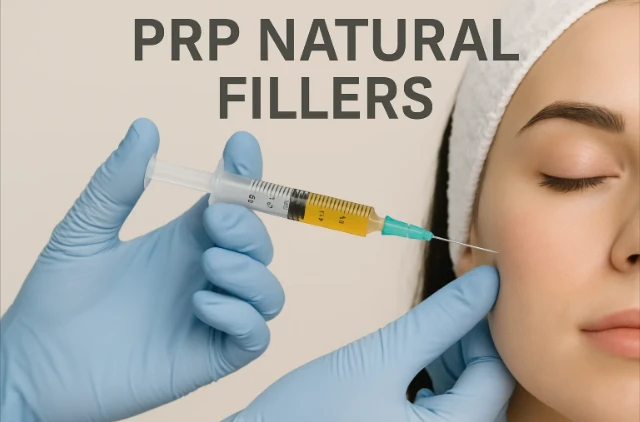

You have likely heard whispers about the latest advancement in aesthetic medicine, a treatment favored by celebrities for its natural and rejuvenating results. This innovative procedure is moving from the red carpet into the mainstream, offering everyone a chance to achieve a radiant, youthful complexion. We are talking about Platelet Rich Plasma, or PRP, fillers. This approach uses your body's own healing power to restore volume and smooth skin, creating a subtle, natural glow.
This guide will explore the world of PRP fillers. We will cover what they are, how they work, and why they are becoming a popular alternative to traditional dermal fillers. You will learn about the benefits, the process, and what to expect, helping you decide if this treatment is right for your aesthetic goals.
What Are PRP Fillers?
PRP fillers represent a groundbreaking approach to facial rejuvenation. Unlike synthetic dermal fillers that introduce a foreign substance to add volume, PRP fillers utilize a concentration of platelets from your own blood. These platelets are the body’s first responders to injury, packed with growth factors that stimulate healing, cell growth, and tissue regeneration.
The process begins with a simple blood draw, similar to a routine lab test. This blood is then placed in a centrifuge, a machine that spins at high speed to separate the components. The spinning process isolates the platelet rich plasma from the red and white blood cells. This golden, platelet dense plasma is then carefully collected. It can be transformed into a natural gel like filler, often called a "Bio Filler," which is then injected into specific areas of the face to restore lost volume, smooth wrinkles, and improve skin texture.
This method is entirely autologous, meaning it comes from your own body. This significantly reduces the risk of allergic reactions or rejection that can sometimes occur with synthetic materials. It is a natural way to enhance your features and turn back the clock on aging.
The Science Behind the Glow: How PRP Works
The magic of a PRP treatment lies in its powerful growth factors. When the concentrated platelet rich plasma is injected back into your skin, it triggers a cascade of natural biological responses. These growth factors send signals to your cells, essentially telling them to start repairing and regenerating.
Here is a closer look at what happens beneath the surface:
- Collagen and Elastin Production: Growth factors stimulate fibroblasts, the cells responsible for producing collagen and elastin. Collagen provides structure and firmness to your skin, while elastin gives it flexibility. As we age, production of both decreases, leading to wrinkles and sagging. PRP helps to restart this production line, resulting in firmer, smoother skin over time.
- New Blood Vessel Formation: PRP promotes angiogenesis, the formation of new blood vessels. Improved blood flow brings more oxygen and nutrients to the skin cells, enhancing skin health and giving you that vibrant, healthy glow.
- Tissue Regeneration: The growth factors encourage the repair and creation of new tissue. When used as a filler, the plasma not only provides immediate volume but also stimulates your body to build its own new tissue in the treated area, leading to longer lasting and more natural results.
Essentially, PRP does not just fill a space; it rebuilds the skin from within. This regenerative process is what sets it apart from other cosmetic injectables.
PRP Fillers vs. Traditional Dermal Fillers
While traditional dermal fillers, typically made from hyaluronic acid, are effective for adding volume and smoothing lines, PRP fillers offer a different set of advantages. Understanding the distinction can help you choose the best option for your needs.
Traditional Fillers:
- Mechanism: These are gel like substances that are injected to physically fill in wrinkles or add volume to areas like the cheeks and lips.
- Results: The effects are immediate.
- Composition: Made from synthetic or naturally derived materials like hyaluronic acid.
- Longevity: Results typically last from six months to two years, depending on the product used.
PRP Fillers:
- Mechanism: They use your own plasma to provide some immediate volume while stimulating your body's natural collagen production and tissue regeneration for long term improvement.
- Results: Initial volume is visible, but the full regenerative effects develop over several weeks to months as new collagen is formed.
- Composition: 100% natural, derived from your own blood.
- Benefit: In addition to volume, PRP improves overall skin tone, texture, and health. The risk of an allergic reaction is virtually nonexistent.
For many people, the choice comes down to personal philosophy. If you prefer a treatment that works in harmony with your body’s natural processes to create gradual, lasting improvements, a PRP treatment could be the ideal solution. It is a powerful tool for anyone seeking subtle enhancement rather than a dramatic change.
What to Expect During a PRP Filler Procedure
Deciding to pursue a cosmetic treatment can feel daunting, but the process for PRP fillers is straightforward and minimally invasive. Knowing the steps involved can help you feel more comfortable and prepared.
- Consultation: Your journey will begin with a consultation at a reputable practice. This is a crucial step where you can discuss your aesthetic goals, and a provider can assess your skin to determine if you are a good candidate.
- Blood Draw: On the day of your treatment, a small amount of blood will be drawn from your arm, just like a standard blood test.
- Centrifugation: The vial of blood is placed into a centrifuge. The machine spins for about 10 to 15 minutes to separate the platelet rich plasma.
- Preparation: While the blood is spinning, your skin will be cleansed, and a topical numbing cream may be applied to the treatment area to ensure your comfort. The provider will then prepare the extracted PRP for injection.
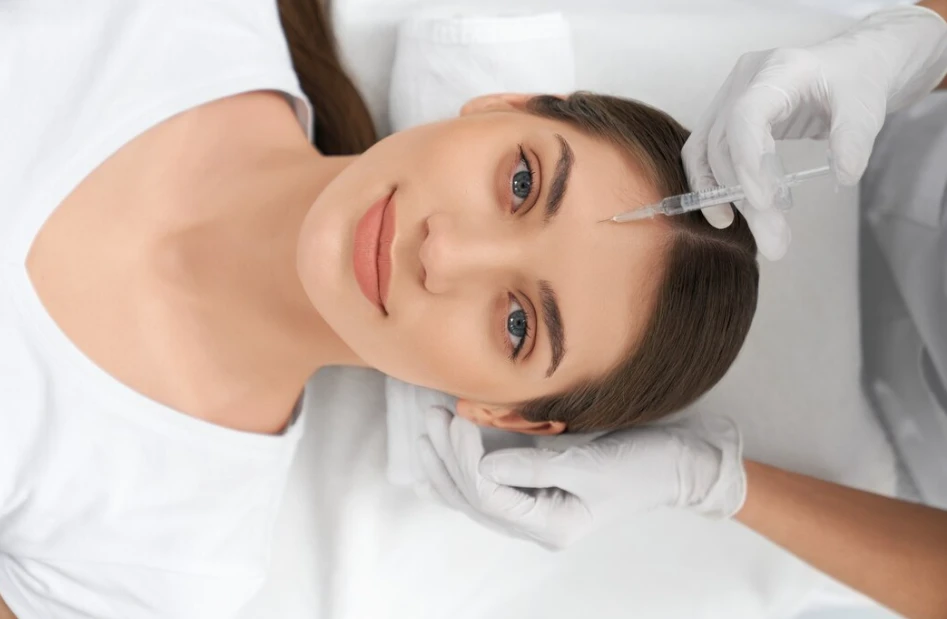
- Injection: Using a fine needle, the provider will strategically inject the PRP filler into the targeted areas. This could include the under eye area to reduce hollows, the nasolabial folds to soften smile lines, or the cheeks to restore youthful volume.
- Aftercare: The entire process typically takes about an hour. There is minimal downtime, and most people can return to their daily activities immediately. You might experience some mild redness, swelling, or bruising at the injection sites, but this usually subsides within a few days.
Following the aftercare instructions provided by your practitioner is key to achieving the best possible results.
Finding a Qualified Provider
The success of any cosmetic procedure, including PRP fillers, depends heavily on the skill and experience of the provider. It is vital to choose a professional who is trained and certified in performing these treatments. When searching for a med spa look for clinics with a strong reputation, positive patient reviews, and a portfolio of before and after photos.
During your consultation, do not hesitate to ask about their qualifications, their experience with PRP, and the specific technology they use. A trustworthy skin care clinic near you will prioritize patient safety and satisfaction, ensuring you receive a treatment tailored to your unique facial structure and goals.
PRP fillers offer a sophisticated, natural way to rejuvenate your appearance. By harnessing the regenerative power within your own body, this treatment can restore volume, improve skin texture, and give you a luminous glow that looks and feels completely you. It’s no longer a secret reserved for the rich and famous; it’s an accessible path to graceful aging for everyone.


























Sign in to leave a comment.