
Your skin often sends you signals. Redness, dryness, and irritation are not just random occurrences; they are messages. Frequently, these signals point to a compromised skin barrier. Understanding this vital part of your skin is the first step toward achieving a truly healthy and resilient complexion. Think of it as the gatekeeper to your overall skin health. When it is strong, your skin looks and feels its best. When it is weak, problems arise.
This guide will explain everything you need to know about your skin barrier. We will explore what it is, what harms it, and, most importantly, how to repair and protect it for the long term. You will learn actionable steps and discover which ingredients can restore balance, leaving you with calm, clear, and radiant skin.
What Is the Skin Barrier?
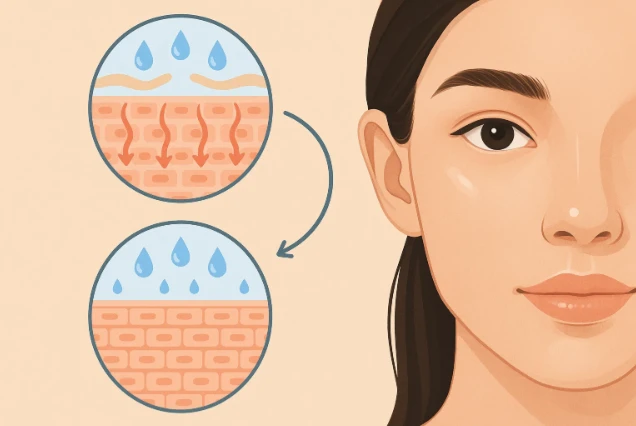
The skin barrier, known scientifically as the stratum corneum, is the outermost layer of your skin. It is your body’s first line of defense against the outside world. To understand its structure, picture a brick and mortar wall.
- The Bricks: These are your skin cells, called corneocytes. They are tough, protective cells filled with keratin and natural moisturizers.
- The Mortar: This is the lipid matrix that holds the cells together. It is composed of ceramides, cholesterol, and fatty acids. This mortar is crucial because it prevents water from escaping your skin and stops pollutants and irritants from getting in.
This brick and mortar structure has two primary functions. First, it prevents transepidermal water loss, locking moisture into the skin to keep it hydrated and supple. Second, it protects you from external threats like UV radiation, pollution, bacteria, and allergens. A healthy barrier is essential for comfortable, attractive skin.
Signs of a Damaged Skin Barrier
When the mortar in your skin barrier breaks down, it creates tiny, invisible cracks. This allows moisture to escape and irritants to enter. The result is a collection of uncomfortable symptoms.
Common signs of a compromised barrier include:
- Redness and inflammation
- Dryness, flakiness, or a tight feeling
- Increased sensitivity or stinging when applying products
- Itchiness or rough texture
- Worsening of conditions like acne, rosacea, or eczema
- Dehydrated, dull looking skin
If you are experiencing any of these issues, your skin is likely crying out for help. The good news is that with the right care, you can repair the damage and restore its strength.
What Causes a Damaged Skin Barrier?
Several factors can weaken the protective lipid matrix of your skin. Understanding these causes is key to preventing future damage.
- Over Exfoliation: Using harsh scrubs or too many chemical exfoliants like AHAs and BHAs can strip away the lipids that hold your skin cells together.
- Harsh Cleansers: Soaps and cleansers with sulfates or high pH levels can disrupt the skin’s natural acidity and wash away its protective oils.
- Environmental Factors: Extreme weather, low humidity, wind, and sun exposure can all dehydrate the skin and damage its defenses.
- Stress and Lack of Sleep: Cortisol, the stress hormone, can negatively impact barrier function and slow down its natural repair processes.
- Medications and Health Conditions: Certain medications and underlying skin conditions like eczema or rosacea can inherently weaken the barrier.
How to Repair Your Skin Barrier
Repairing a compromised barrier requires a gentle, focused approach. The goal is to stop causing damage and start giving your skin the ingredients it needs to rebuild. This is not a quick fix; it requires patience and consistency.
Step 1: Simplify Your Routine
The first step is to go back to basics. Stop using all potent active ingredients, including retinoids, vitamin C, and exfoliating acids. A simple routine of a gentle cleanser, a barrier supporting moisturizer, and sunscreen is all you need for a few weeks.
Step 2: Use a Gentle Cleanser
Switch to a pH balanced, sulfate free cleanser. Look for creamy or milky formulas that clean the skin without stripping it. Avoid foaming cleansers that leave your skin feeling tight or squeaky clean.
Step 3: Replenish and Moisturize
This is the most critical step. Choose a moisturizer rich in barrier repairing ingredients. Look for these heroes on the ingredient list:
- Ceramides: These lipids make up over 50% of your skin’s mortar. Adding them back topically is a direct way to rebuild the barrier.
- Cholesterol and Fatty Acids: The other essential components of the lipid matrix.
- Glycerin and Hyaluronic Acid: These are humectants, meaning they draw water into the skin to boost hydration.
- Niacinamide: This vitamin B3 derivative is a superstar for stimulating your skin’s own ceramide production and reducing inflammation.
- Panthenol: Also known as vitamin B5, it soothes redness and helps the skin retain moisture.
Step 4: Reintroduce Actives Slowly
After your skin feels calm and hydrated for at least two to four weeks, you can slowly reintroduce active ingredients. Start with one product at a time, using it only two or three times a week. Monitor your skin for any signs of irritation before increasing the frequency.
How to Protect Your Skin Barrier Long Term
Once your barrier is repaired, the focus shifts to protection and maintenance.
- Daily Sunscreen: UV radiation is one of the biggest threats to your skin barrier. Use a broad spectrum sunscreen with SPF 30 or higher every single day, without fail.
- Moisturize Morning and Night: Consistent moisturizing keeps the lipid matrix strong and prevents water loss.
- Smart Layering: Apply products from thinnest to thickest consistency. This allows each product to absorb properly without disrupting the skin.
- Healthy Lifestyle: A balanced diet, adequate sleep, and stress management all contribute to healthier skin from the inside out.
Sample Routines for Healthy Skin
Morning Routine:
- Rinse with water or use a gentle cleanser.
- Apply a hydrating serum (like hyaluronic acid).
- Apply a barrier friendly moisturizer.
- Apply broad spectrum sunscreen.
Evening Routine:
- Cleanse with a gentle cleanser (double cleanse if wearing makeup).
- Apply any treatment serums (on alternate nights if using multiple actives).
- Apply a rich, restorative moisturizer.
Frequently Asked Questions
How long does it take to repair the skin barrier?
It typically takes between two to six weeks of consistent, gentle care to see significant improvement. However, the exact timeline depends on the extent of the damage.
Can I still use retinol with a sensitive barrier?
You should stop all retinoids while your barrier is actively healing. Once it is repaired, you can reintroduce a low strength retinol slowly, perhaps once or twice a week, buffered with moisturizer.
Is skin purging the same as a damaged barrier?
No. Purging is a temporary increase in breakouts when introducing a new active ingredient that speeds up cell turnover. A damaged barrier involves widespread irritation, redness, and sensitivity, not just pimples.
Common Mistakes to Avoid
- Using too many new products at once.
- Washing your face with hot water.
- Skipping moisturizer because you have oily skin.
- Exfoliating every day.
- Ignoring the early signs of irritation.
Protecting your skin barrier is the foundation of any effective skincare routine. By treating it with gentle care and providing it with the right ingredients, you can achieve skin that is not only beautiful but also healthy and resilient. For personalized advice and to explore advanced treatments that support skin health, consulting with a professional is an excellent next step. The experts at Renew You Medical Wellness can help you build a customized plan. A professional at a trusted med spa in Broomfield can accurately assess your skin and guide you toward lasting results.






























Sign in to leave a comment.