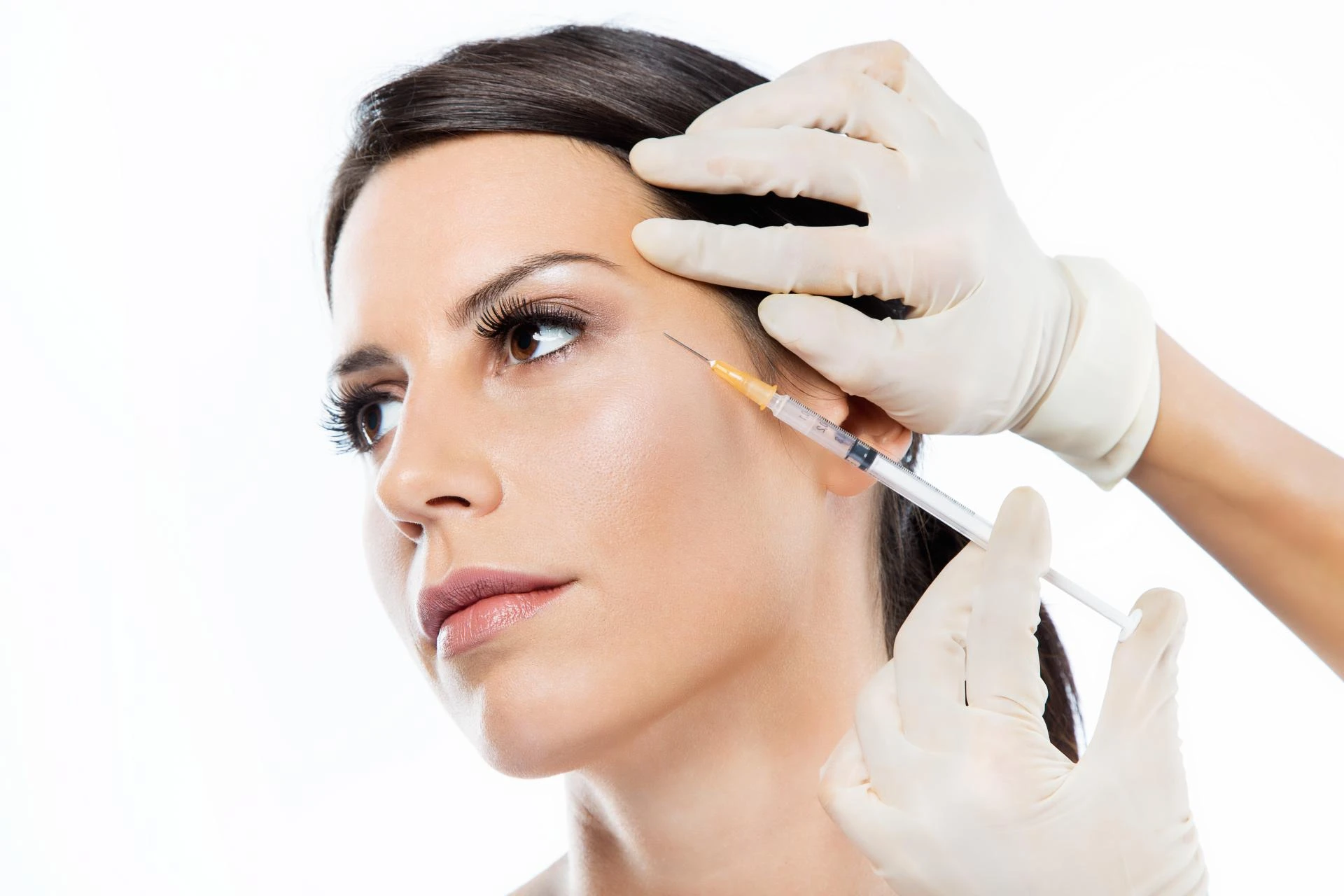

Platelet-rich plasma (PRP) therapy has revolutionized aesthetic medicine, offering natural solutions for skin rejuvenation and hair restoration. With the rising demand for non-surgical cosmetic procedures, professionals are eager to incorporate PRP for aesthetics into their practices. However, success in PRP treatments relies on proper training. Without the right knowledge and hands-on experience, practitioners may struggle to achieve consistent results, potentially leading to patient dissatisfaction or procedural complications.
The importance of PRP hair treatment training and PRP hair restoration training cannot be overstated. These specialized programs teach practitioners how to process PRP correctly, inject it safely, and customize treatments based on individual patient needs. A well-trained professional understands not just how PRP works but also how to optimize results and ensure a high level of patient care.
What is PRP for Aesthetics?
PRP for aesthetics is a regenerative treatment that utilizes the patient’s own blood to promote healing and rejuvenation. The procedure involves drawing a small amount of blood, separating the platelet-rich plasma using a centrifuge, and injecting the concentrated PRP into targeted areas of the face or scalp. These platelets contain growth factors that stimulate collagen production, tissue regeneration, and hair follicle repair.
Because PRP for aesthetics uses the patient’s own blood, there is little risk of allergic reactions or serious side effects. This makes it a safe alternative to synthetic fillers or invasive procedures. However, precision in application is essential, which is why enrolling in PRP hair treatment training or PRP hair restoration training is highly recommended for professionals looking to master the technique.
The Importance of PRP Training
Many practitioners mistakenly assume that PRP therapy is straightforward, but achieving optimal results requires in-depth knowledge and skill. PRP training programs ensure professionals can:
1. Extract and Process PRP Correctly
Obtaining high-quality PRP is crucial for effective results. Training teaches practitioners how to:
- Properly draw blood while minimizing patient discomfort.
- Use centrifugation techniques that maximize platelet concentration.
- Select the right PRP kit or system based on treatment goals.
A poor-quality PRP sample can result in ineffective treatments, which is why understanding these steps is essential.
2. Master Injection Techniques
Administering PRP requires more than just injecting plasma into the skin or scalp. A skilled practitioner must understand:
- The correct depth and angle for injections.
- Which areas to target for the best aesthetic results.
- How to minimize bruising, swelling, and discomfort.
Each patient has unique concerns, and PRP treatments should be personalized accordingly. Proper training ensures practitioners can adjust their approach based on individual needs.
3. Identify Suitable Candidates for PRP Treatments
Not every patient is a good candidate for platelet-rich plasma face treatment or hair restoration. A comprehensive training program covers patient selection, helping professionals determine:
- Which skin or hair conditions respond best to PRP.
- What patient expectations should be set before treatment.
- When alternative treatments may be more appropriate.
By learning to assess patient suitability, practitioners can provide better outcomes and avoid unrealistic expectations.
4. Reduce Risks and Improve Safety
While PRP is generally safe, improper handling or poor injection techniques can lead to complications such as:
- Infection due to non-sterile conditions.
- Uneven results from poorly placed injections.
- Bruising, swelling, or temporary discomfort.
Training provides professionals with the knowledge to prevent and manage these issues, ensuring a smooth and safe treatment experience for patients.
How PRP is Used in Aesthetic Medicine
PRP therapy has a broad range of applications in aesthetics, making it a versatile and valuable treatment.
1. PRP for Skin Rejuvenation
Platelet-rich plasma face treatment is commonly used to:
- Reduce fine lines and wrinkles.
- Improve skin tone and texture.
- Minimize acne scars and hyperpigmentation.
- Promote collagen production for firmer, healthier skin.
PRP is often combined with microneedling for enhanced results, as the micro-injuries created by the procedure help PRP penetrate deeper into the skin.
2. PRP for Hair Restoration
PRP hair restoration training teaches professionals how to use PRP to stimulate hair growth. The procedure is particularly effective for individuals experiencing:
- Thinning hair or early-stage hair loss.
- Weak or damaged hair follicles.
- Pattern baldness (androgenic alopecia).
PRP injections into the scalp help nourish hair follicles, prolong the hair growth cycle, and improve hair thickness over time. However, precise technique and patient selection are critical for achieving noticeable results.
3. PRP for Scar and Stretch Mark Treatment
PRP therapy is also used to treat scars and stretch marks by accelerating skin healing and improving skin elasticity. This application is gaining popularity among patients looking for non-surgical solutions to improve skin appearance.
Why the Demand for PRP Training is Growing
The aesthetic industry is evolving, and PRP therapy is becoming a sought-after treatment in clinics and medical spas worldwide. Patients are increasingly looking for natural, non-surgical options for skin and hair rejuvenation. As a result, professionals who complete PRP hair treatment training and PRP hair restoration training position themselves ahead of competitors.
Medical spas, dermatology clinics, and cosmetic surgery centers actively seek skilled professionals trained in PRP treatments. Adding PRP for aesthetics to a service list not only attracts more clients but also increases revenue opportunities for clinics and practitioners alike.
Choosing the Right PRP Training Program
Not all PRP training programs offer the same level of education. When selecting a course, it’s important to choose one that provides:
- Hands-on training with real patients.
- Detailed instruction on PRP processing and application.
- Expert guidance from experienced medical professionals.
- Certification upon completion.
Where to Get PRP Training?
For those looking to specialize in PRP treatments, Regenerative Medicine Academy offers comprehensive courses covering PRP for aesthetics, PRP hair treatment training, and platelet-rich plasma face treatment.
Their programs are designed to provide in-depth education and hands-on experience, ensuring that practitioners are fully equipped to perform PRP treatments with confidence. Whether you’re a doctor, nurse, or aesthetic professional, this training can help expand your expertise and career opportunities.
Start your journey in regenerative aesthetics today—enroll in Regenerative Medicine Academy and master the art of PRP treatments!






























Sign in to leave a comment.